
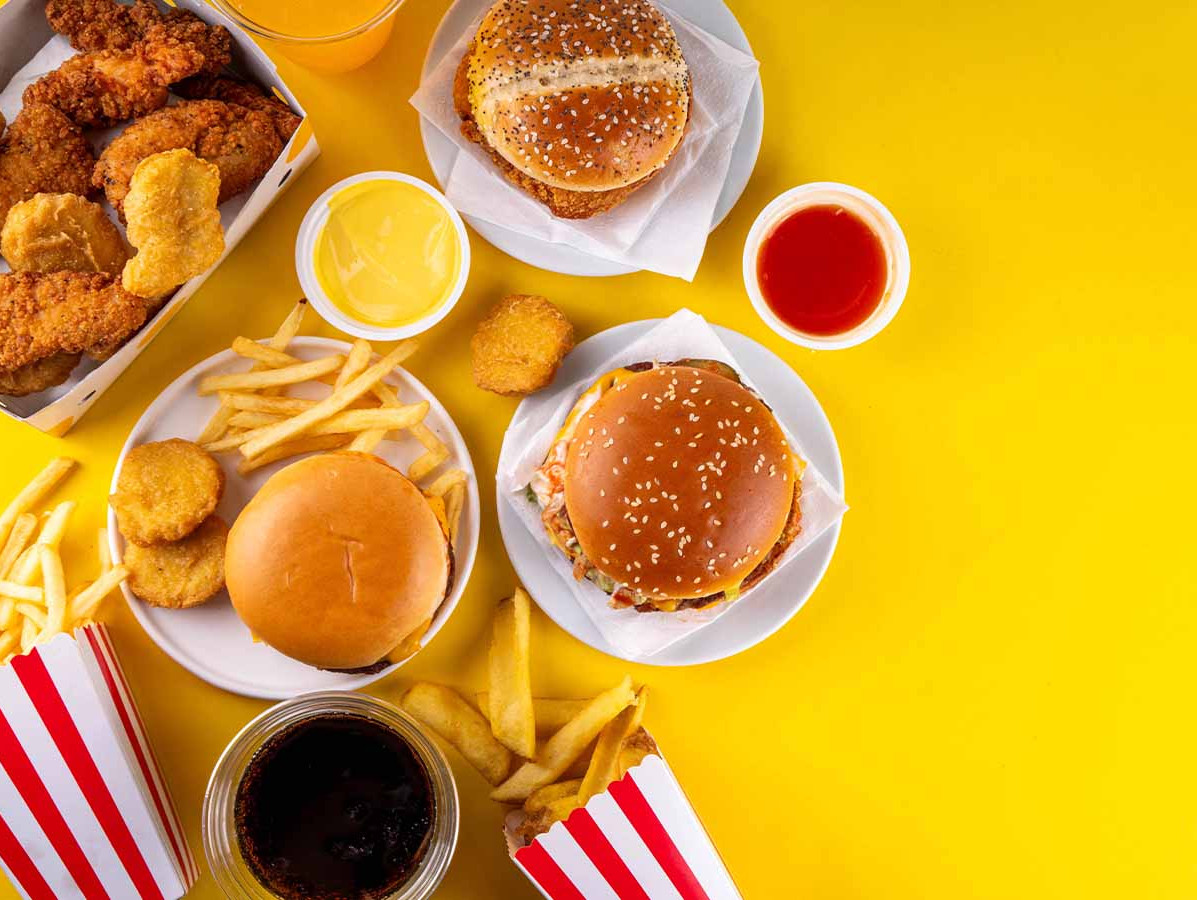
What exactly qualifies as "ultra-processed food"? In the United States, they’re finally trying to draw a clear line. The Department of Agriculture and the FDA have issued a call to the sector: help shape a clear, uniform definition. The reason? The MAHA report, launched in May by a commission chaired by Health Secretary Robert F. Kennedy Jr.
The numbers speak for themselves. More and more Americans are dealing with diet-related conditions such as type 2 diabetes and cardiovascular disease. According to the MAHA commission, these are the leading causes of disability and death in the country. Improving diets is seen as one of the key strategies for change. As the report puts it, “het verbeteren van de voeding is een van de belangrijkste preventieve maatregelen.”
The commission was established by President Trump. In addition to Kennedy Jr., the Agriculture Secretary, cabinet members and senior White House officials also take part. The report focuses on the American food system, where ultra-processed products — often referred to as UPFs — play a notably large role.
But what exactly is a UPF? That’s where things get tricky. There’s no single, agreed-upon definition. The Brazilian Nova system from 2009 is still the most commonly used, but far from universally accepted. Definitions continue to evolve, vary from state to state, and external organisations have also started drafting their own versions.
To bring structure to the confusion, the USDA and FDA are now seeking input from outside the government. A call for comments has been published in the Federal Register, and responses can be submitted until 23 September 2025.
So far, most responses have come from individuals. That’s expected to change. Larger companies, trade associations and health organisations often respond closer to the deadline. For those interested in what's been submitted: the comments remain public until the consultation period ends. After that, they will be removed.
Source: Agroberichten Buitenland
Magazine Voedingsindustrie has been made possible in part by:



© COPYRIGHT 2026 VOEDINGSINDUSTRIE | ALLE RECHTEN VOORBEHOUDEN
Powered by Wallbrink Crossmedia © 2026