
The year 2026 has started with a clear direction in food innovation. New product launches show what consumers worldwide value most. Protein, gut health, and multisensory experiences take center stage. At the same time, the role of private labels is growing, while European consumers are increasingly steering toward “free from.” These developments align with broader movements across the food sector.
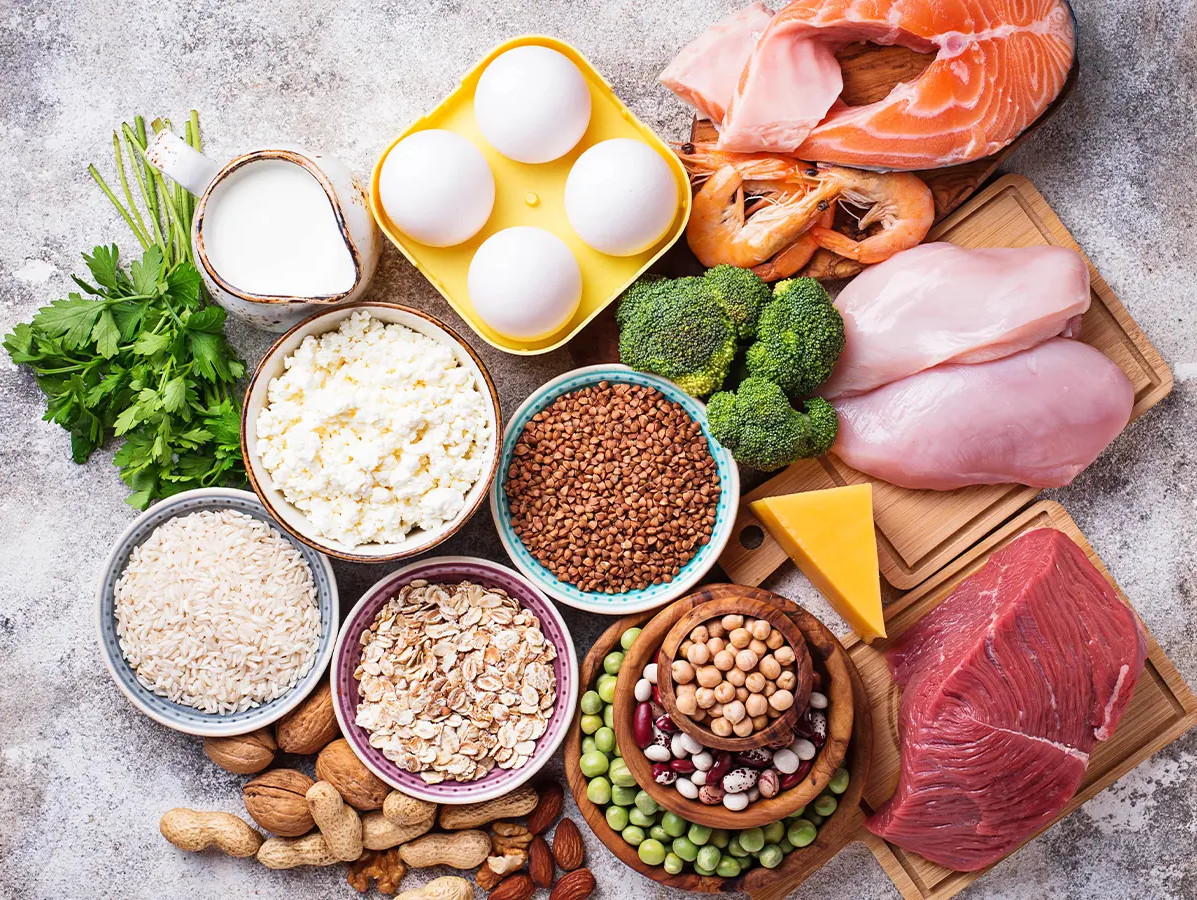
Protein remains one of the most important trends within food and beverage in 2026. Products are increasingly moving beyond traditional protein sources. Soups stand out as a fast-growing category and account for 19% of product launches with protein ingredients or claims. Ahold Delhaize introduced new soups under the AH private label, featuring chicken, chickpeas, and soy protein. These contain 12 to 13 grams of protein per serving. Protein claims are also increasing in sweet cookies and biscuits, including through the use of pea protein. In addition, the number of breakfast cereals and granolas positioned around protein is growing, aimed at consumers who make more conscious breakfast and snacking choices.
Gut health continues to develop as a central theme within nutrition. Globally, three in five consumers recognize the impact of gut health, not only on digestion but also on energy, skin, and immunity. Manufacturers are therefore combining multiple functional claims within a single product. Sports nutrition is the third-largest category featuring gut health claims and is among the fastest growing. New launches are also appearing in children’s products, where fiber-rich grains are used to support the microbiome and satiety.
Price awareness remains an important factor in purchasing decisions. Seven out of ten consumers indicate they are cost-conscious, reinforcing the growth of private labels. Private labels combine value with premium positioning and place strong emphasis on protein and fiber. Ethical and sustainability claims are also playing an increasingly important role. In Europe, the “free from” trend is influencing purchasing behavior as well. As a result, 31% of consumers are reducing gluten, while nearly 30% are consuming less lactose. These products become especially attractive when combined with additional health benefits, such as protein, fiber, and omega 3.
Source: Innova Market Insights
Magazine Voedingsindustrie has been made possible in part by:



© COPYRIGHT 2026 VOEDINGSINDUSTRIE | ALLE RECHTEN VOORBEHOUDEN
Powered by Wallbrink Crossmedia © 2026