
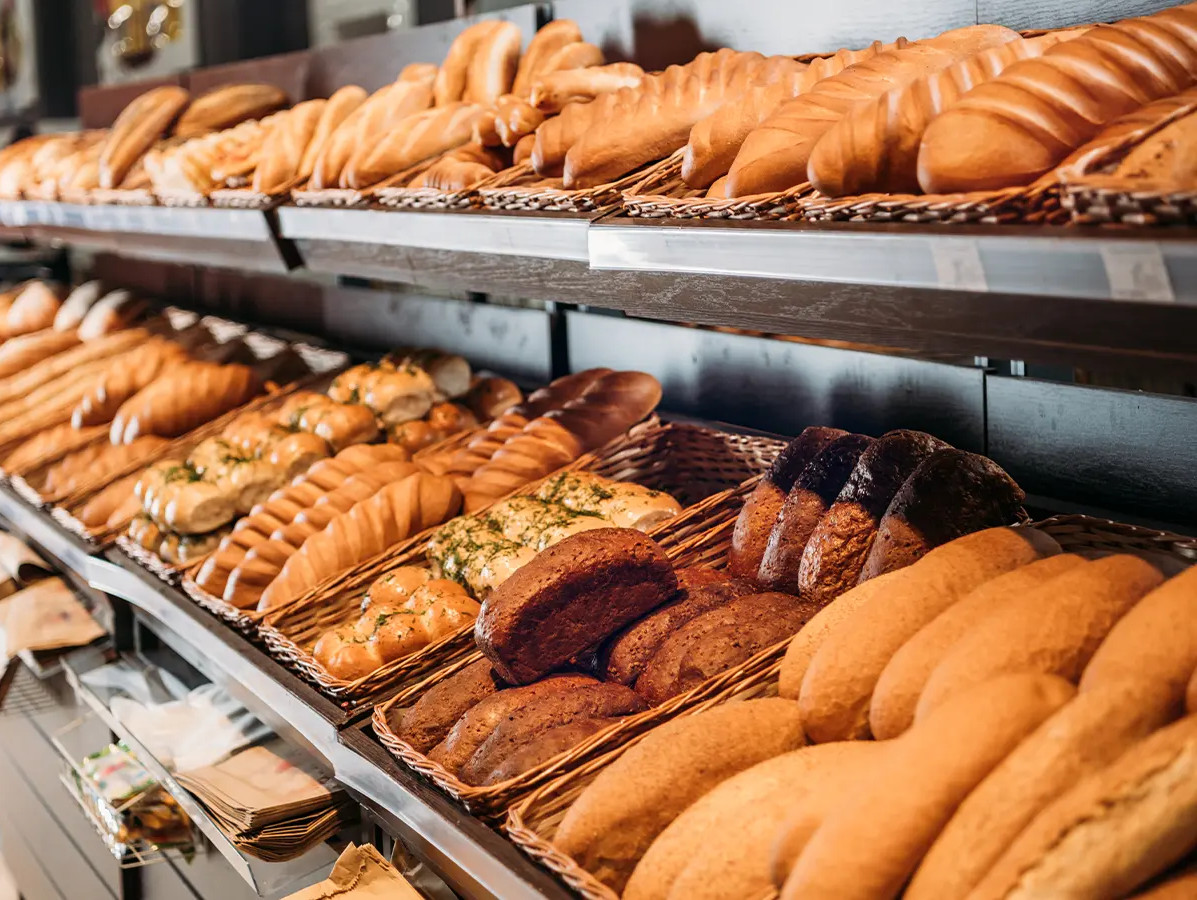
Ultra-processed foods are increasingly at the center of the public health debate. Nuance is rarely part of that conversation. Bread is also frequently cited as an example of a product that would be unhealthy. The Nederlands Bakkerij Centrum (NBC) questions that narrative and points to recent scientific insights.
The debate is fueled by the NOVA classification. This system groups foods based on the degree of processing. It was developed by Brazilian scientist Carlos Monteiro and published in The Lancet. Under this classification, (supermarket) bread is also labeled as “ultra-processed,” because it undergoes multiple processing steps and contains added ingredients.
Many ultra-processed products, such as chips and soft drinks, have a high energy density and are easy to consume. This increases the likelihood of overconsumption. Research shows that a high intake of such products is associated with an increased risk of, among other things, diabetes, cardiovascular disease, and cancer. According to NBC, however, this relationship does not apply to all processed foods.
Nutrition scientist Linda van Zonsbeek refers to research by the World Health Organization. This study, published in 2023 in The Lancet Regional Health – Europe, analyzed data from more than 266,000 Europeans. The researchers found that high consumption of ultra-processed foods is associated with a higher risk of multiple chronic diseases. At the same time, the risk varied significantly between product groups.
“Ultra-processed animal products, sugar-sweetened beverages, and sauces in particular show an increased risk,” Van Zonsbeek states. “Bread and breakfast cereals, by contrast, are associated with a lower risk of developing disease.” This effect is largely attributed to their fiber content.
According to NBC, this shows that “ultra-processed” is not a health label. Bread, and whole-grain bread in particular, provides fiber, vitamins, and minerals. The Gezondheidsraad recommends consuming at least 90 grams of whole-grain products daily, which is equivalent to about three slices of whole-grain bread.
Source: NBC
Magazine Voedingsindustrie has been made possible in part by:



© COPYRIGHT 2026 VOEDINGSINDUSTRIE | ALLE RECHTEN VOORBEHOUDEN
Powered by Wallbrink Crossmedia © 2026