
An international standard for microbial cultures and probiotics is on the way. Within ISO, work is underway on ISO 27205 — a standard designed to provide global clarity on the composition, safety and application of live micro-organisms in food and feed. It is a significant topic for anyone working with bacteria, yeasts or molds, from dairy to animal nutrition.
The new standard concerns micro-organisms that are intentionally added to products. This includes bacteria, yeasts and molds used, for example, as probiotics. ISO 27205 sets out the characteristics and quality assurance requirements for these micro-organisms.
It is what’s known as an identity standard: it defines the criteria that preparations of microbial cultures must meet to be legally placed on the market. In doing so, ISO aims not only to provide clarity for producers and regulators, but also to strengthen international trade and consumer safety.
The Netherlands is taking part in the process. The national committee ‘Microbiology of the food chain’ represents the country in the development of ISO 27205 and invites stakeholders to contribute.
Companies from the food, feed and biotechnology sectors can join the committee and help shape the content of the standard.
Those wishing to comment on the current proposal may do so until 8 December 2025. The draft can be requested via [email protected].
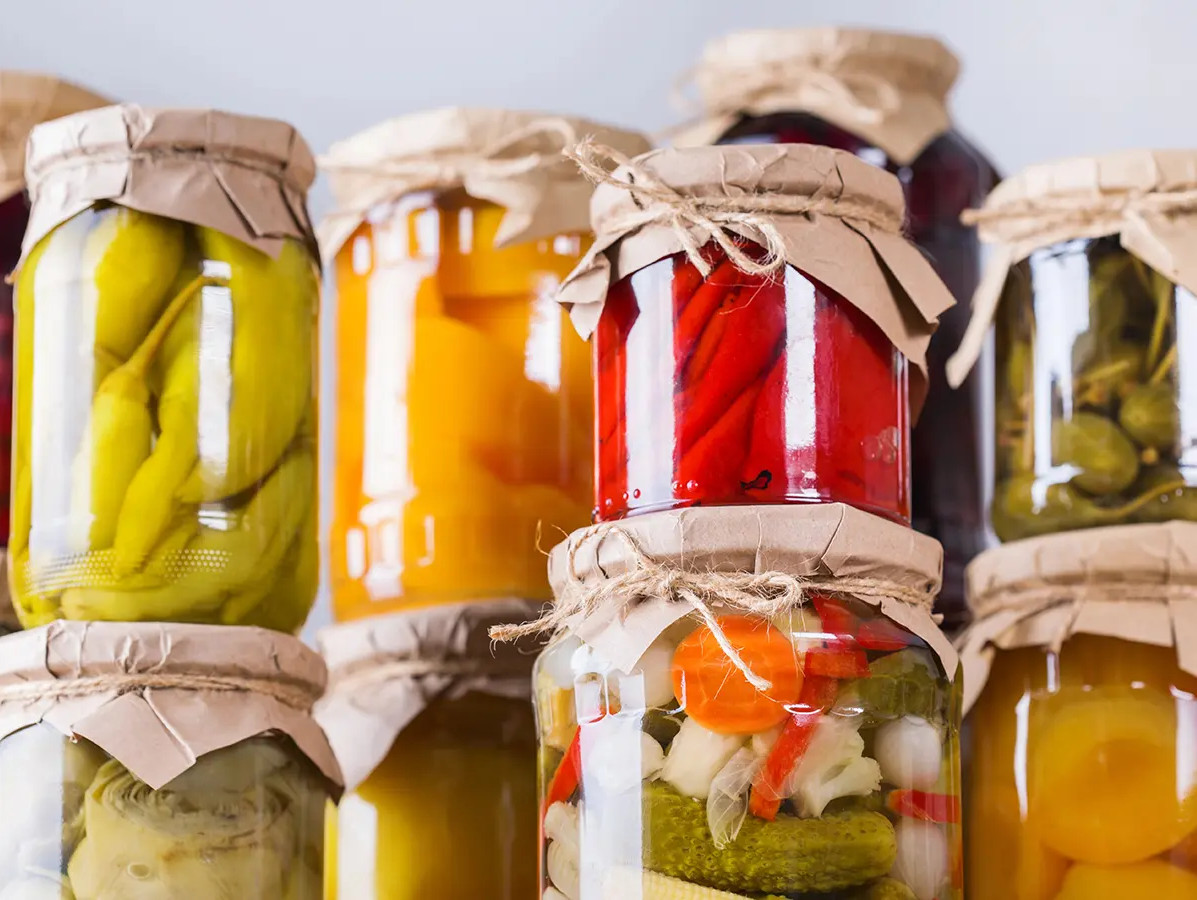
The standard covers a wide range of products, from dairy to fermented vegetables and beverages. A well-known example is Saccharomyces cerevisiae, the yeast used in the production of bread, wine and beer, which also plays a role in chocolate.
With ISO 27205, ISO aims to establish a uniform basis for the quality assurance of microbial cultures that are intentionally added to food and feed.
Source: NEN
Magazine Voedingsindustrie has been made possible in part by:



© COPYRIGHT 2026 VOEDINGSINDUSTRIE | ALLE RECHTEN VOORBEHOUDEN
Powered by Wallbrink Crossmedia © 2026