
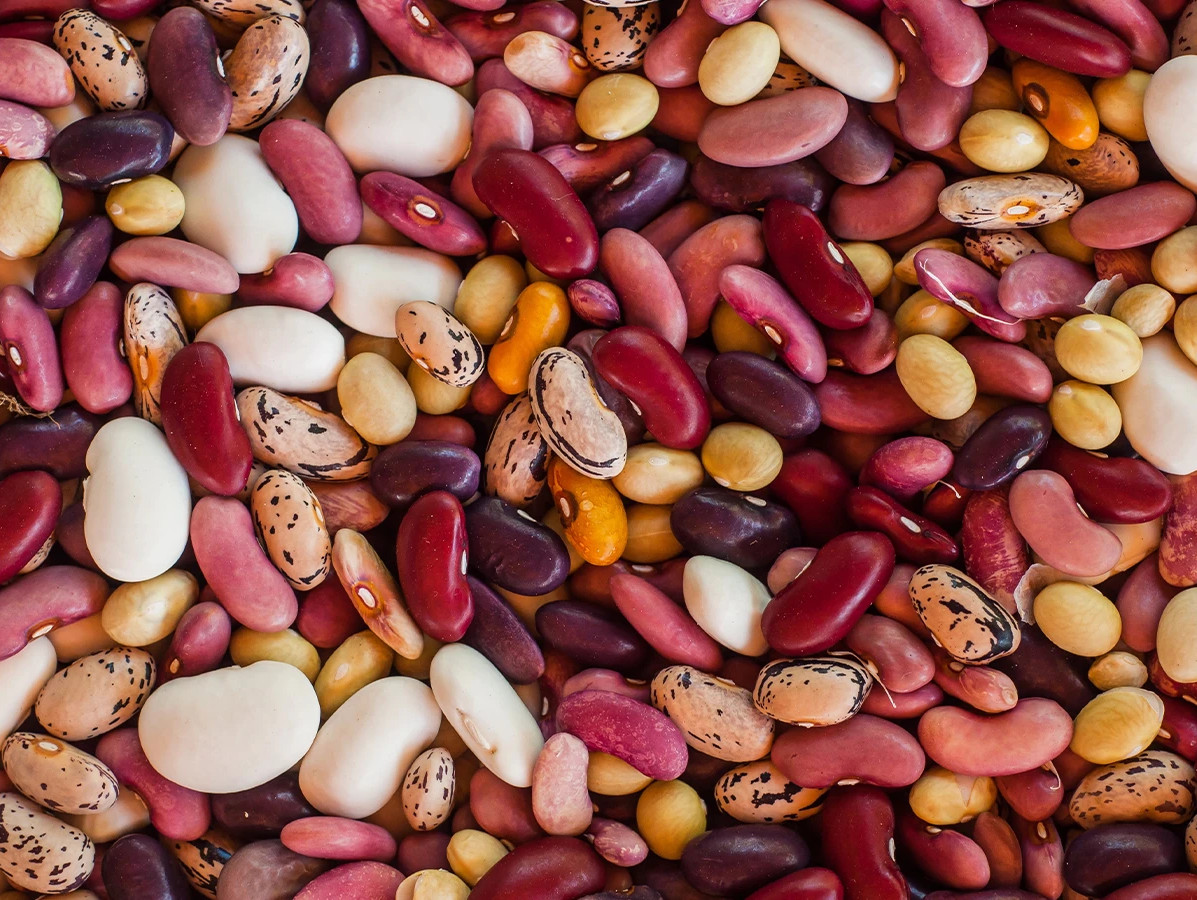
Legumes are turning up in our shopping carts more often. Not only because the range is growing, but also because manufacturers are using them cleverly in snacks, meals, and plant-based alternatives. Still, one thing has not changed: most pulses still come from abroad. And that feels like a mismatch, especially now that demand is rising.
Since 2022, supermarkets are estimated to sell 10–15% more legumes. This is mainly driven by meal components and varieties that were not traditionally on Dutch tables, such as chickpeas and edamame. Brands like HAK and Boon are clearly pushing the category forward. They have introduced many new convenience products, which significantly lowers the threshold for consumers. Legumes are also showing up in other aisles. Snacks, ready-to-eat meals, plant-based substitutes, and hybrid meat and dairy products all include them. Fava beans and peas are used a lot for this. Growth in meat substitutes is a bit slower, mainly because that assortment has shrunk and is shifting more toward private labels. In snacks and meals, however, growth continues.
In four years, around thirty to forty recognizable legume products were added in service supermarkets. That is a big leap, about 30% more. Supermarkets keep adjusting their assortments, so the category size sometimes peaks and sometimes drops. Meanwhile, dependence on imports remains high. The Netherlands grows about seven thousand tons of legumes each year. That number is small compared with countries like Canada and Australia, where millions of tons are produced. Even within Europe, the Netherlands is behind. Part of domestic cultivation, such as alfalfa, also goes to animal feed.
The global market is shifting. Canada and Australia are still major players, but Russia and Turkey are showing up more often as important exporters. Trade flows are changing because of tariffs and geopolitical pressure. And regions with structural shortages, such as India and the EU, are trying to reduce dependence. In the Netherlands there is plenty of enthusiasm for more legume crops, but the cost price of exotic pulses remains a real barrier. Imported edamame or chickpeas are simply cheaper due to lower land and labor costs. If Dutch cultivation is to grow, the chain needs tighter cooperation. Supermarkets can help by focusing less on the lowest price, offering multi-year purchase guarantees, and sharing risks more fairly. Growers will need to be more transparent about their costs. That it can work is already clear: Dutch edamame is now in Jumbo’s freezer aisle.
Source: Rabobank
Magazine Voedingsindustrie has been made possible in part by:



© COPYRIGHT 2026 VOEDINGSINDUSTRIE | ALLE RECHTEN VOORBEHOUDEN
Powered by Wallbrink Crossmedia © 2026