
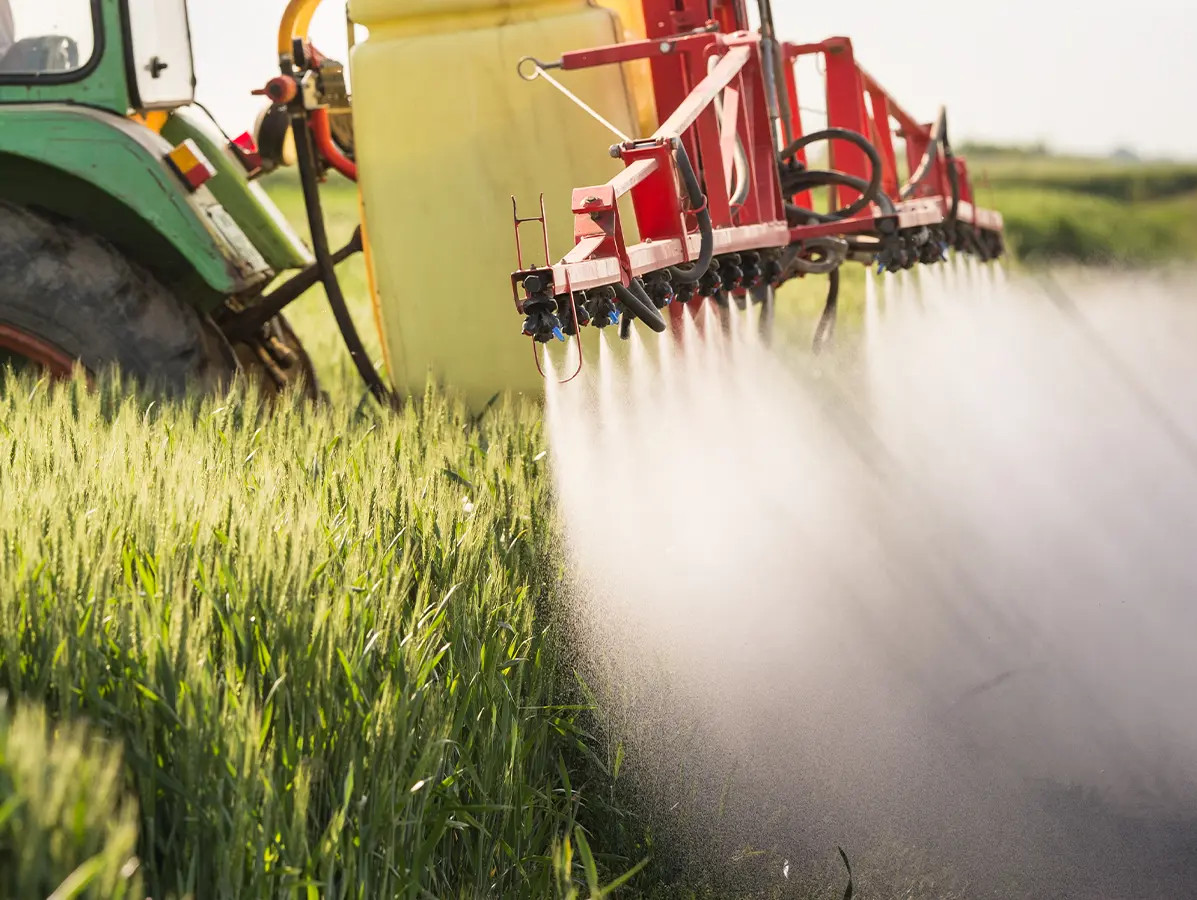
The European Commission is taking another step toward tighter rules for products entering the EU. And not a minor one, as the launch of a broad impact assessment aims to bring EU production standards for the most hazardous pesticides more in line with the requirements for imported goods. This follows the earlier commitment that “the most hazardous pesticides that are banned in the EU for health and environmental reasons should not return to the EU through imported products.”
With the impact assessment, the Commission wants clarity on what closer alignment would actually entail. For the economy, for the environment, and for society as a whole. This includes potential consequences for trade flows and the competitiveness of producers within the EU. The Commission is also examining the possible effects on consumers.
At the same time, it stresses that existing EU legislation already protects consumers. All food placed on the market must meet high health and safety standards. Still, the Commission aims to create a more level playing field between European producers and suppliers from outside the EU.
The impact assessment needs to show whether, and where, the current legal framework should be adjusted. Not too heavy-handed and not too light, but proportional — and aligned with the goal of “greater reciprocity of standards.” Depending on the findings, potential policy measures may follow.
The associated study is being conducted under the leadership of the Joint Research Centre. The research must be backed by empirical evidence and allow room for input from stakeholders. Preliminary results are expected in the summer of 2026. After that, the Commission will work out the next steps, including a possible legislative proposal.
Source: Europees Parlement
Magazine Voedingsindustrie has been made possible in part by:



© COPYRIGHT 2026 VOEDINGSINDUSTRIE | ALLE RECHTEN VOORBEHOUDEN
Powered by Wallbrink Crossmedia © 2026