The Dutch livestock population is expected to shrink by 12 to 15 percent in the coming years. Fewer cows, fewer pigs – and therefore less milk and meat. This puts the entire chain under pressure. Slaughterhouses are hit the hardest, while processors and traders have slightly more room to manoeuvre. At the same time, this shift brings opportunities: sustainability and product innovation are moving up the agenda.
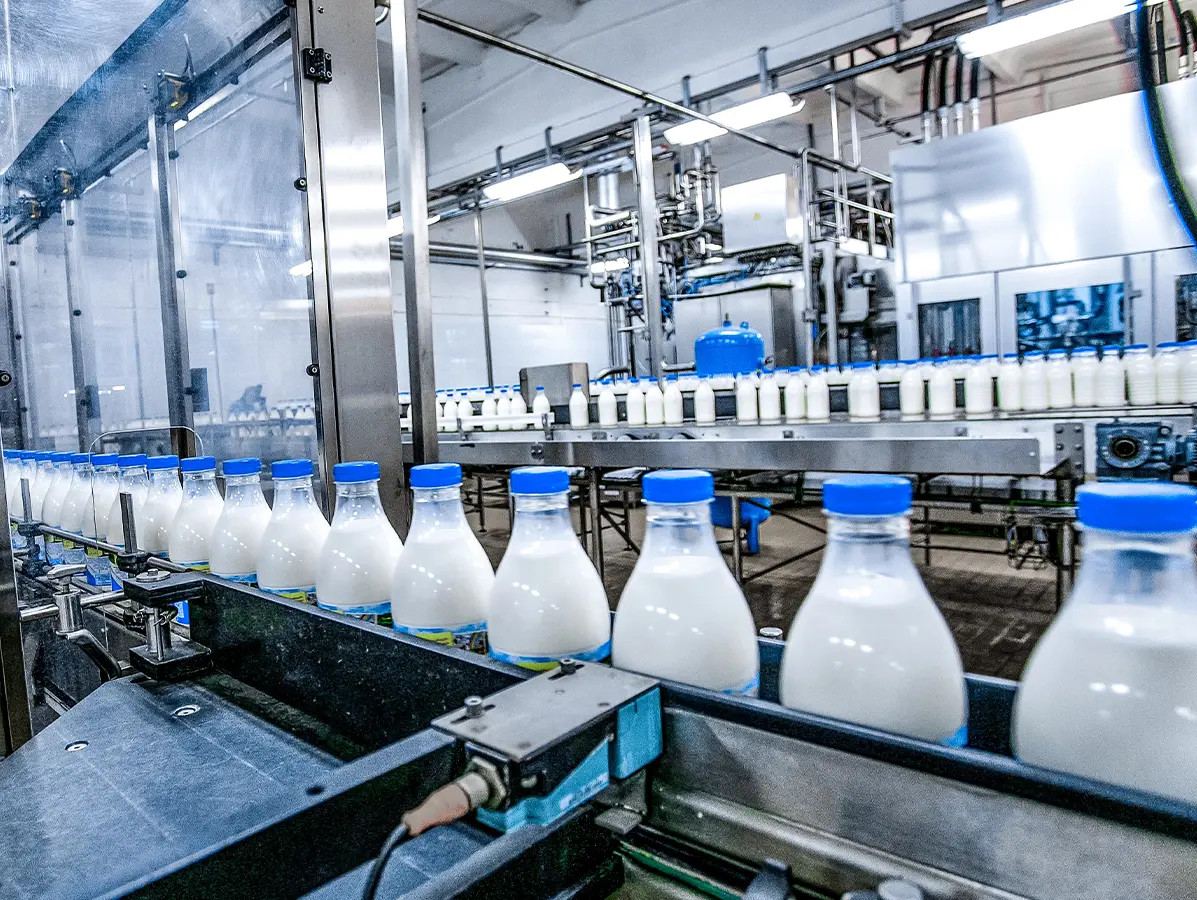
Milk is becoming scarcer, and dairy processors are feeling it. Their large factories need to run at full capacity to stay profitable, but milk supplies are shrinking. ABN AMRO expects three to four dairy plants to close by 2030. Companies are trying to secure farmers with higher premiums, for example for pasture grazing or biodiversity efforts. Farmers are switching processors more quickly to get a better price. As a result, companies are also looking at milk from Belgium and Germany to keep production lines running.
In the meat sector, supply is falling by 12 to 15 percent, especially for pigs, which are concentrated in the south of the country. Slaughterhouses, with their expensive and highly automated lines, cannot simply sit idle – that would mean losses. Overcapacity is looming, and further cuts to slaughter capacity seem inevitable. Processors and traders can react more flexibly by importing meat, adjusting products, or targeting other markets.
From volume to value – that is ABN AMRO’s advice. Turning milk into specialty cheeses or sports nutrition. Producing premium meat for the high-end segment. Developing concepts that are demonstrably more sustainable and command a higher price. Hybrid products (part animal, part plant-based) are also gaining ground, particularly among younger consumers.
Source: ABN AMRO
Magazine Voedingsindustrie has been made possible in part by:


© COPYRIGHT 2026 VOEDINGSINDUSTRIE | ALLE RECHTEN VOORBEHOUDEN
Powered by Wallbrink Crossmedia © 2026