
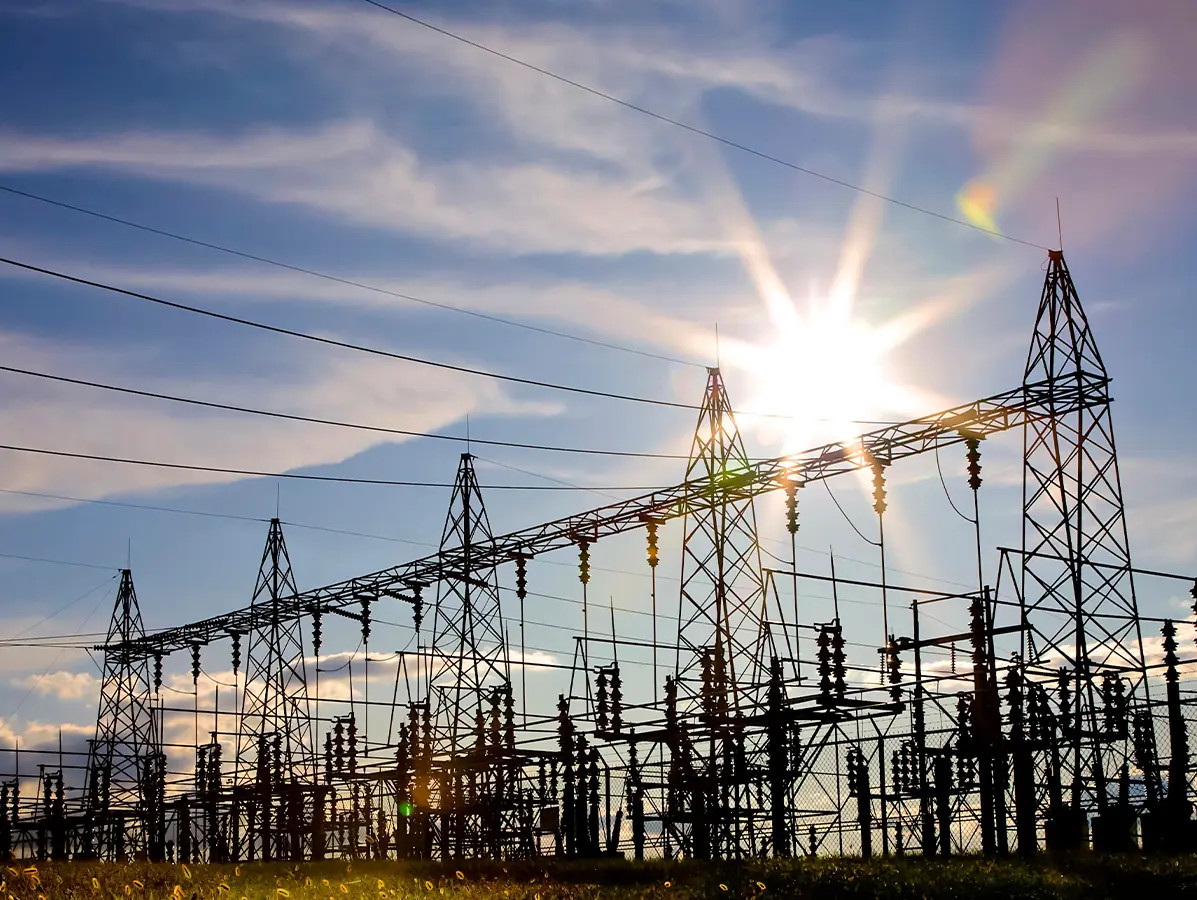
The queue for an electricity connection has been a persistent headache for years. Food companies sometimes wait a long time for a new or upgraded connection. As a result, expansion plans and sustainability projects are delayed. The government now aims to significantly reduce that queue. New agreements are intended to give companies clarity more quickly.
Large parts of the Netherlands are facing grid congestion. Entrepreneurs applying for a new or heavier connection often have to wait a long time. This also affects companies in the food industry that want to start, expand, or make their operations more sustainable. Plans cannot move forward without a connection. In some regions, even new homes cannot be connected. The Ministry of Climate and Green Growth is working with grid operators and companies on eight measures to shorten the queue. Developments may vary by region.
The core of the approach is to shift electricity consumption to off-peak hours. Companies that can adjust their usage help free up capacity on the grid. As a result, a substantial share of businesses currently on the waiting list may still obtain a connection.
Grid operators will receive more financial room to make agreements on flexible consumption. In addition, at least four regional tenders will be launched this year. Entrepreneurs can submit bids to free up capacity on the electricity grid. This may include energy producers or factories. Companies that can adjust their electricity consumption, for example by using a battery, are also eligible. Businesses requiring less financial compensation to adapt their usage are more likely to be selected.
A ‘Top 50 approach’ will also be introduced. The ministry and grid operators will make agreements with the fifty largest electricity users that are able to relieve pressure on the grid. This will create additional capacity.
In addition, the remaining reserve capacity for exceptional situations, such as very cold days, will be reviewed. Agreements will be made with companies to reduce electricity consumption at those times. This is intended to prevent overloading the grid.
Source: RVO
Magazine Voedingsindustrie has been made possible in part by:



© COPYRIGHT 2026 VOEDINGSINDUSTRIE | ALLE RECHTEN VOORBEHOUDEN
Powered by Wallbrink Crossmedia © 2026