
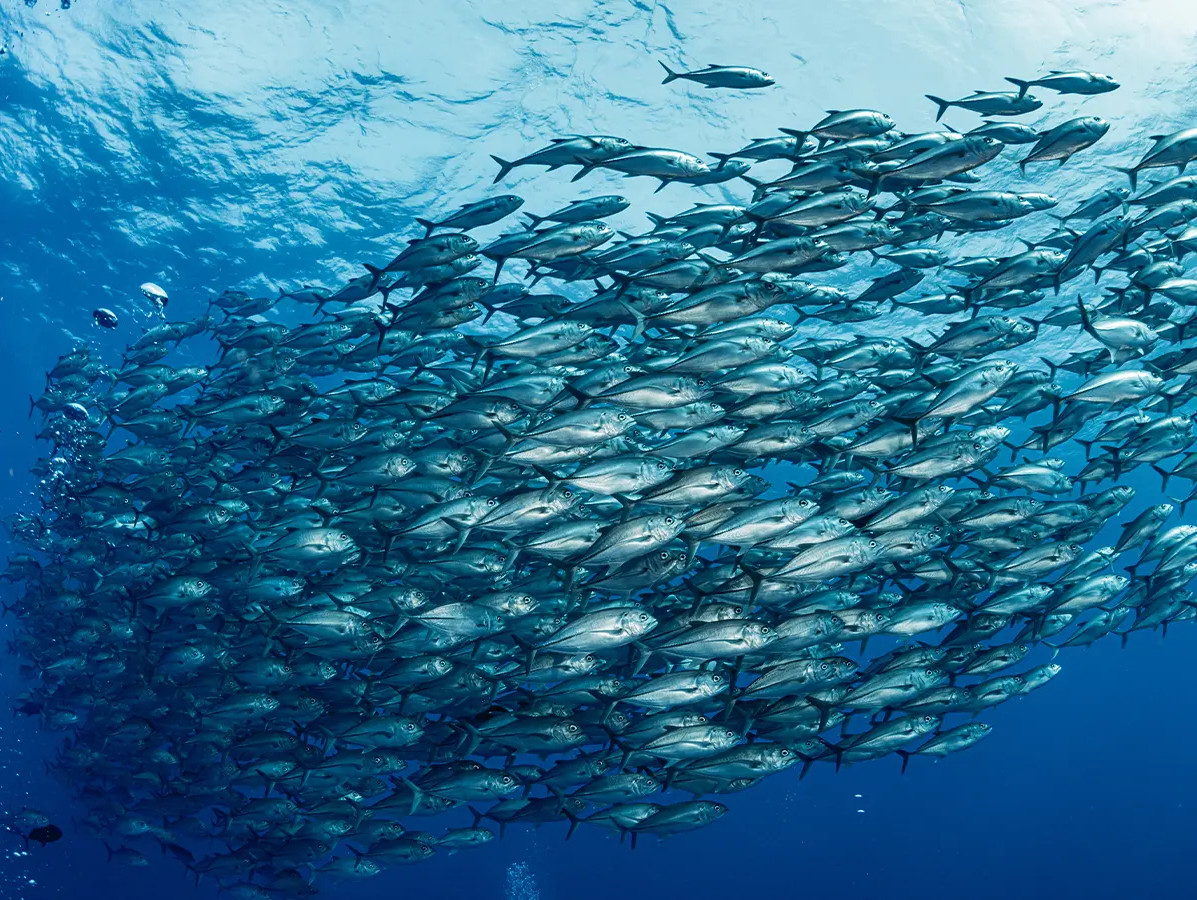
Seafood is gaining a stronger position in the discussion on sustainable food. New research by Wageningen University & Research (WUR) and the RIVM shows that many fish species have a relatively low climate impact. At the same time, they provide nutrients that are hardly found in other products. Still, only 30% of Dutch consumers meet the recommended weekly fish intake.
Fish, shellfish, and crustaceans contain unique nutrients such as omega-3 fatty acids (EPA and DHA), iodine, and selenium. These are less common in other foods. The Voedingscentrum recommends eating fish once a week, preferably oily fish such as herring or salmon. The Gezondheidsraad advises in its 2025 guidelines to consume 100 grams of sustainable fish per week. Despite these recommendations, consumption remains low.
The study compares the climate impact of seafood with other protein sources. The Dutch fisheries sector accounts for approximately 0.1% of national greenhouse gas emissions. At product level, clear differences emerge. Pelagic species such as herring and mackerel perform similarly to plant-based proteins like nuts and legumes. Mussels and oysters have a lower impact than animal proteins such as chicken and pork. Sole and plaice rank higher, but still remain below the impact of beef.
The study points to opportunities for supermarkets, caterers, and foodservice companies. Seafood can be positioned more prominently on shelves and menus. Applications such as school lunches with fish and increased nutrition education are also mentioned.
“This research gives us a solid basis to start a conversation that has been postponed for too long: seafood should be a logical part of a more sustainable diet - for your health as well as for the climate. The sector is ready to take that step, and we invite policymakers and the entire food chain to move along with us.” — Lisa Koopman, Nederlands Visbureau.
Source: SeaNext
Magazine Voedingsindustrie has been made possible in part by:



© COPYRIGHT 2026 VOEDINGSINDUSTRIE | ALLE RECHTEN VOORBEHOUDEN
Powered by Wallbrink Crossmedia © 2026