
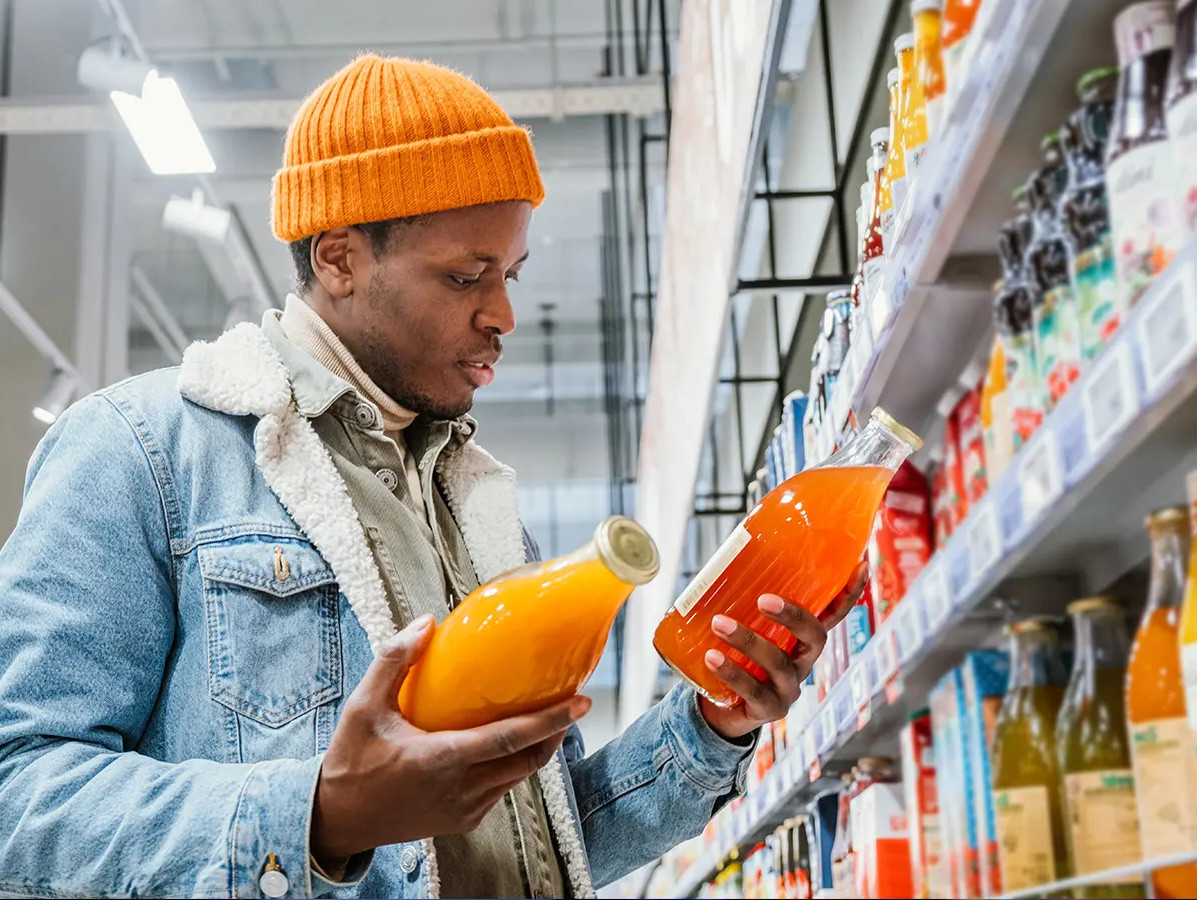
The debate on the consumption tax for pure fruit and vegetable juices has resurfaced. Producers have been struggling with the rules for quite some time, and that became clear during the discussion of the 2026 Tax Plan. Several parties want the cabinet to clarify whether artisanal juices should still be taxed in the same way as soft drinks.
Since January 1, 2024, a single rate applies to both soft drinks and pure juices: 26 cents per liter. That increase, from 9 to 26 cents, remains a sticking point. It is especially challenging because the tax also affects small producers, something that has been “a thorn in the side” from the start.
They raised the issue repeatedly in The Hague. Met with Members of Parliament. And kept bringing the same message. “Dat voor ambachtelijke fruitsappen dezelfde hoge verbruiksbelasting geldt als voor frisdranken is niet uit te leggen. Zeker niet als je bedenkt hoe gezond pure sappen zijn,” said Albert Schulp of Schulp Vruchtensappen earlier.
During the handling of the 2026 Tax Plan, parties such as VVD, CDA, BBB, SGP and ChristenUnie revisited the issue. They find it odd that juices and soft drinks are placed under the same tax category and question whether that is still defensible. Schulp pointed to research: “Zeker omdat onderzoek bevestigt dat de suikers in pure fruitsappen en frisdank totaal verschillend zijn.”
State Secretary Eugène Heijnen of Finance acknowledged that the current situation lacks clarity for producers. He sees a differentiated tax as a possible solution. In such a system, only drinks with added sugars would be taxed, leaving pure juices out.
The cabinet is now developing the requested scenarios and will send them to Parliament in February. After that, the next step will be the Spring Budget discussions. If a decision is made at that point, a revised tax arrangement could take effect on January 1, 2027. An attempt by BBB, SGP and JA21 to secure an exemption for pure juices ahead of time did not gain a majority.
Source: NFO Fruit
Magazine Voedingsindustrie has been made possible in part by:



© COPYRIGHT 2026 VOEDINGSINDUSTRIE | ALLE RECHTEN VOORBEHOUDEN
Powered by Wallbrink Crossmedia © 2026