
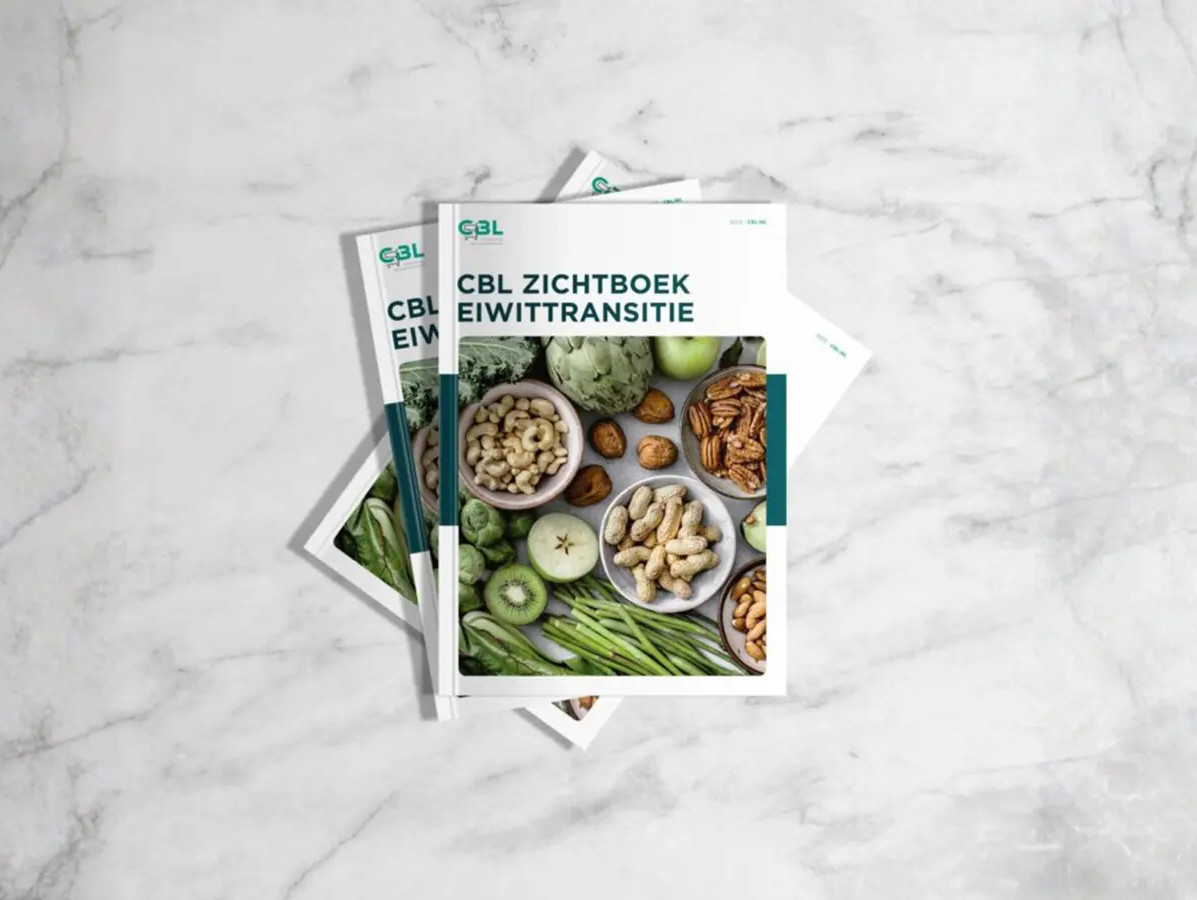
In Dutch supermarkets, the protein transition is increasingly taking concrete shape. This is shown by the Centraal Bureau Levensmiddelenhandel (CBL) in an updated edition of the Zichtboek Eiwittransitie, which was recently presented to the House of Representatives.
In an accompanying letter, the CBL makes it clear that supermarkets are actively working on the shift toward more plant-based proteins. At the same time, a clear message is conveyed: this transition can only succeed if government, industry, and societal organizations move forward together.
The Zichtboek provides an overview of initiatives within the supermarket sector. These include a broader range of plant-based products, adjustments to in-store shelving, and fewer advertisements for meat products. Lower prices for plant-based alternatives, targeted consumer communication, and collaboration with suppliers and brands are also highlighted.
Through these measures, the sector is giving substance to the national ambition of reaching a 50 percent plant-based and 50 percent animal-based protein ratio by 2030. Several supermarkets are going further and have set more ambitious sales targets.
According to Latoya Balogun, Manager Sustainable Supply Chains and Food Products at the CBL, the urgency is clear. “The protein transition is an important step toward a healthier and more sustainable dietary pattern,” she says. “The production of animal-based proteins requires, on average, more land, water, and energy than the production of plant-based protein sources and is associated with higher greenhouse gas emissions.” In addition, a more plant-based diet aligns better with current dietary guidelines. Animal welfare also plays a role for many consumers when reducing their intake of animal products.
Despite the steps being taken, the protein transition remains challenging. Changes in consumer behavior develop slowly and are complex. Supermarkets are addressing this within their own operations, while also actively seeking collaboration across the supply chain.
The CBL therefore maintains regular contact with organizations such as Green Protein Alliance, Transitiecoalitie Voedsel, WNF, ProVeg, and Questionmark. By sharing knowledge and working together, the sector aims to communicate the importance of the protein transition more broadly and effectively.
In addition, the supermarket sector is calling on the government for support. The CBL advocates investment in public campaigns and education on the benefits of plant-based eating. Financial incentives that make sustainable and plant-based choices more attractive to consumers are also mentioned. By making plant-based options clearer, more affordable, and more accessible, adjusting eating patterns becomes easier.
Source: CBL
Magazine Voedingsindustrie has been made possible in part by:



© COPYRIGHT 2026 VOEDINGSINDUSTRIE | ALLE RECHTEN VOORBEHOUDEN
Powered by Wallbrink Crossmedia © 2026