
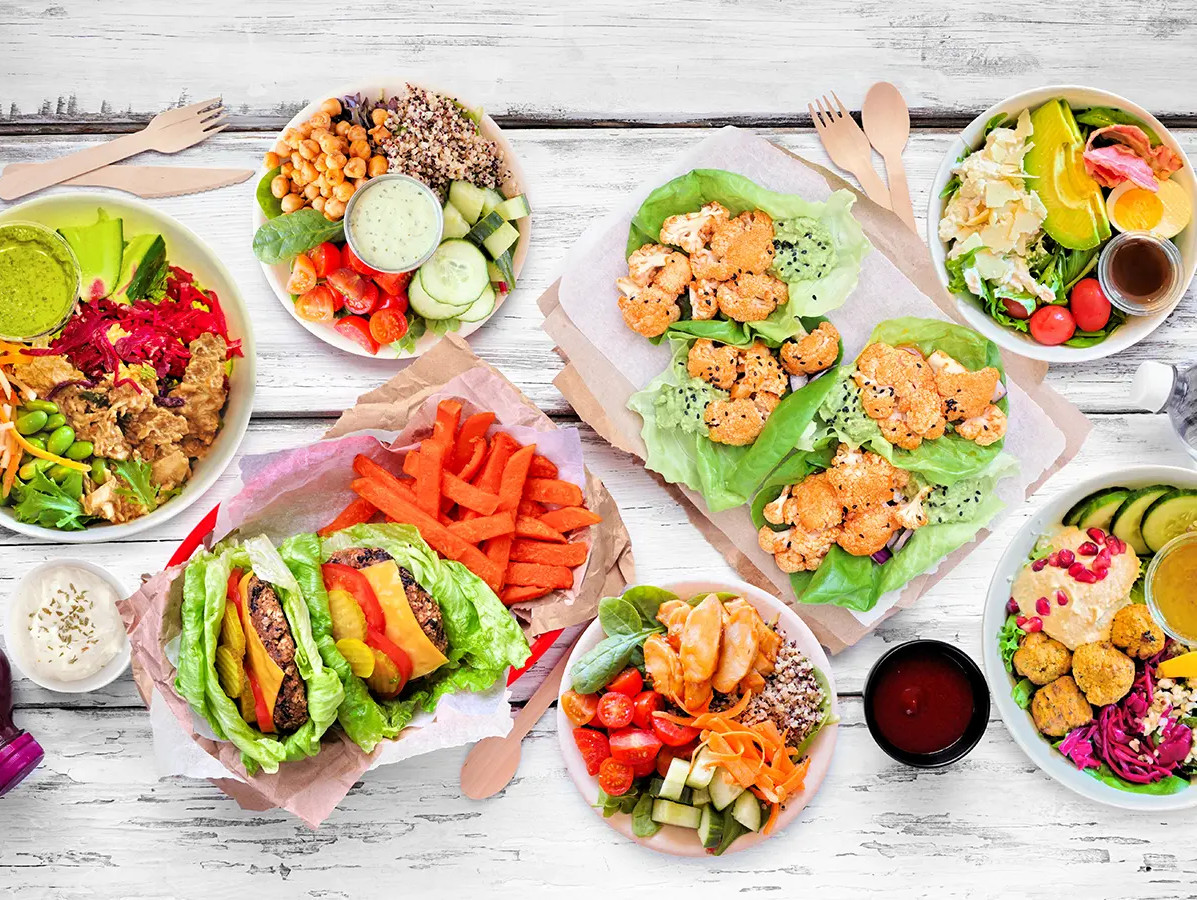
As animal proteins become more expensive and price developments less predictable, attention is shifting to another question: how do you develop food products that offer better quality while remaining affordable and scalable? Fermentation, hybrid formulations and high-quality plant-based alternatives all offer opportunities. Achieving this requires smarter product development.
“Many people think the protein transition is stagnating. That is not the case. The transition is mainly changing shape; the market is shifting from low-cost substitution to smart formulation.” That is the view of Sina Salim, protein transition consultant. Together with Gilbert Verschelling, CTO of The Protein Brewery, Edwin Bark, Senior Vice President at Redefine Meat, and Tessa Rijn, founder and CEO of hybrid snack producer SNX, he shares his views on trends and developments in the protein transition.
Producers and innovators involved in the protein transition are shifting their focus from consumer products, whether under their own brands or otherwise, towards the ingredients market. Large food companies, for example, are increasingly investing in fermentation technology because it offers a much more stable supply of raw materials than animal proteins. Sina: “The fact that FrieslandCampina is investing tens of millions in fermentation platforms says a great deal. They recognise that proteins from fermentation can be produced far more consistently. You are no longer dependent on avian influenza, seasons or strikes. Sugar is available worldwide, and a fermenter produces the same quality every day.”

Gilbert Verschelling with the ingredient Fermotein
Price parity – in other words, charging the same selling price for exactly the same product across all platforms and sales channels – is getting closer. Gilbert is noticing this in conversations with customers. “Whey protein, for example, is extremely expensive at the moment. That suddenly makes the discussion about price parity with alternatives much easier.” The Protein Brewery produces Fermotein, a fungal protein containing around fifty percent protein, supplemented with fibre, vitamins and bioactive compounds. “We deliberately do not produce an isolated protein. As soon as you want to produce a pure protein isolate, the processes become much more complex and expensive. In addition, you then have to recover all your costs from only half of your product volume. We use the entire biomass.”
This makes production cheaper and easier to scale. “Our fermentation process also takes place under conditions in which unwanted microorganisms can hardly grow. As a result, we do not need an extremely sterile facility. That makes a huge difference to investment costs.” The Protein Brewery has just obtained Novel Food status for its Fermotein ingredient. As part of that application, the company had to specify particular applications. The scale-up sees significant opportunities particularly in active nutrition. “There is room for high-quality ingredients in protein bars, meal replacements and protein drinks,” Gilbert explains. “The high price of whey protein certainly works in our favour there.”
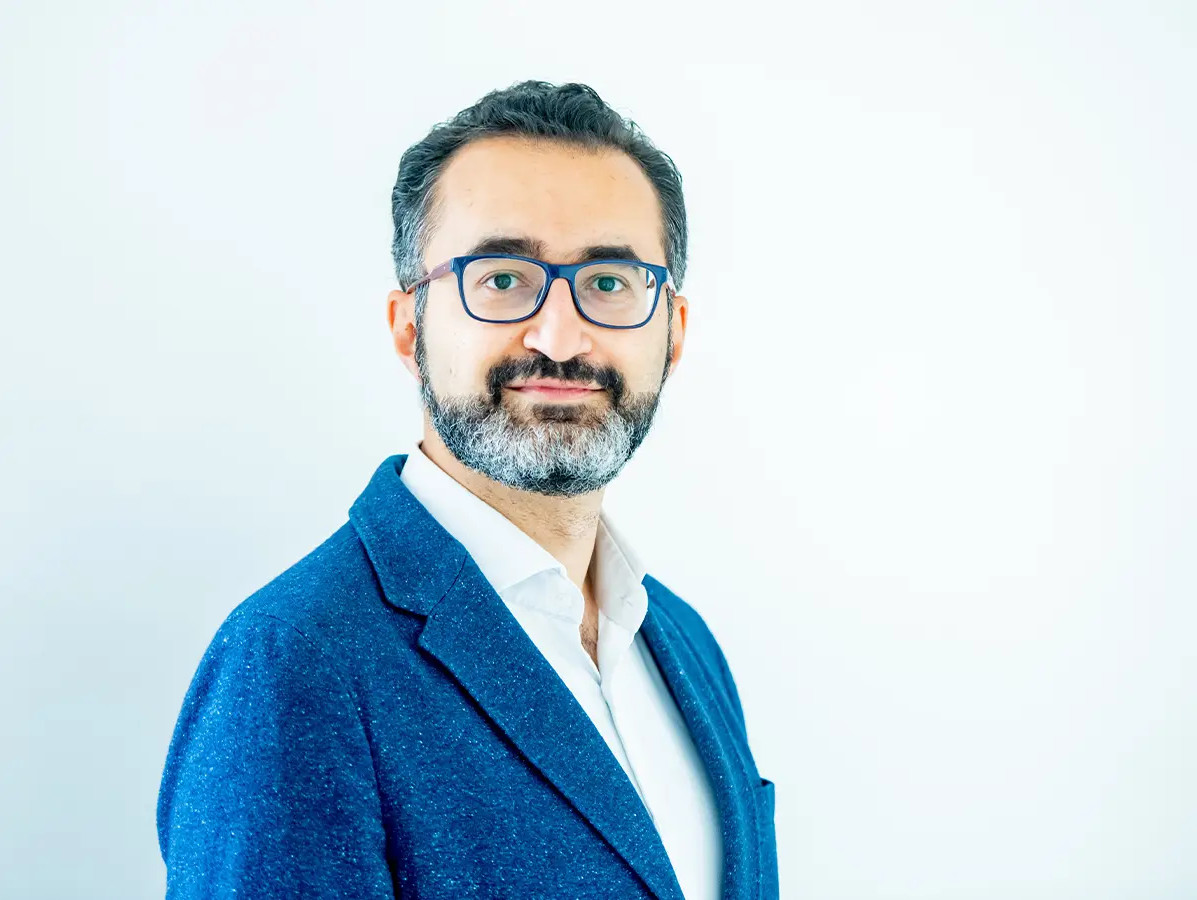
Sina Salim
Using alternative ingredients requires a thorough product development process to achieve a high-quality end product. According to Sina, companies still too often search for a single ingredient capable of replacing all the functionalities of egg or milk. “That is actually a missed opportunity. No single ingredient is a miracle solution.” Applications such as bakery products, sauces or dairy products require specific functional properties, including emulsification, foaming and gelling. Sina: “There should be many more companies operating between ingredient suppliers and food manufacturers. They can help ensure ingredients are used in the best possible way. That would greatly accelerate the introduction of high-quality products.”
Gilbert recognises the same need. “We are not just an ingredient supplier. We actively work with product developers, although we do not have all the expertise required for product development in-house. As a producer, you need to understand very well how an ingredient behaves in the production process. This often allows a customer to retain existing processes while still developing a better product.”
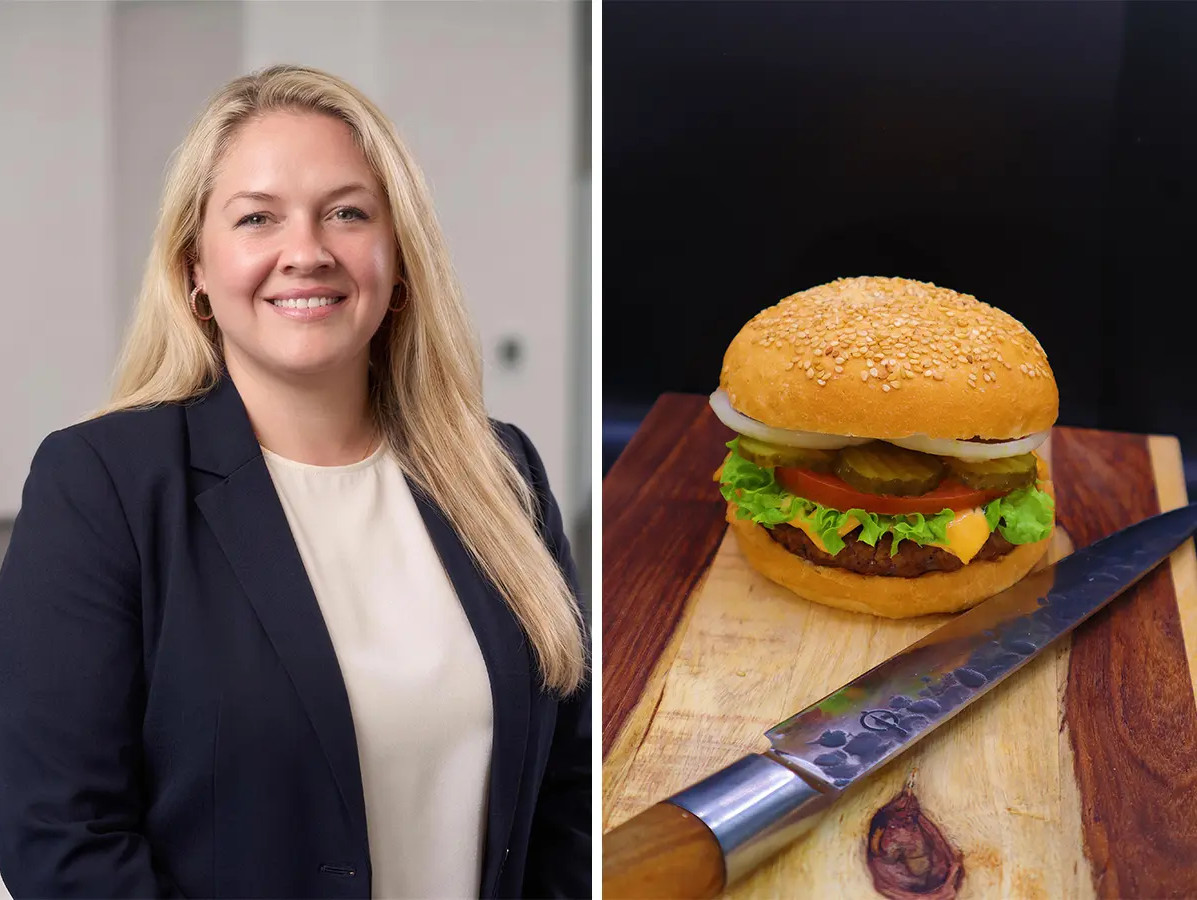
Tessa Rijn with the SNX burger
While fermentation mainly creates opportunities in the ingredients sector, the range of hybrid meat products in supermarkets is growing. For Tessa Rijn, the idea of hybrid products arose from the demand for taste and health. Her company SNX won, among other things, the KVK Innovation Top 100 in 2024 and received the award for best product from FSIN in 2025. “I am a meat lover myself,” she says. “I simply wanted to make tasty snacks that were also healthier than the products available at the time.” SNX develops meat products in which approximately half of the meat is replaced with plant-based ingredients. “Our products have to taste good and achieve at least Nutri-Score B. That means less meat, but above all, a very good formulation.” According to Tessa, that is precisely where SNX differs from many hybrid products that have been launched too quickly. “Many producers started from a sustainability or cost-saving perspective. When that happens, taste often loses out. We started with taste.” That focus is paying off. “Hybrid is not a goal in itself. Consumers simply want a tasty meatball or bitterbal.” The choice of production partners also plays a major role. “We deliberately work with family businesses that value quality and are willing to develop products together. Businesses that do not only look at an Excel spreadsheet.”
Edwin Bark takes a critical view of developments in hybrid products. “Many hybrid products are primarily being created because meat is becoming more expensive. Plant proteins and fibre are then added to reduce the cost price. That is something different from innovation.” According to him, this carries a risk. “Consumers start wondering what is actually in their meat. If hybrid is mainly used as a form of shrinkflation, it could actually undermine trust in meat.” Redefine Meat therefore deliberately chooses to remain one hundred percent plant-based. “We focus on meat eaters who want the same meat-eating experience, but without the disadvantages of animal production.” According to Edwin, the key lies not only in proteins, but also in the technology used. Redefine Meat has also received recognition for that technology: the company ranks number 22 in TIME’s World’s Top 100 Greentech Companies 2025, making it the highest-ranked foodtech company. “Our technology is primarily about texture. We have developed patented technology for the structure of connective tissue and combine this with flavour technology. This enables us to continuously improve the overall meat-eating experience.”
Although the market is ready for new protein-rich products, all four interviewees say that scaling up remains the biggest challenge. In the case of fermentation, the challenge lies in gradual and affordable scale-up. Gilbert: “The key is designing a factory that is not unnecessarily expensive. Every additional process step increases the investment required.” Available fermentation capacity also deserves attention. “Many breweries and other fermentation facilities are operating partly below capacity. That creates opportunities to assess whether such facilities are suitable for running our processes on a larger scale.” Sina expects large ingredient companies in particular to play a key role in this. “Companies such as ADM and Cargill already have global logistics and infrastructure. They can scale up new fermentation-based ingredients much faster than a start-up can on its own.”
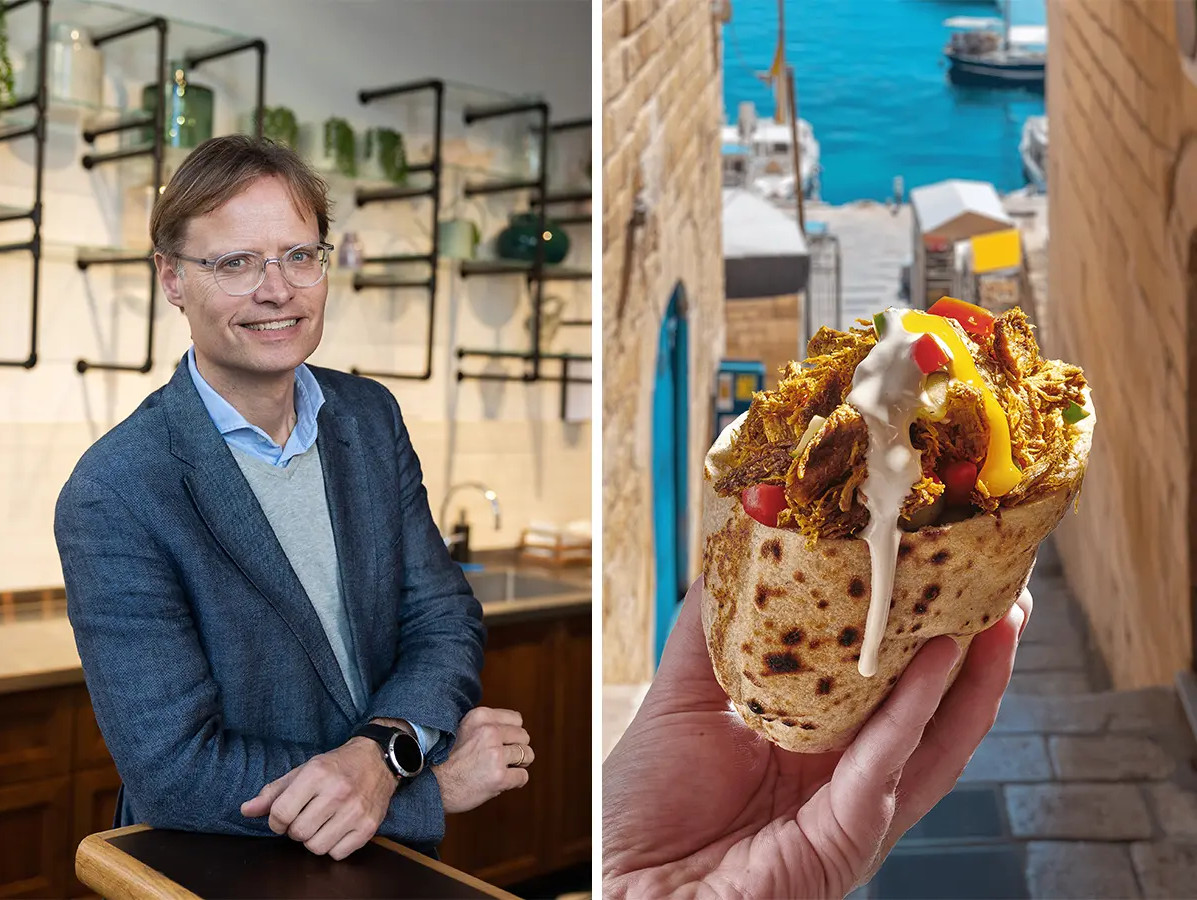
Edwin Bark with Shawarme - Redefine Meat
Interestingly, Edwin identifies a very different scaling issue in the production of meat substitutes: “Good flavourings are extremely expensive.” According to him, taste will determine the future growth of plant-based products. “You can immediately taste when cheap flavourings have been used. Consumers then reject not only that particular product, but sometimes the entire category.” He sees room here for joint innovation. “If the sector develops or purchases better flavour solutions together, everyone ultimately benefits.”
There is one development on which all four interviewees are strikingly aligned. Animal proteins will become structurally more expensive. According to Edwin, that trend is now almost impossible to stop. “Feed is becoming more expensive, harvests are becoming less predictable and meat is increasingly becoming a luxury product.” Tessa, however, points out that it is a misconception to assume plant-based ingredients are automatically cheaper or more stable. “As soon as a plant-based ingredient becomes popular, you also see its price rise. We have experienced that several times. As a hybrid producer, you therefore have to keep assessing which combinations work best.”
Sina sees the same pattern. “Soya has long since ceased to be an automatically cheap raw material, and geopolitics is playing an increasingly important role.” Security of supply is becoming increasingly important for food companies. “Retailers want consistent quality and a stable price. Fermentation offers stable, predictable production and therefore fits those requirements extremely well.”
Perhaps the most important lesson from all the conversations is that the discussion is shifting from sustainability towards product quality. According to Tessa, nobody buys a product simply because it is hybrid. “People mainly want something that tastes good.” Edwin agrees. “The hype around plant-based products is over. That is a healthy development. The companies that make genuinely good products will remain.” Gilbert also sees the market becoming more mature. “The question is no longer whether alternative proteins will have a place on supermarket shelves, but where they add the most value.”
Finally, Sina sums up the development: “The greatest impact will probably not come from the perfect meat substitute, but from thousands of everyday products in which alternative proteins gradually replace part of the animal-derived ingredients. That is where the real volume will ultimately come from.”
Source: ©Vakblad Voedingsindustrie 2026
Magazine Voedingsindustrie has been made possible in part by:



© COPYRIGHT 2026 VOEDINGSINDUSTRIE | ALLE RECHTEN VOORBEHOUDEN
Powered by Wallbrink Crossmedia © 2026