
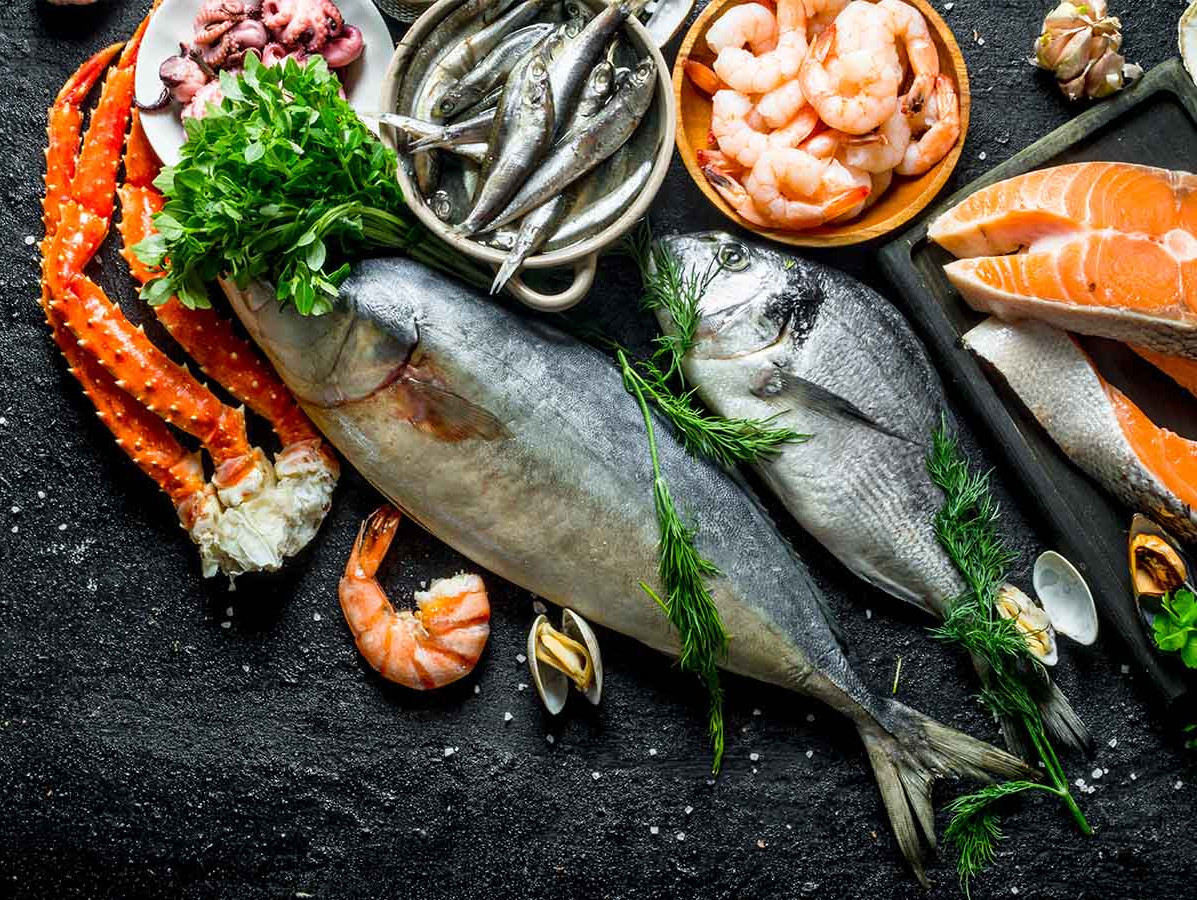
Salmon from Urk, tuna from Amsterdam, shrimp from Den Bosch. Over the past two years, the NVWA commissioned dozens of fish samples to be analysed for PFAS. The test results have now been made public following a Woo request. One sample, red gurnard from The Hague, contained 1.7 micrograms of PFOS per kilo.
In total, 49 samples were examined. The selection included both fresh and frozen fish and shrimp. Species such as plaice, cod, mackerel, salmon, tuna, shrimp, red gurnard and pangasius were included. Samples were taken at various locations, including Urk, IJmuiden, Katwijk, Lauwersoog, Velsen-Noord, Ede, Den Bosch and Amsterdam.
Some of the products were sourced in the Netherlands. Others were imported from countries such as Sri Lanka, Italy, Turkey and the United States. The NVWA had each sample tested for ten different PFAS compounds, including PFOS, PFOA, PFNA and PFHxS.
Company names have been redacted, but the sampling sites are clearly stated. Cold stores, fish processors, supermarkets and distributors, the entire supply chain is represented.
The NVWA stresses that the data comes from routine monitoring under the National Contaminants Plan. “Other documents are not part of this decision,” the authority notes. The results have also been submitted to EFSA, the European food safety authority. Nearly every sample contained traces of PFAS. In some cases, the levels were low, in others, clearly measurable.
Source: Rijksoverheid
Magazine Voedingsindustrie has been made possible in part by:



© COPYRIGHT 2026 VOEDINGSINDUSTRIE | ALLE RECHTEN VOORBEHOUDEN
Powered by Wallbrink Crossmedia © 2026