
Packaging is often under fire in public debate. It is seen as unnecessary and harmful to the environment. Wageningen researchers place clear reservations on that view. According to them, the picture is too black-and-white and requires nuance.
According to Ulphard Thoden van Velzen and Marieke Brouwer, there is no standard solution. Packaging is only sustainable if it contributes to the overall product-packaging combination. That means there is no universal “right” choice.
The researchers distinguish three key impact areas: climate change, planetary pollution, and biodiversity loss. Think of CO₂ emissions during production, microplastics in the environment, and deforestation for cardboard. Social and economic effects also play a role. Packaging can provide convenience and profit, but it can also create drawbacks.
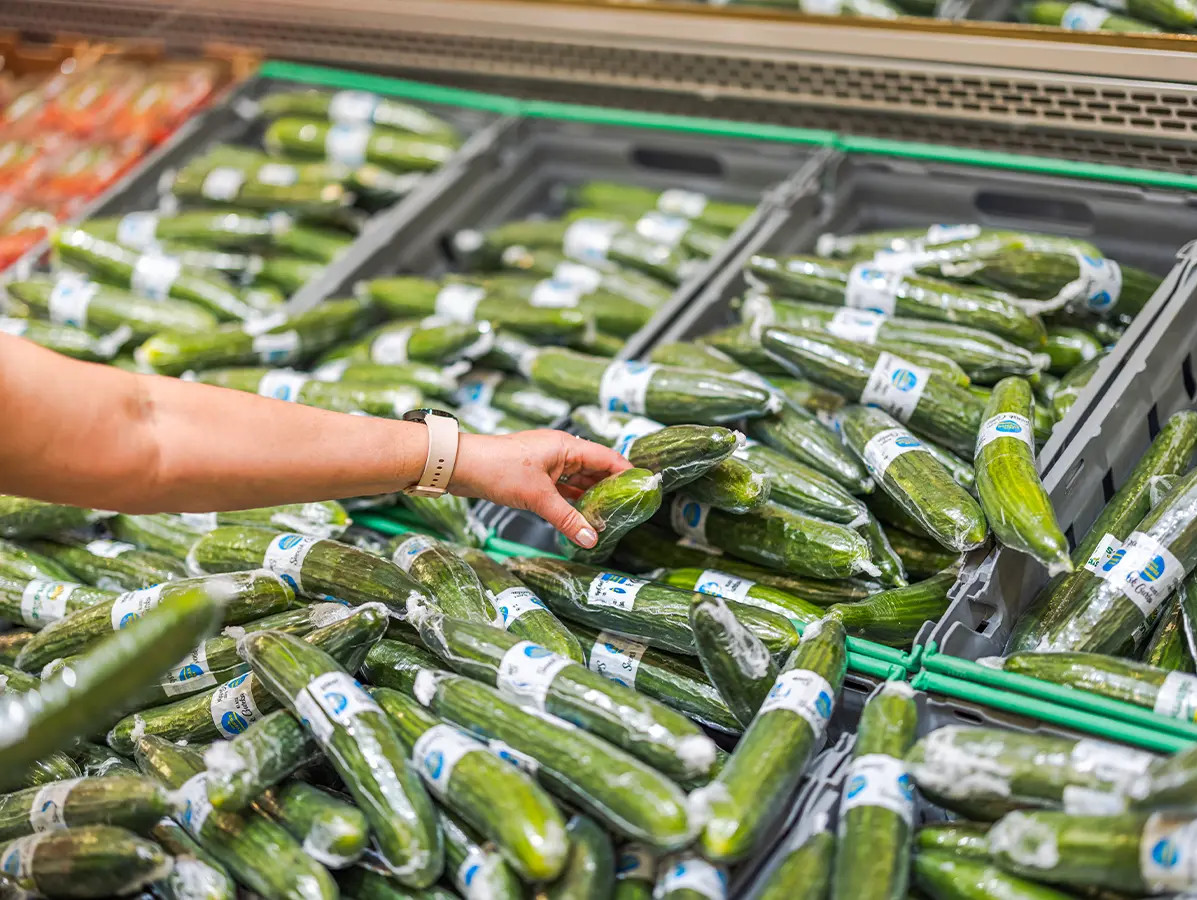
Examples show how complex the trade-off is. A glass milk bottle performs worse in terms of CO₂ than a beverage carton. However, glass is less harmful when it ends up in nature. The thin plastic wrap around a cucumber increases emissions, but significantly extends shelf life.
In many cases, the environmental benefit of reducing food waste outweighs the impact of the packaging itself. That makes decisions less straightforward than often assumed.
“Of course, we also see unnecessary packaging, especially in non-food products, such as hard plastic and cardboard around scissors,” says Brouwer. “It serves no purpose; in that case, a simple piece of string would be better.”
There are also food products where packaging adds little value, such as apples or potatoes.
The publication Duurzaam Verpakken was developed at the request of the food industry. The booklet provides practical guidance for packaging specialists and other professionals.
Many companies mainly focus on CO₂ emissions, as this impact is relatively easy to measure. According to the researchers, this can lead to unintended side effects. “Think of plastic that is light and efficient, but difficult to degrade,” says Brouwer.
There are still hardly any tools available for biodiversity and planetary pollution. The researchers therefore call for broader considerations and more conscious decision-making across the chain.
Source: Wageningen University & Research
Magazine Voedingsindustrie has been made possible in part by:



© COPYRIGHT 2026 VOEDINGSINDUSTRIE | ALLE RECHTEN VOORBEHOUDEN
Powered by Wallbrink Crossmedia © 2026