
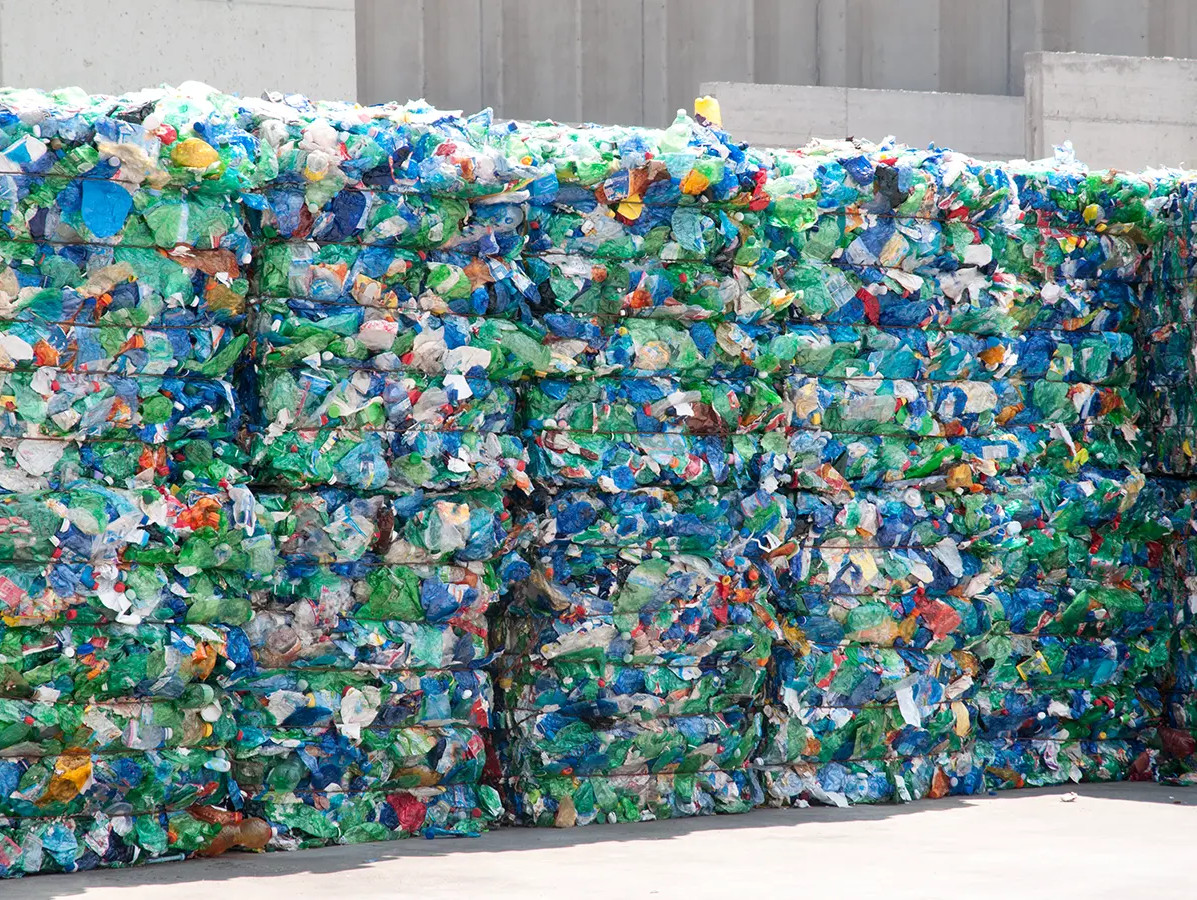
In the food industry, waste sorting is taken seriously. But if you think that means everything ends up neatly recycled, think again. Wageningen University & Research examined nearly 700 plastic consumer packages. The conclusion is sobering: within the Dutch system, only one in five is actually recyclable.
So what did the researchers find? Of the 694 packages assessed, 79% are not considered properly recyclable. Often because they’re made from complex material combinations, or use plastic that’s too dark, too small, or too opaque. Even if something is technically recyclable, in practice it usually isn’t. Only packaging that is sorted in the Netherlands and produces recyclate suitable for similar applications is considered ‘fully recyclable’. That’s just 21%.
Single-material plastics perform significantly better. Think transparent PET or polypropylene — those are recognized by sorting systems. Polystyrene or PVC? Those rarely make the cut. Many meat and cheese packages, often made up of multiple layers, also pose a challenge. Same goes for packages that are simply too small to be processed properly.
By 2025, European legislation requires all plastic packaging to be recyclable. Sounds promising, but reality is more stubborn. The report is clear: ‘Technical recyclability does not automatically mean that a package is truly recyclable within the current system.’ A package may tick the boxes on paper, but if there’s no chain in place to actually process it, little is gained. Producers are following the rules, but that doesn’t always lead to high-quality reuse.
According to the researchers, ‘design for recycling’ is key. Only packaging that fits existing sorting systems stands a real chance of being properly recycled. Think standard materials, minimal color additives, and simple shapes. ‘Recyclability means that a package can be sorted into a specific waste stream, and that the resulting recyclate can be used for an equivalent application.’
That creates a clear opportunity, and responsibility, for producers in the food sector. Because, as the report notes, better alternatives already exist. Now it’s a matter of making the switch.
Source: WUR
Magazine Voedingsindustrie has been made possible in part by:



© COPYRIGHT 2026 VOEDINGSINDUSTRIE | ALLE RECHTEN VOORBEHOUDEN
Powered by Wallbrink Crossmedia © 2026