
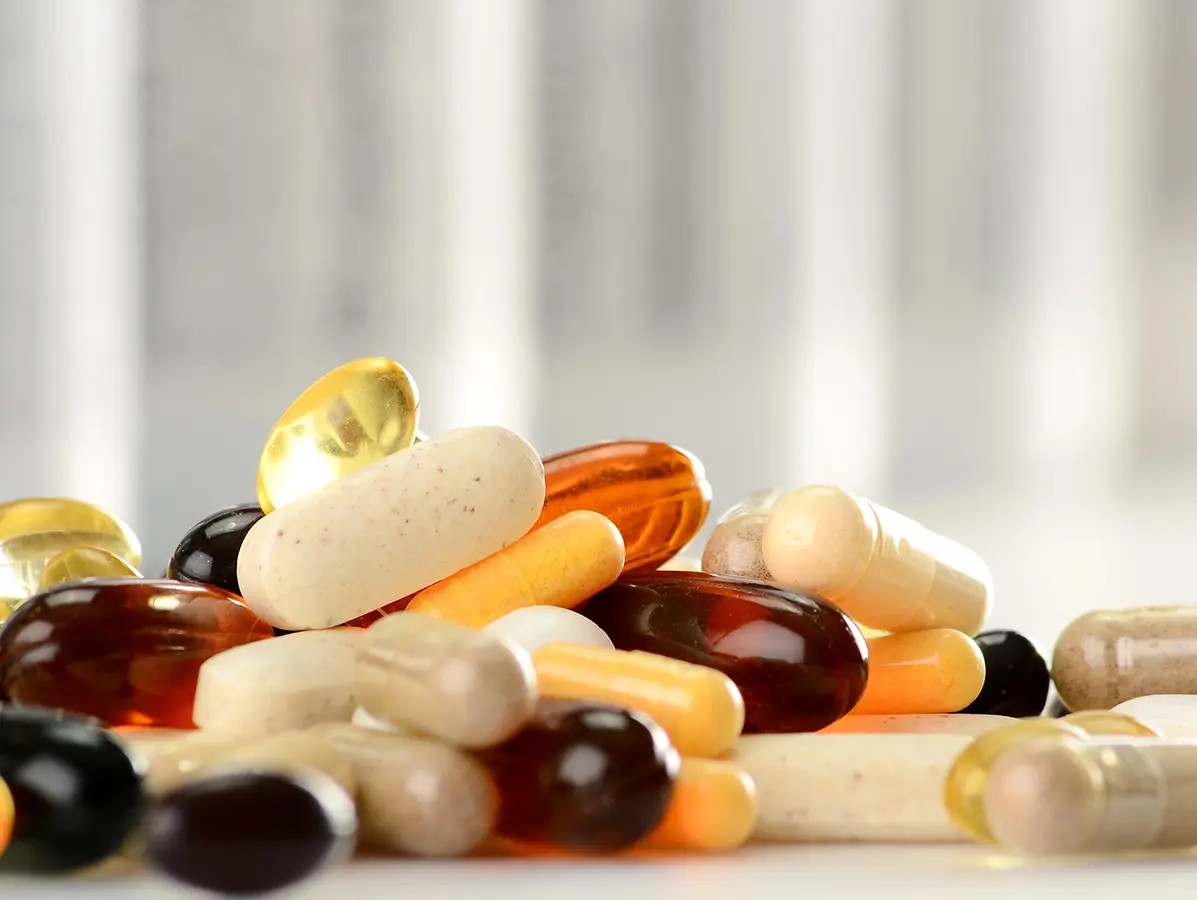
Dietary supplements are often presented as support for health, weight loss, or athletic performance. Yet some products prove to be anything but harmless. The Netherlands Food and Consumer Product Safety Authority (NVWA) has therefore published a Blocklist of dietary supplements containing hidden hazardous substances. According to the regulator, these products pose a direct health risk and may not be sold.
The Blocklist includes dietary supplements in which prohibited substances have been found. These include, among others, weight-loss products, libido enhancers, and performance-boosting supplements. In several cases, products contained substances such as sildenafil or sibutramine. These ingredients are not listed on the label.
According to the NVWA, these substances are deliberately added. They provide the effect the supplement promises but are not permitted under dietary supplement regulations. The substances can cause serious side effects. Reported risks include cardiovascular problems and liver and kidney damage. Concurrent use with medication can also pose additional risks.
The NVWA has made the Blocklist available online for consumers and businesses. The list can be searched by product name, category, and substance. In addition, the NVWA explains which substances were found and the associated health risks for each product. This clarifies whether a dietary supplement may be marketed in the Netherlands.
Many of the listed supplements are sold online and presented as “natural.” According to the NVWA, that claim is misleading when the effect can only be achieved through illegal additives.
The NVWA monitors whether businesses comply with the rules for dietary supplements. Products containing hidden prohibited substances may not be sold, including through webshops or online platforms. The regulator actively warns against these products.
The Blocklist is expanded when new high-risk supplements are identified. Consumers and businesses can contact the NVWA Customer Contact Center with questions. Journalists can reach out to the authority’s press officers.
Source: NVWA
Magazine Voedingsindustrie has been made possible in part by:



© COPYRIGHT 2026 VOEDINGSINDUSTRIE | ALLE RECHTEN VOORBEHOUDEN
Powered by Wallbrink Crossmedia © 2026