
Plant-based products are everywhere, yet often go unnoticed. It is not the assortment, but the way products are labeled that influences how consumers make choices. This is shown in research by PhD candidate Houkje Adema (Wageningen Social & Economic Research).
Many plant-based products do not carry an explicit label. Vegetables, fruit, oils, and legumes are rarely identified as such. According to Adema, this creates a distorted perception. “That unintentionally gives the impression that plant-based options are the exception rather than the norm.”
In an online supermarket, she examined the effect of labeling. The environment consisted of 64 products across eight categories, including tomato products, minced meat, and cheese. Participants selected ingredients for a pasta bolognese.
The share of labeled plant-based products was adjusted per test. Only when sixty percent or more of the plant-based products carried a label did participants notice that the assortment was larger. The social norm and purchase intention did not change.
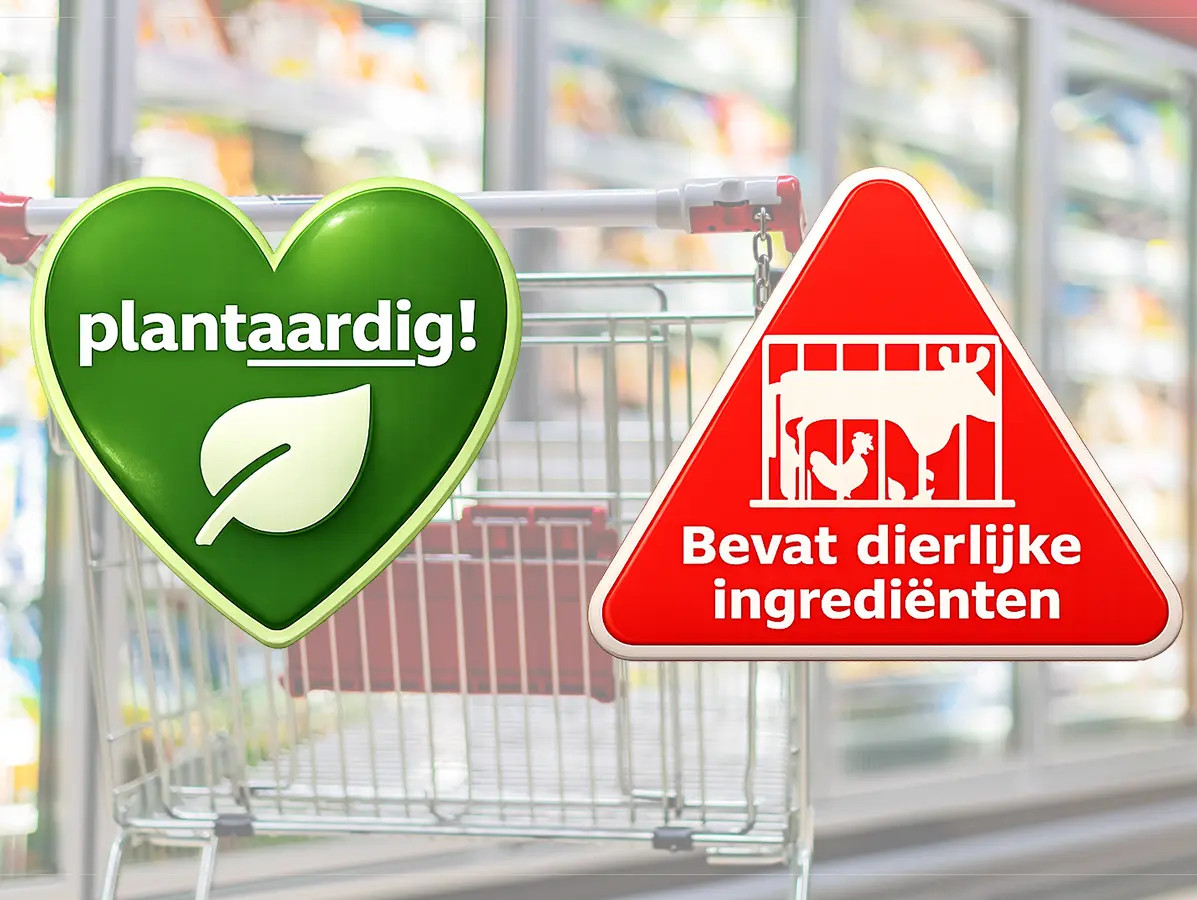
In a follow-up experiment, plant-based products received a positive label. Animal-based products were given a negatively phrased warning label.
This approach influenced participants’ perception. They indicated a stronger intention to purchase plant-based products and expected others to do the same. “The social norm changed. And that without making any changes to the assortment.” Actual purchasing behavior, however, remained the same.
When the labeling strategy was reversed, behavior did change. By labeling animal-based products as the exception, participants more often chose a plant-based option for their meal.
According to Adema, the results show that labeling and framing influence choices. Without changing the assortment, the perception of availability can already shift.
Source: Wageningen Resource
Magazine Voedingsindustrie has been made possible in part by:



© COPYRIGHT 2026 VOEDINGSINDUSTRIE | ALLE RECHTEN VOORBEHOUDEN
Powered by Wallbrink Crossmedia © 2026