Three research projects within cellular agriculture will receive a total of €4.1 million. NWO and the National Growth Fund are using this to focus on cost reduction and scaling up. The emphasis is on precision fermentation and cultivated meat.
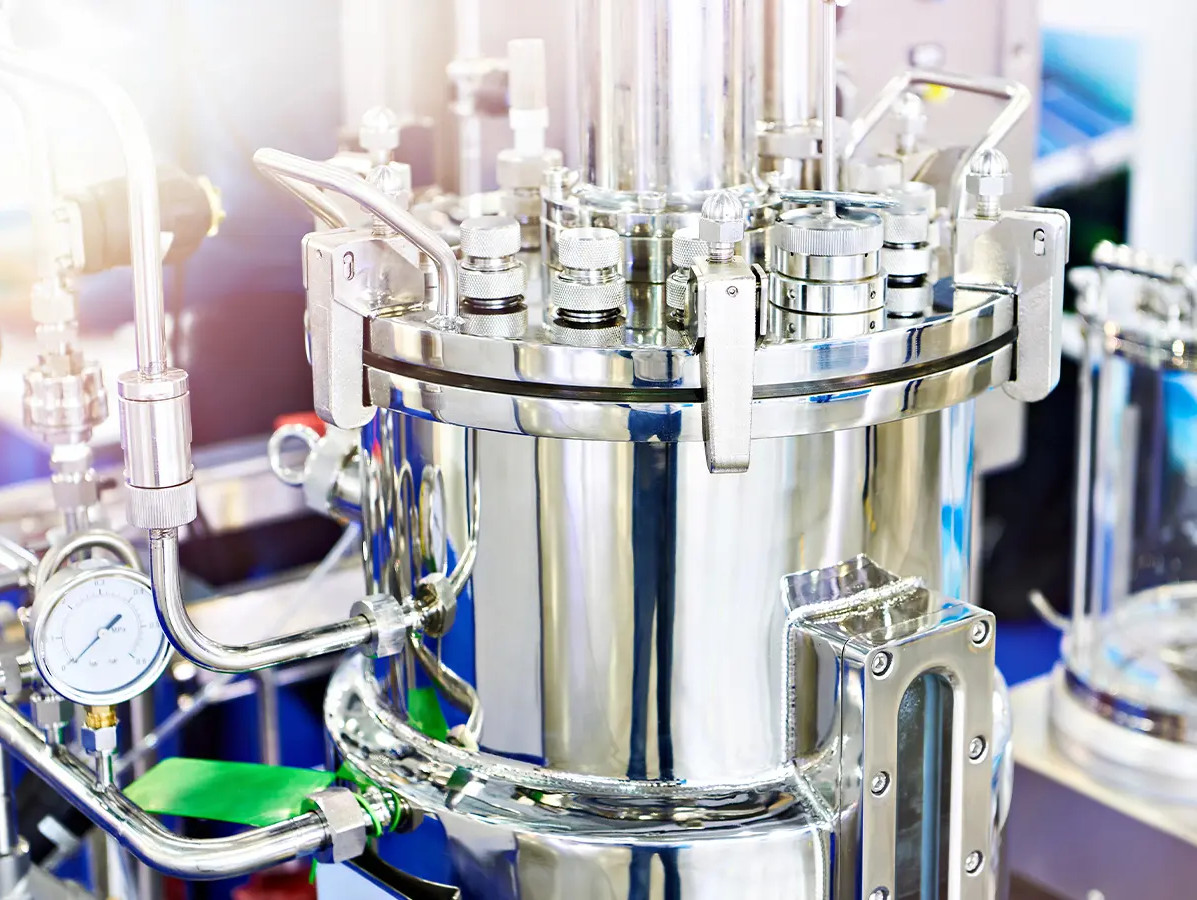
Cellular agriculture makes it possible to produce animal products without animals. Cells are grown in bioreactors and processed into meat. They can also serve as ingredients for flavor and texture in alternatives.
In addition, engineered microorganisms produce specific proteins through precision fermentation. The technology can help reduce environmental impact and improve animal welfare. The current projects focus on scalability and affordability.
UP-CELL, led by TU Delft, focuses on suitable cell lines for production. Researchers combine cell engineering with computational models. The aim is to enable large-scale and cost-effective cell cultivation.
MeatUp, from Maastricht University, works on developing whole-cut meat products. The project combines biotechnology, cell biology, and materials science. It uses, among other things, seaweed and microalgae as raw materials.
FungCows, led by Universiteit Leiden, is developing a bioprocess for milk proteins. The project uses fungi to produce proteins from grass. Partners collaborate across the full process, from development to validation.
The projects fall under the National Growth Fund program for Cellular Agriculture. This program focuses on knowledge development, talent, and scaling facilities. In 2023, €60 million was allocated to this initiative.
Within the program, public and private parties work together. The results are intended to contribute to innovation and economic development. The Netherlands aims to position itself as an international hub for this form of food production.
Source: NWO
Magazine Voedingsindustrie has been made possible in part by:



© COPYRIGHT 2026 VOEDINGSINDUSTRIE | ALLE RECHTEN VOORBEHOUDEN
Powered by Wallbrink Crossmedia © 2026