Above all, a packaging machine has to be reliable. Every malfunction, rejected package, or instance of unnecessary downtime costs money. With the new SmartPacker C-Pro, GEA combines reliability with higher productivity, greater flexibility, and improved hygiene. The company is also building a machine platform designed for future use with sensors, cameras, and humanoid robots.
“What exactly does this new packaging machine do? It puts products into bags and seals them,” says David Sprengers, who leads Engineering & Development at GEA. “It sounds simple, but there’s a lot of engineering behind a properly sealed package. For customers, it comes down to two things: a machine that runs reliably and packages that meet their quality requirements.” GEA’s existing machine platform was more than 20 years old. So the company decided to develop an entirely new platform. GEA redesigned the mechanical components and rewrote the software from the ground up. The goal was to improve reliability in production and lay the groundwork for future developments.
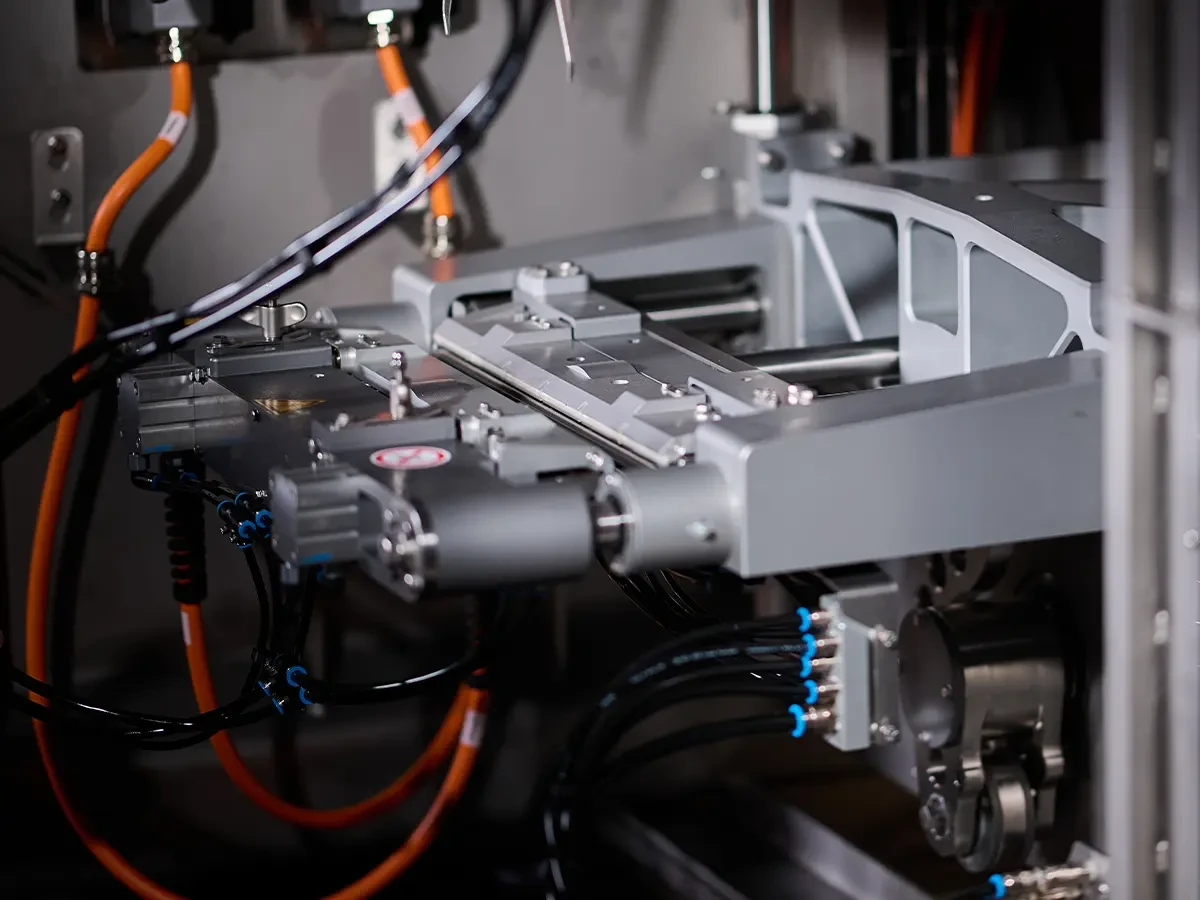
Wilbert Maximus, Product Manager at GEA, explains how much attention went into the machine’s construction. “In the previous generation, key components were mounted at different points on the machine, so vibration affected each one differently. In the all-new SmartPacker C-Pro, key components are mounted on the same side. That results in more uniform movement, greater stability, and less mechanical stress.” The team also optimized the movement of the sealing jaws. The software adjusts their motion based on the bag length and the product being packed. According to GEA, this allows the machine to run up to 50 percent faster than its predecessor. “The added stability helps deliver more consistent package quality, reduces wear, and makes production more reliable.”
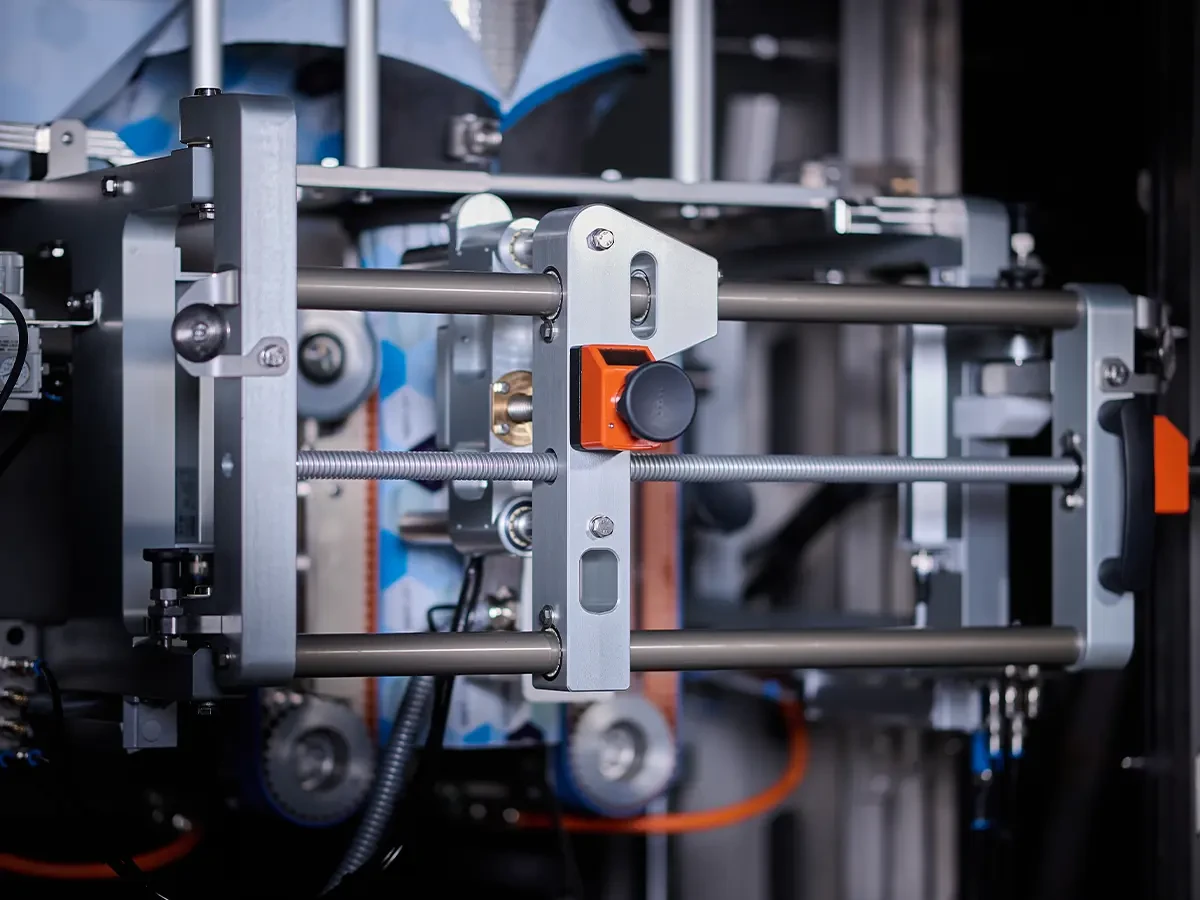
Hygiene is a priority for food manufacturers. That’s why it was built into the machine from the design stage. “If you look closely at the machine, you’ll see sloped surfaces and rounded corners throughout.” Wilbert explains that these features are designed to keep water and product residue from collecting. “The open-frame design also makes it easier for debris and washdown water to drain away.” The machine can also be cleaned at lower pressure. This produces less mist and makes the work environment more comfortable for employees. Cleaning also takes less time, so the machine can return to production sooner.
The developers look beyond the number of bags a machine produces per minute. What matters most is how many properly sealed packages ultimately leave the plant. GEA calls this the Seal Integrity Rate (SIR), the percentage of packages with seals that meet the specified quality requirements. GEA reports a rate of up to 99.75 percent for the SmartPacker C-Pro. Higher speeds, better seal quality, less wear, and shorter cleaning times improve efficiency. Customers get more sellable packages, less waste, and greater machine availability.

Wilbert Maximus en David Sprengers
The SmartPacker C-Pro has a modular design. David explains that options and upgrades are easier to add, with less disruption to production. The fully redesigned software platform also supports further digitalization, monitoring, and applications that use sensors and camera systems. Evolving regulations play an important role. David points to the European Cyber Resilience Act, which sets new cybersecurity requirements. Manufacturers also need to prepare for stricter packaging requirements and reduce waste as 2030 approaches.
The team is looking further ahead. Wilbert describes a future in which machines communicate directly with humanoid robots that carry out tasks on the factory floor. The new platform is designed to accommodate that development, although the technology isn’t part of the machine yet. Jeffrie Schoonhoven, Project Sales Manager at GEA, says customers’ main priorities today are increasing capacity within their existing factory footprint and preparing for new packaging materials. He enjoys working with customers to understand their challenges and identify where they can save.
The new platform took more than three years to develop. A prototype drew considerable interest at Interpack. Even so, GEA took extra time to test the machine further.
David is proud of the responsibility the development team takes for its work. “If they say the machine isn’t ready to go out to customers, you have to respect their judgment. After all, you want to deliver a reliable product. We’re continuing to test the machine, including at customer sites.” GEA will officially introduce the SmartPacker C-Pro to the Benelux market at Interpom in Kortrijk, from November 29 through December 1, 2026. The first deliveries are already scheduled for 2027. David, Wilbert, and Jeffrie look forward to installing the new machine at customer sites. They’re confident that customers will still be happy with it after years of use and will want to keep building on a platform designed for the long term.
Source: Vakblad Voedingsindustrie 2026
Magazine Voedingsindustrie has been made possible in part by:



© COPYRIGHT 2026 VOEDINGSINDUSTRIE | ALLE RECHTEN VOORBEHOUDEN
Powered by Wallbrink Crossmedia © 2026