
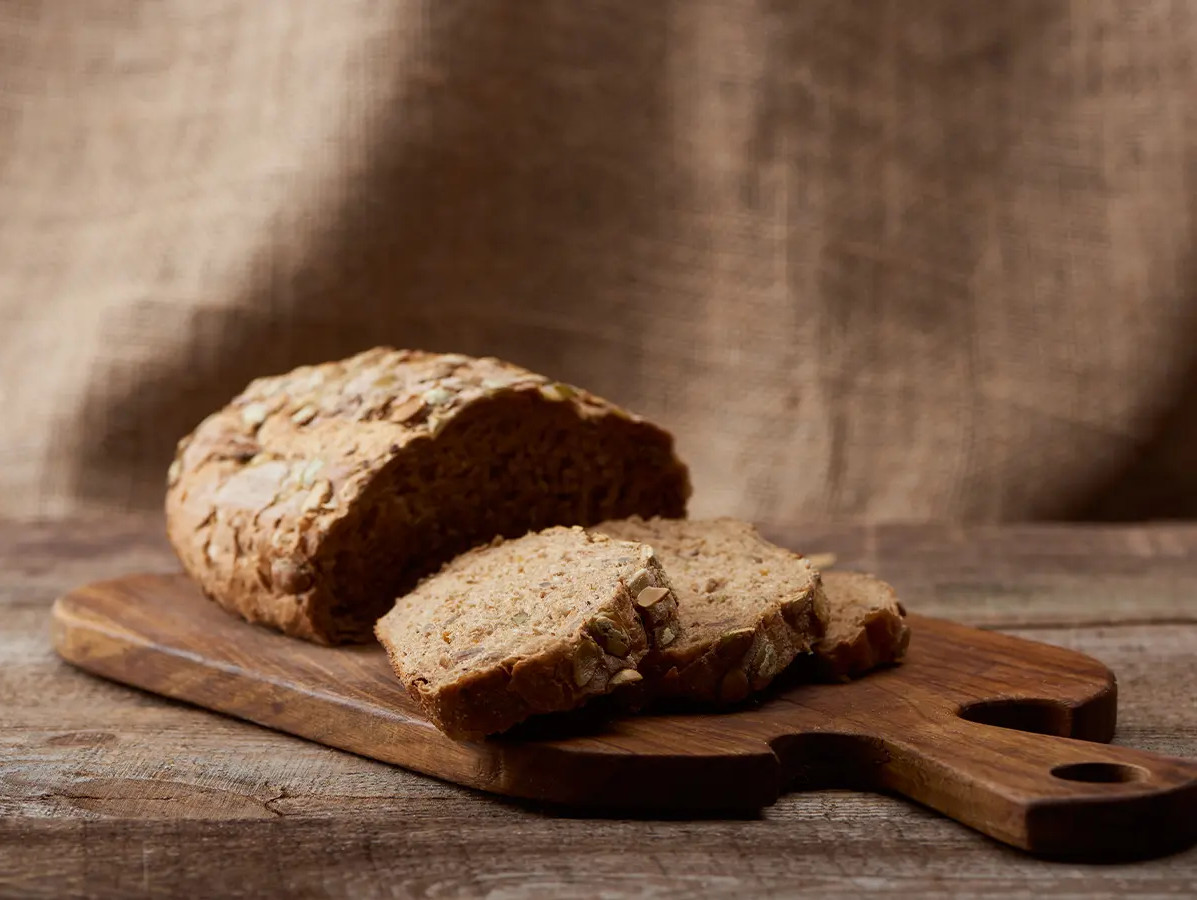
A new ISO standard has, for the first time, established a global definition of what constitutes whole grain. Agreements have also been made on how whole grain content should be calculated and declared on product labels. According to the Whole Grain Initiative, the standard provides greater clarity for consumers, researchers, and manufacturers.
For Dutch manufacturers, little will change. The Dutch Commodities Act Decree on Flour and Bread has already contained clear rules for the use of the term “whole grain” for many years.
The main significance of the new standard therefore lies in international harmonization. Differences between countries in definitions and labeling can lead to confusion. A single international standard creates greater consistency.
According to the Whole Grain Initiative, this will help create a level playing field and provide greater clarity for consumers. Over time, it will also make it easier to compare research on whole grain products.
The publication of the standard also highlights the importance of whole grains for public health. Decades of research show that regular consumption of whole grain products is associated with a lower risk of chronic diseases.
A daily intake of 50 grams of whole grains can reduce the risk of type 2 diabetes by around 25 percent. The risk of cardiovascular disease and mortality also decreases by approximately 20 percent.
Despite these benefits, global consumption remains below recommended levels. This comes at a time when dietary guidelines toward 2050 increasingly emphasize a shift from refined grains to whole grain products. Whole grains are also an important source of dietary fiber, and current intake levels remain too low.
The Whole Grain Initiative also points to the importance of developing healthy eating habits at a young age. According to the organization, children who are introduced to whole grain products early in life are more likely to make healthy food choices later on.
The organization is calling on governments, manufacturers, educational institutions, and health organizations to work together to increase whole grain consumption.
Source: NBC
Magazine Voedingsindustrie has been made possible in part by:



© COPYRIGHT 2026 VOEDINGSINDUSTRIE | ALLE RECHTEN VOORBEHOUDEN
Powered by Wallbrink Crossmedia © 2026