The market for food supplements continues to grow. The number of suppliers keeps rising, and their experience varies widely. Alongside established producers, plenty of newcomers are entering the field. For many of these smaller or starting companies, it can be a challenge to meet all legal requirements while maintaining food safety.
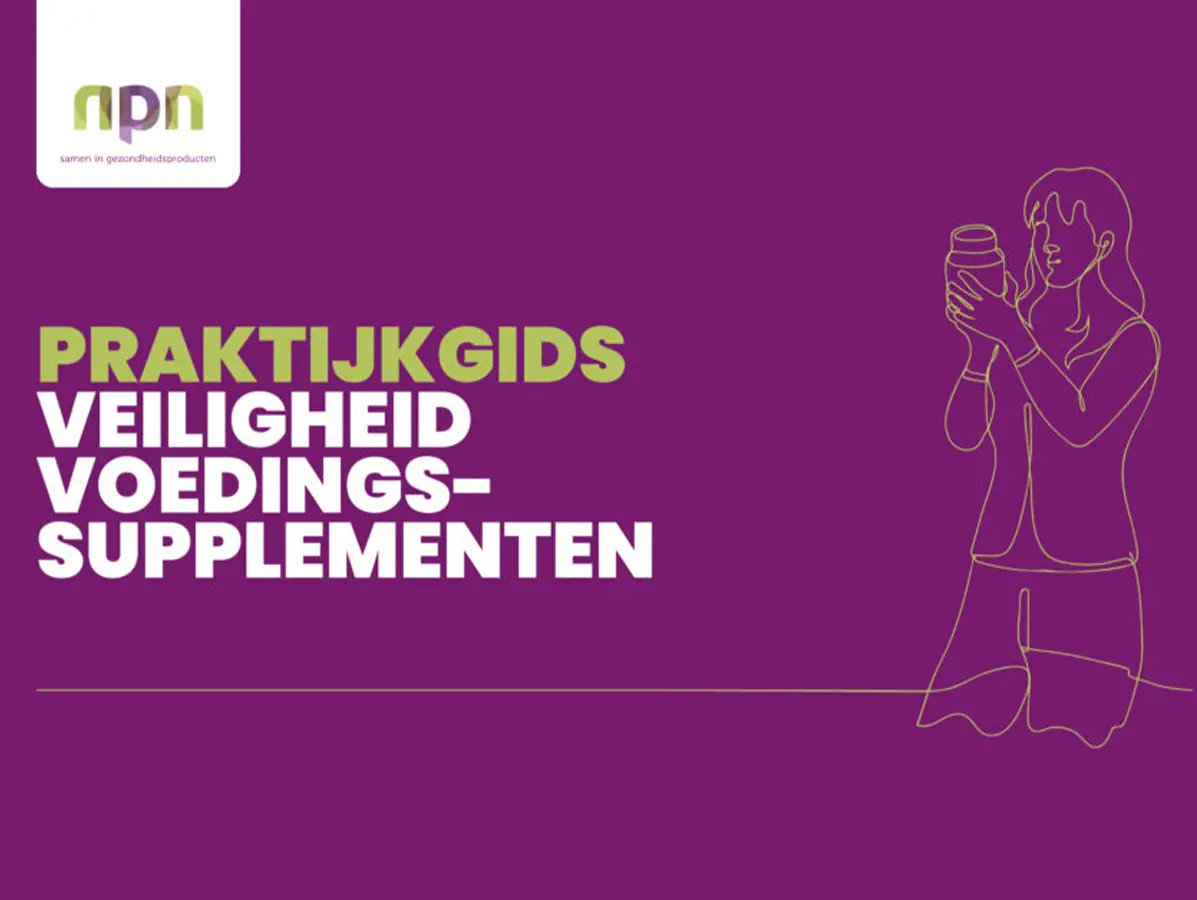
Industry association NPN is responding with the Practical Guide to Food Supplement Safety. The guide is designed to help businesses manage risks more effectively and produce responsible, safe products.
The guide targets the entire sector but is especially useful for smaller businesses. It offers clear explanations and practical tools—covering ingredient regulations, risk assessments, and the assurance of food safety. Larger players will also benefit, particularly from the overview of risks linked to raw materials.
The guide was developed by consultancy firm Précon, together with QA managers from NPN member companies. The Netherlands Food and Consumer Product Safety Authority (NVWA) was involved from the start and supports the initiative, recognizing the importance of self-regulation and field standards within the sector.
Initially, NPN worked on a traditional hygiene code, as is common in the food industry. But it soon became clear that such a code was too rigid—offering little room to incorporate up-to-date risk analyses of raw materials. That’s why NPN opted for a practical guide instead, based on HACCP principles. It also includes specific attention to permitted and prohibited ingredients—something a standard hygiene code cannot provide.
It’s important to note that in the food supplement sector, the main food safety risks lie not in production itself, but in raw materials: purchasing, using, and dosing active substances. This guide focuses directly on those aspects.
The guide was presented on 9 October during a meeting with companies and the NVWA. It can be downloaded free of charge from the NPN website. Companies looking for more in-depth information can purchase additional documents. These are free for NPN members; non-members pay a fee.
Source: NPN
Magazine Voedingsindustrie has been made possible in part by:



© COPYRIGHT 2026 VOEDINGSINDUSTRIE | ALLE RECHTEN VOORBEHOUDEN
Powered by Wallbrink Crossmedia © 2026