
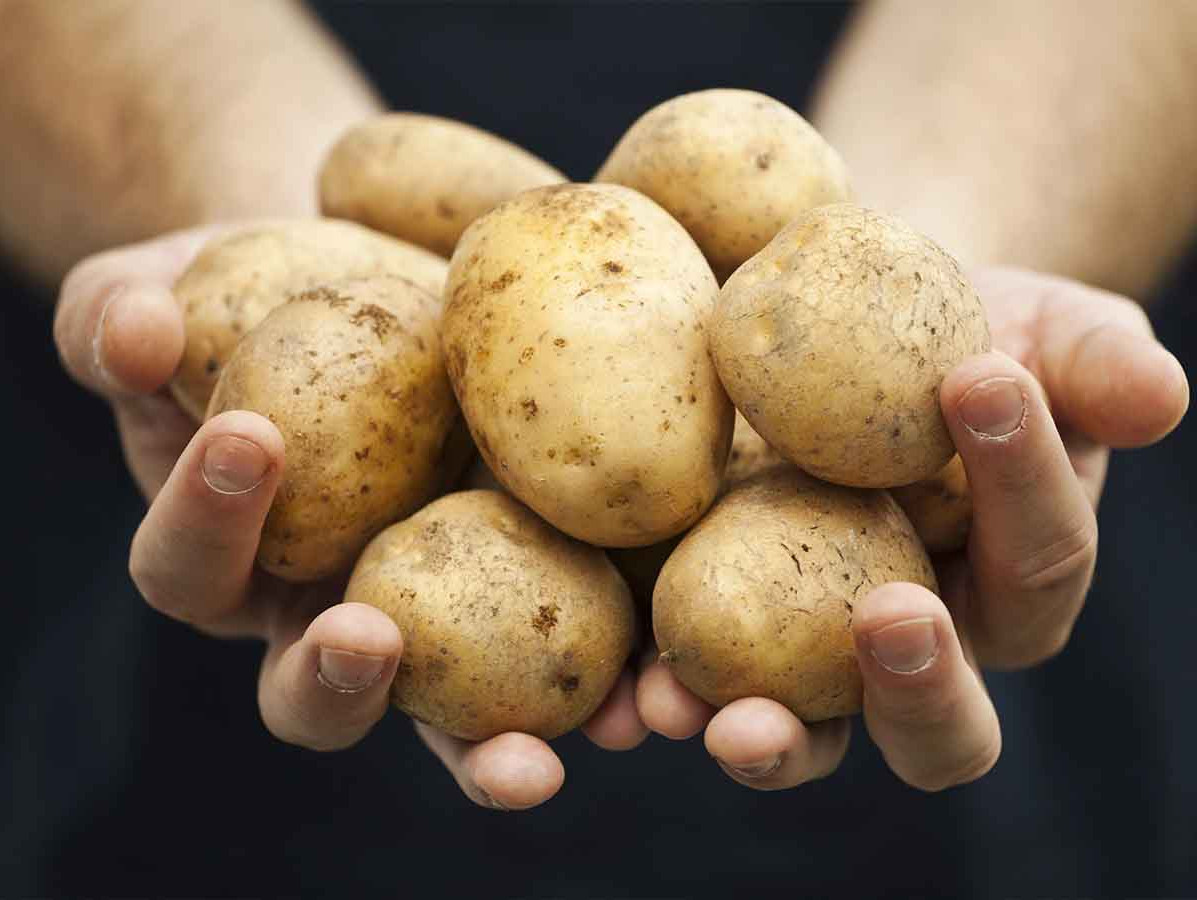
Not tubers, but seed. With that shift, Solynta is turning potato cultivation on its head. The Wageningen-based biotech company is receiving €20 million from the European Investment Bank (EIB) to accelerate development of its technology.
The loan is part of the European Commission’s InvestEU program and is aimed at supporting the development of potato varieties with high disease resistance and resilience to climate change. Solynta focuses on using true potato seed for cultivation, rather than traditional seed tubers.
The benefit? Unlike tubers, true potato seed doesn’t spoil during transport or storage. That makes the supply chain more efficient. And farmers around the world can get started with the seed, without depending on heavy and fragile planting stock.
“Potato growers worldwide need access to clean starting material with strong resistance to diseases like Phytophthora. With our new potato varieties, which are grown from seed instead of traditional tubers, we’re introducing new types that require fewer crop protection agents and contribute to improved global food security,” says CEO Peter Poortinga.
Solynta uses a hybrid breeding method that involves no genetic modification. This approach allows for faster adjustment of crop traits. The result: varieties that perform better under pressure, whether from disease or a shifting climate.
“Climate action and adaptation are at the heart of our financing,” says EIB Vice-President Gelsomina Vigliotti. She calls the support for Solynta a win-win. “The potato is a key staple crop around the world. It’s essential that it continues to thrive, even under tougher conditions.”
The European Commission is also backing the investment. “Food security is an important pillar of the EU’s new vision for agriculture and food,” says Klasja van de Ridder. According to her, the project supports a more sustainable and competitive future for European farming.
Source: EIB
Magazine Voedingsindustrie has been made possible in part by:



© COPYRIGHT 2026 VOEDINGSINDUSTRIE | ALLE RECHTEN VOORBEHOUDEN
Powered by Wallbrink Crossmedia © 2026