
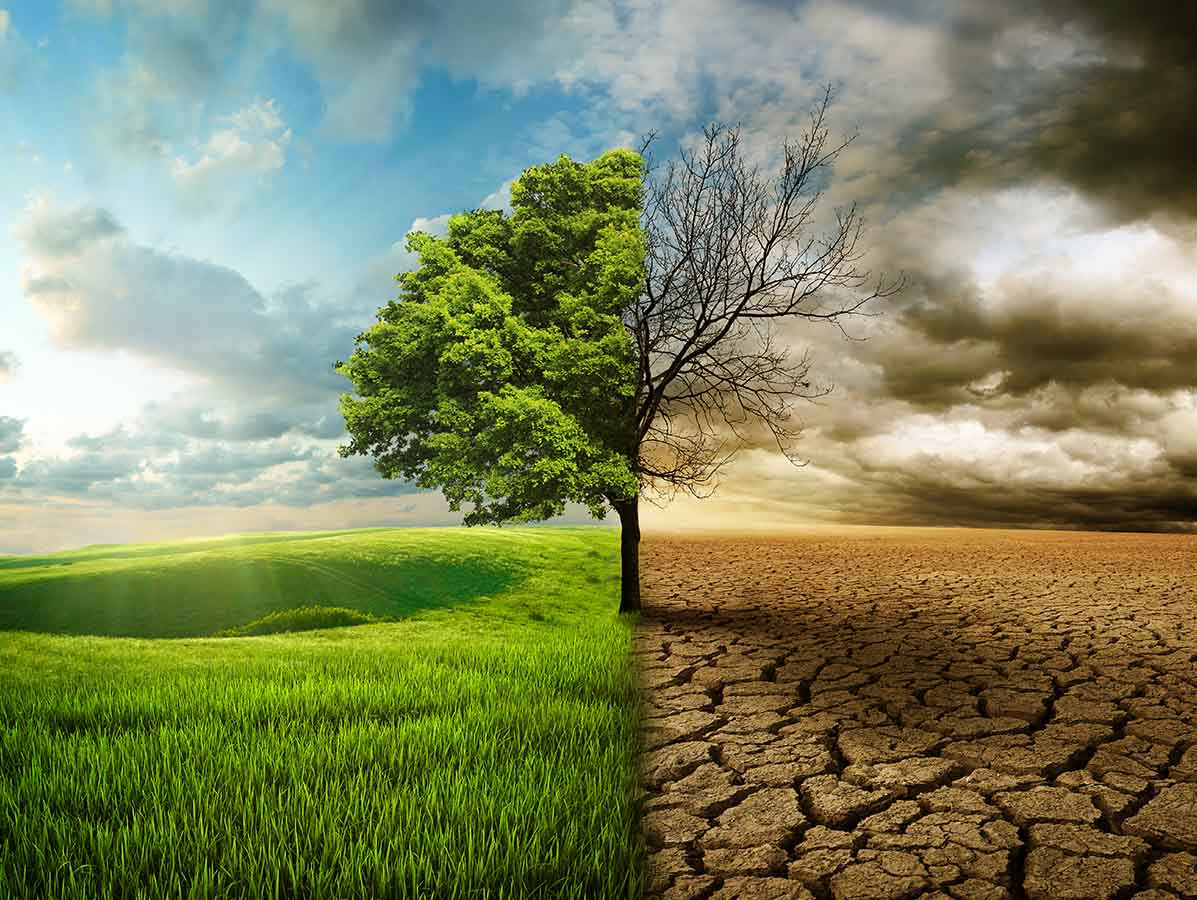
Heatwaves, droughts, torrential rain, when the weather spirals out of control, food prices tend to follow. And sharply. New research shows how extreme weather is hitting harvests across the globe, driving price spikes that are causing concern for producers, consumers, and policymakers alike.
Since 2022, the signals have been piling up: when the climate overheats, food prices respond fast. Researchers from institutions including the Potsdam Institute and the European Central Bank mapped dozens of such cases worldwide. Their conclusion was clear: in many of these events, the weather was so extreme it broke all historical records.
Take East Asia. In 2024, heatwaves pushed up the price of Korean cabbage by 70% compared to the year before. Japanese rice went up by 48%, while vegetable prices in China rose by 30%. Closer to home, the impact was also felt: Spain, which accounts for over 40% of global olive oil production, saw prices jump by 50% in just one year, due to ongoing drought.
The same story played out in the US. California, responsible for more than 40% of America’s vegetable production, faced such dry conditions in 2022 that producer prices surged by 80%.
And on the global market? The impact was even more dramatic. Cocoa from Ghana and Côte d'Ivoire was up 300% in April 2024 compared to the previous year. The cause: extreme heat, followed by drought. Coffee prices also rose sharply after similar weather shocks in Brazil and Vietnam.
When food prices rise, the effects go far beyond the checkout. And they move quickly. Lower-income households are the first to feel the impact, and the hardest hit. In the US, the lowest income group spends around 33% of their income on food. The highest: just 8%. When prices rise, people buy less, or opt for cheaper, often less nutritious options. That has consequences. For their health, and for healthcare systems.
The food industry itself isn’t spared either. Raw material costs become harder to predict. Margins shrink. Risk assessments need sharper focus. Meanwhile, the ECB warns that if this becomes more common, inflation may become harder to control. Interest rate hikes might follow, which in turn could slow down economic growth. Especially in countries where food carries significant weight in inflation statistics, this is a serious concern.
So what can help? Being able to look ahead. Short-term climate forecasts can be useful, for example, when assessing harvest risks. Financial experts have caught on. HSBC in India, for instance, already uses temperature data as a leading indicator for food prices, instead of relying on reservoir levels as they did before.
Still, it’s not a straightforward shift. Agricultural adaptation faces obstacles, some technical, others political. In Catalonia, where droughts played a role in driving up olive oil prices, the regional government cut irrigation by 80% during dry spells. Sensible from a sustainability standpoint, but challenging when you're also trying to maintain yields.
Source: IOP Science
Magazine Voedingsindustrie has been made possible in part by:



© COPYRIGHT 2026 VOEDINGSINDUSTRIE | ALLE RECHTEN VOORBEHOUDEN
Powered by Wallbrink Crossmedia © 2026