Those planning to invest in energy-efficient technologies in 2026 will have more fiscal room to do so. The budget for the Energy Investment Allowance (EIA) will increase to €460 million. That is €29 million more than in 2025. This keeps the scheme an important instrument for encouraging energy savings and CO₂ reduction.
For many companies, including producers in the food industry, energy is playing an increasingly significant role in cost structures. Investments in more efficient installations and buildings are made more financially attractive through the EIA. In this way, the government aims to continue supporting sustainable economic growth.
The EIA is based on the Energy List. This list includes innovative, energy-saving, and sustainable technologies. Entrepreneurs investing in assets listed there may deduct 40 percent of the investment costs from their taxable profits. This results in an immediate tax benefit.
Applications are submitted through the Netherlands Enterprise Agency (Rijksdienst voor Ondernemend Nederland, RVO). In consultation with the ministry, RVO updates the Energy List each year. For 2026, assets have once again been added and removed. Requirements have also been tightened or relaxed, ensuring the list aligns with market developments.
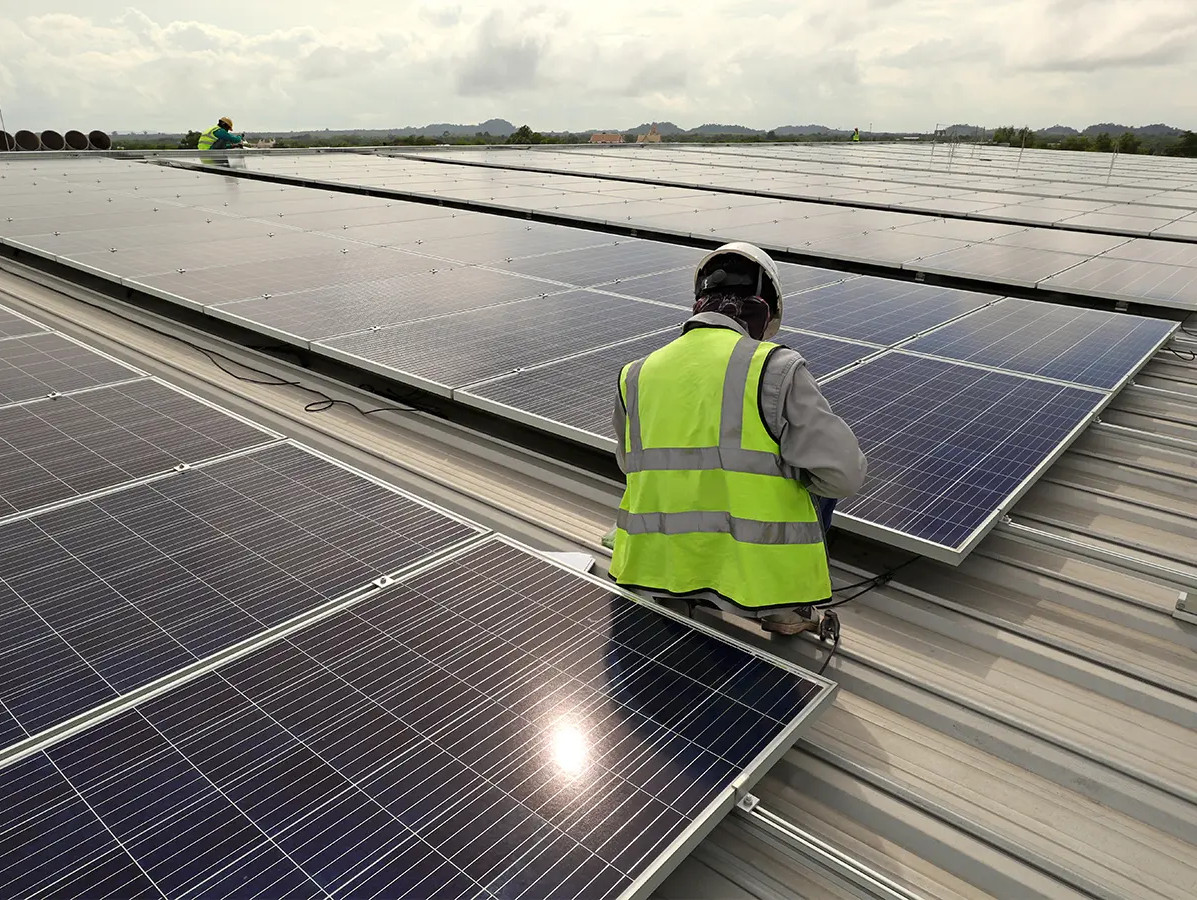
The conditions for small-scale solar energy installations have been expanded. The abolition of the net metering scheme from 2027 mainly affects the payback periods of smaller systems. As a result, the maximum combined peak capacity has been increased from 55 to 100 kilowatts.
There is also more room for electricity storage. Entrepreneurs can claim tax benefits for a wider range of battery types. Liquid lead-acid batteries are excluded. They are less efficient and therefore no longer eligible.
In 2026, the Energy List also includes investments aimed at sustainability and circular use of resources. For example, the renovation of existing air handling units is now included. Upgrading these systems reduces energy consumption and extends their service life.
In addition, renewable, biobased insulation materials have been added. Because these materials are more expensive, they qualify for a higher tax benefit than conventional insulation. From 2026 onward, the list will include almost exclusively heat pumps using halogen-free refrigerants. Their use in new commercial buildings is also eligible.
Tax benefits will no longer apply to fossil fuel-based heating boilers intended as primary heating systems. At the same time, several new innovative technologies have been added, including an electrically powered agricultural drone, energy-efficient wastewater aeration, and an aerodynamic truck cab.
Source: RVO
Magazine Voedingsindustrie has been made possible in part by:



© COPYRIGHT 2026 VOEDINGSINDUSTRIE | ALLE RECHTEN VOORBEHOUDEN
Powered by Wallbrink Crossmedia © 2026