
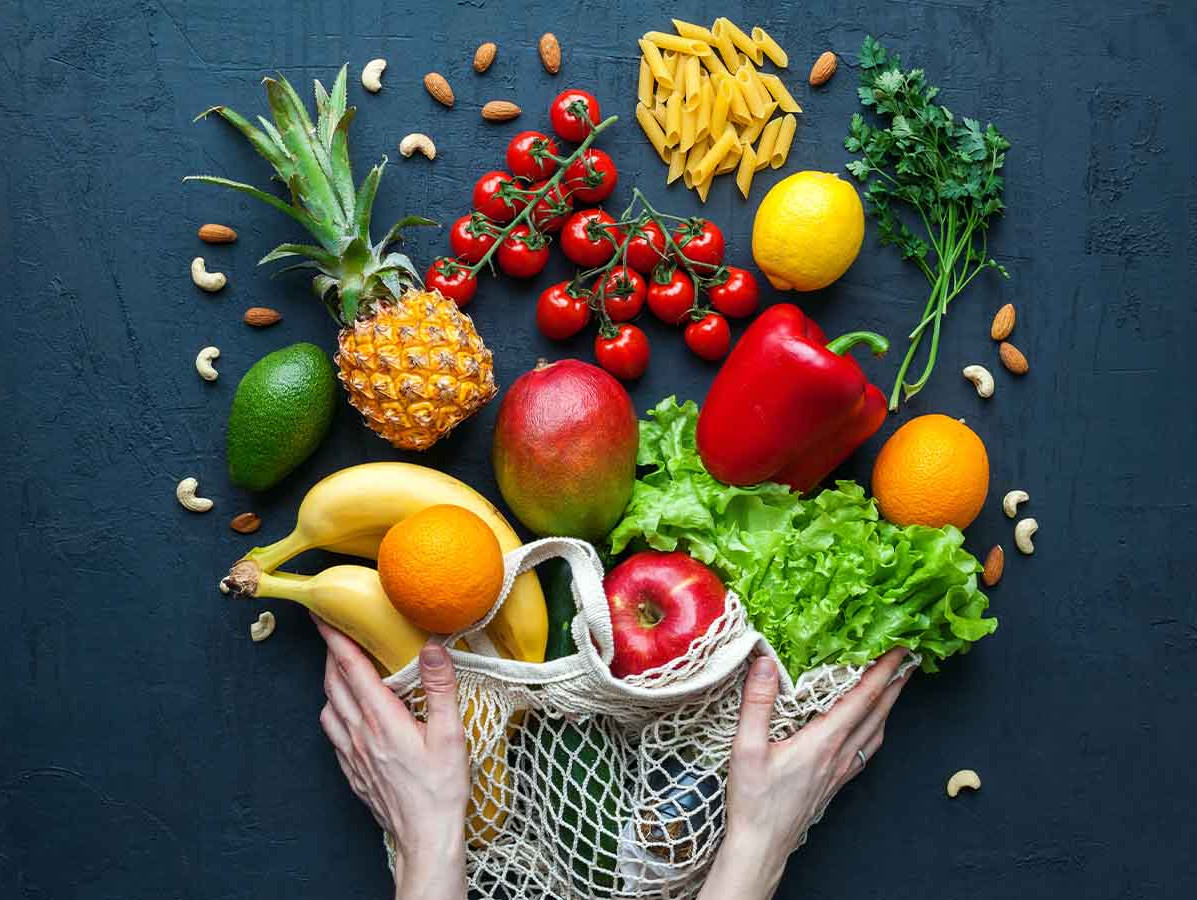
Living healthier? Many Dutch people say they are. At least, that’s what they claim. In the supermarket, though, the wallet often wins over good intentions. The latest Motivaction survey shows that nearly half of the population has actively worked on a healthier lifestyle in the past six months. Still, rising prices, special offers, and brand perceptions play a major role in what ends up in the shopping basket.
The share of self-declared vegetarians has risen from 10 to 13 percent. Vegans increased from 5 to 8 percent. Positive numbers, although official statistics from WUR and Wakker Dier don’t reflect this yet. Scanner data from supermarkets, foodservice, and catering, however, do point to a decline in meat sales.
“We expect the trend in the different sources to become more consistent in the coming years, with the main message being a significant decline in meat consumption,” says Ruurd Hielkema, principal research consultant at Motivaction.
Ultra-processed foods (UPF) are getting more attention. 24 percent of Dutch consumers now know reasonably well what it means, up from 18 percent last year. Ready-made meals and sauces in packets and sachets are, for many, the prime examples of UPF.
Over eight in ten people familiar with the term see it as (quite) dangerous. The concerns? Mainly obesity, diabetes, cardiovascular disease, and cancer. And reactions are strong: “It’s filler, not food” and “Chemical and synthetic additives and therefore ultimately disease-causing” leave little room for nuance.
Special offers determine what more than half of consumers take home. A quarter regularly crosses the border for groceries. And over a third expects to change their eating habits in the next twelve months because of high food prices.
Twenty percent say they boycott American products, but only six percent do so consistently. Meanwhile, ‘prepping’ is on the rise: 36 percent of Dutch consumers now keep an emergency food supply at home.
Source: Motivaction
Magazine Voedingsindustrie has been made possible in part by:



© COPYRIGHT 2026 VOEDINGSINDUSTRIE | ALLE RECHTEN VOORBEHOUDEN
Powered by Wallbrink Crossmedia © 2026