
Meat production in Germany shifted in the first half of 2025. More pigs in the slaughterhouses, fewer cattle. The overall volume barely changed, but the proportions shifted noticeably. This is according to preliminary figures from the German statistical office Destatis.
Nearly 3.4 million tons of meat were produced in the first six months of this year. That is just a fraction less than in the same period of 2024: down 0.1%, or 1,900 tons. Slaughterhouses processed 23.9 million pigs, cattle, sheep, goats and horses. In addition, 346.1 million chickens, turkeys and ducks were slaughtered.
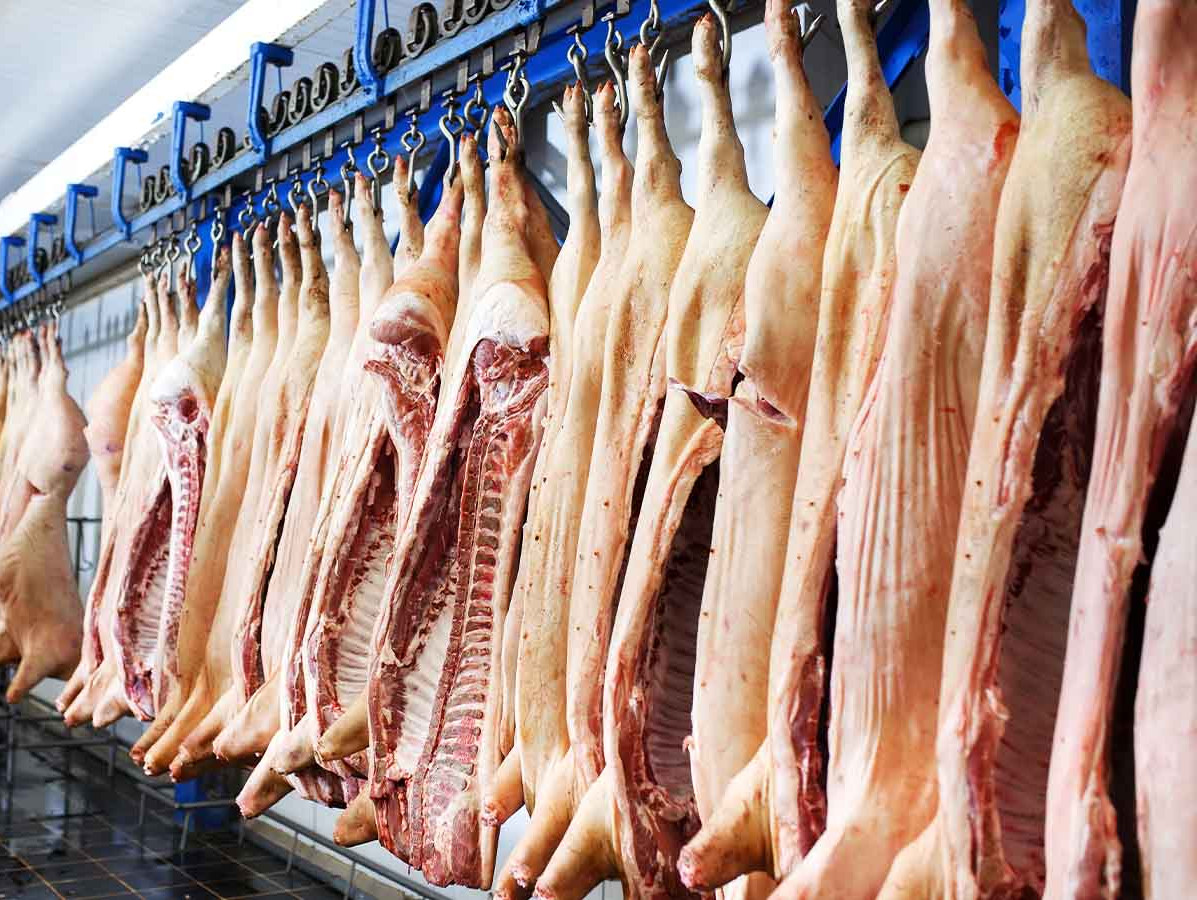
A total of 22.1 million pigs were slaughtered, 0.7% more than last year. Almost all of them came from domestic farms: 98.2%, or 21.7 million animals. That is a 2.3% increase compared to 2024. The number of foreign-origin pigs fell sharply, down 44.8%, to 406,000. This resulted in 2.1 million tons of pork, an increase of 1.8% or 38,100 tons year-on-year.
The picture was very different for beef. Production dropped to 462,200 tons, a fall of 7.2%. Some 1.4 million cattle were slaughtered, 7.9% fewer than last year. On average, the animals were slightly heavier: 339.6 kilos per carcass. Poultry production, meanwhile, remained almost unchanged, totaling 779,900 tons, 0.1% less, although the number of slaughtered birds increased slightly.
Pork remains the heavyweight in German meat production at 63.2%. Poultry follows at 23.0% and beef at 13.6%. Sheep, goats and horses together account for just 0.3% of the total.
Source: Destatis
Magazine Voedingsindustrie has been made possible in part by:



© COPYRIGHT 2026 VOEDINGSINDUSTRIE | ALLE RECHTEN VOORBEHOUDEN
Powered by Wallbrink Crossmedia © 2026





