
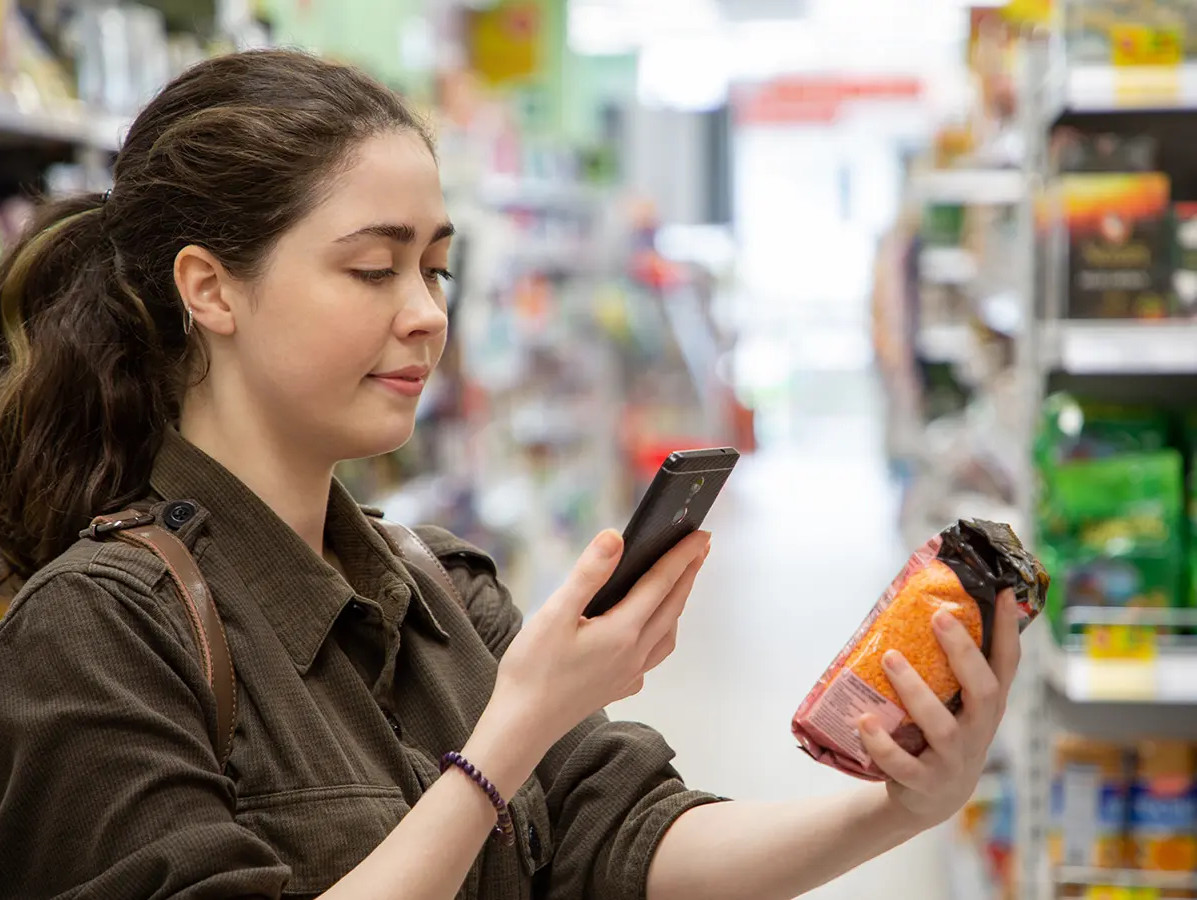
The Millennial generation is putting a clear mark on the food market. Raised in a period of rapid digital growth and global influence, they view food differently from previous generations. Food needs to serve a purpose. For their health, their mood, the planet — and preferably all at once. That’s shown in research by Innova Market Insights.
It’s no surprise that health and food safety rank high on their list. Many Millennials deal with stress or worries, and it shows in the choices they make. They want food that feels safe, with clear information on where it comes from and how it’s produced. More than 80% actively looks for details on product safety and quality. And sustainability? That remains an important theme. 45% even considers it very important when buying food and drinks. It’s about reducing waste, ensuring better animal welfare and supporting local farmers.
Food shouldn’t only taste good. It should also support their wellbeing. Millennials link food to their overall health: physical, mental, hormonal — everything plays a role. Protein, probiotics and “clean” ingredients score well for that reason. Sleep, in particular, gets a lot of attention. It’s the main health concern they try to address through food. Companies respond with products containing sleep-supporting ingredients.
Millennials also look for foods that help manage their mood. Not necessarily comfort food as older generations know it, but healthier options that still bring a sense of calm. By cooking at home or choosing functional foods more deliberately, they feel more in control of their wellbeing.
Simple ingredients are on the rise. Two out of three Millennials trust familiar, straightforward ingredients more than complex ones. And 72% believes that more natural products fit better with long-term health. Plant-based aligns with that mindset: 56% chooses fully plant-based options because they feel healthier, although some still question the nutritional value.
And technology? It runs through their eating habits in countless ways. 34% tracks their diet. 25% uses tech tools to manage what they eat. And then there’s AI: 19% uses it for recipes, 18% for meal planning.
Source: Innova Market Insights
Magazine Voedingsindustrie has been made possible in part by:



© COPYRIGHT 2026 VOEDINGSINDUSTRIE | ALLE RECHTEN VOORBEHOUDEN
Powered by Wallbrink Crossmedia © 2026