Lidl Nederland is launching a pilot that takes a different approach to food waste. As the first supermarket in Europe, the chain is converting unsellable food into circular animal feed. This shifts the role of residual streams from waste to a valuable raw material. The approach is expected to prevent 10 million kilos of food waste annually.
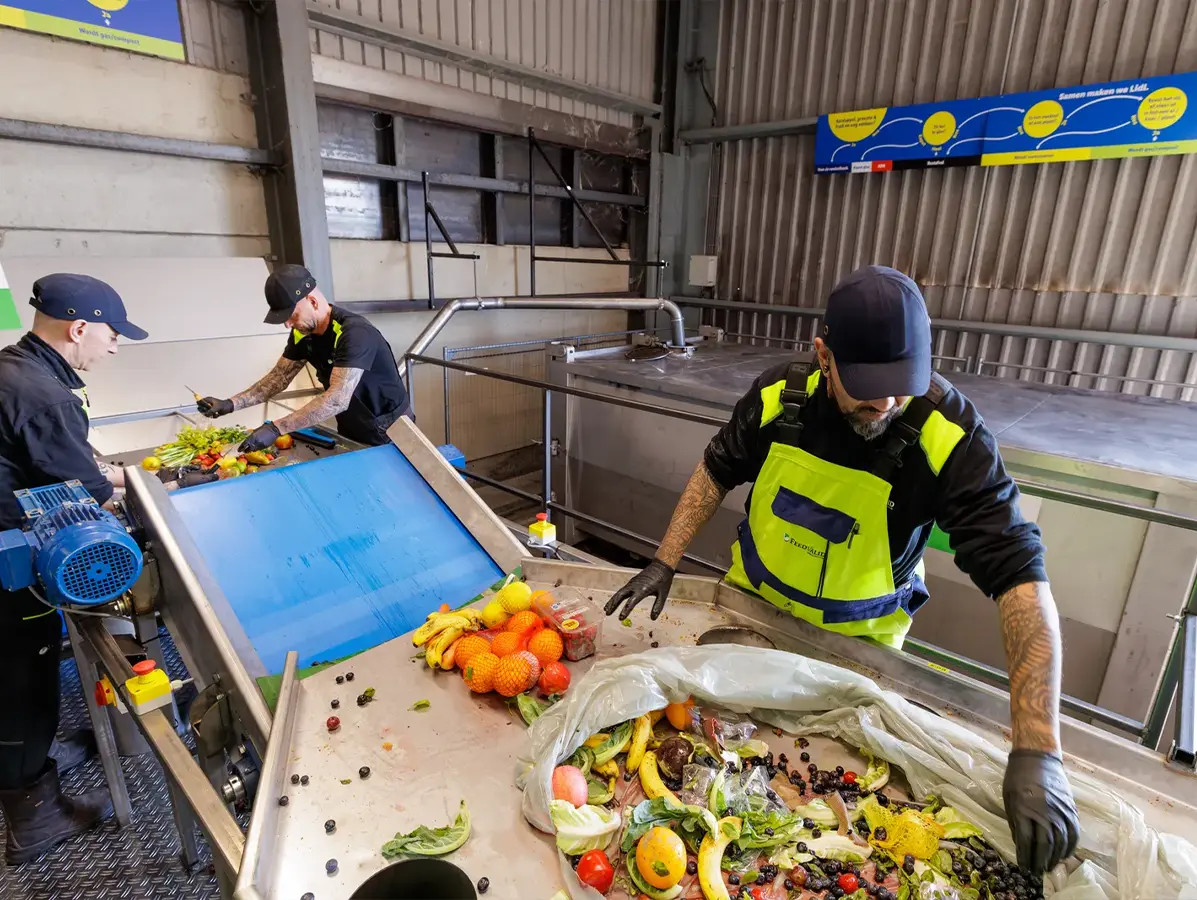
Ten Lidl stores will collect unsold products separately over a four-week period. These are products that can no longer be sold and are not suitable for the Voedselbank. This includes vegetables, fruit, meal salads, and grain products. These streams are normally processed through anaerobic digestion for biogas production. In the pilot, FeedValid processes them into circular animal feed. Lidl and FeedValid jointly safeguard quality and assess the process against food safety requirements.
By processing residual streams into high-quality animal feed, they gain a new purpose. At the same time, dependence on traditional raw materials such as soy and corn is reduced. This lowers the pressure on agricultural land. Lidl expects this approach to prevent 10 million kilos of food waste each year. That is equivalent to more than 330 fully loaded trucks.
The pilot is carried out in coordination with the NVWA and the Ministry of LVVN. Sister company PreZero is also involved, providing input and advice on source separation and post-separation. “Food safety is the foundation, but impact is what drives us,” says Esmée van Veen, Sustainability Manager at Lidl. “By combining our efforts with FeedValid’s expertise, we transform residual streams that previously went unused into high-quality animal feed. Together, we show that system change in the supermarket sector is truly possible.”
The pilot aligns with Lidl’s ambition to reduce food waste by 50% by 2030 compared to 2018.
Source: Lidl
Magazine Voedingsindustrie has been made possible in part by:


© COPYRIGHT 2026 VOEDINGSINDUSTRIE | ALLE RECHTEN VOORBEHOUDEN
Powered by Wallbrink Crossmedia © 2026