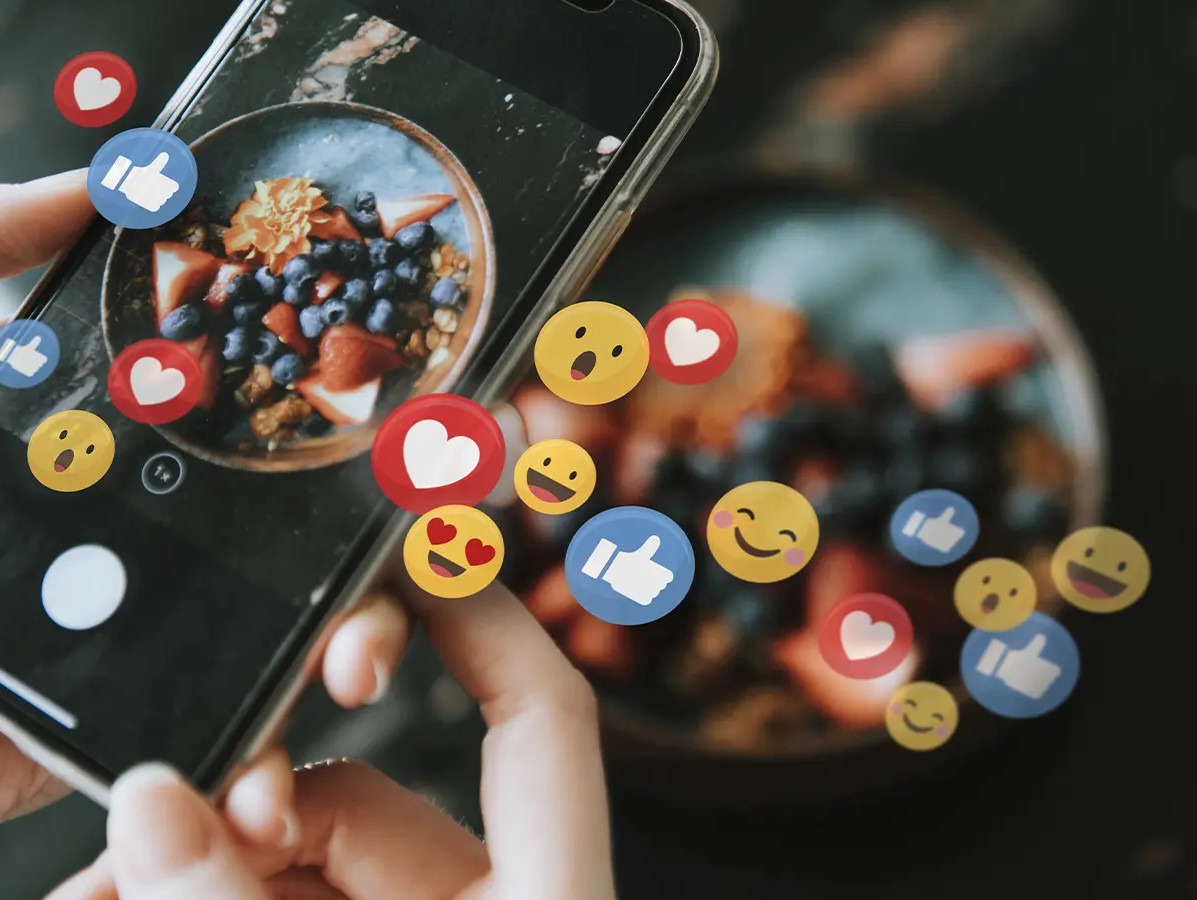
The Dutch Food and Consumer Product Safety Authority (NVWA) has examined how influencers handle claims when promoting food products. Analysis of Instagram posts shows that prohibited claims also appear among influencers who have demonstrably received formal training, with a certificate.
In 2025, the NVWA investigated the use of claims by influencers on Instagram. The study focused on fifteen influencers who hold a certificate in influencer marketing. This certificate is an initiative of the DDMA, the Advertising Code Committee, and the Association of Advertisers. With the certificate, influencers demonstrate that they are familiar with the rules for online promotion. The certificate is valid for one year and must be renewed thereafter.
Between June and August, the NVWA reviewed 41 Instagram posts. In these posts, influencers promoted dietary supplements and other food products, including fish oil, protein powders, oatmeal products, butter, and crackers. Prohibited claims were found in 23 of the 41 posts. Ten of the fifteen influencers made mistakes in this regard.
The NVWA identified medical claims in the posts of two influencers. Medical claims relate to the prevention, treatment, or cure of diseases and are always prohibited for food products. For example, some posts claimed that a product could help fight inflammation or reduce the risk of disease.
Additionally, eighteen posts contained prohibited health claims. Health claims must be scientifically substantiated and approved by the European Union. Nevertheless, influencers made statements about positive effects on the prostate, increased energy, or weight loss. Claims regarding the speed or extent of weight loss are not permitted.
Mistakes were also found in nutritional claims. In five posts, the NVWA discovered nutritional claims that did not meet European requirements. A nutritional claim must correspond to the product’s actual composition. For example, the claim “high in protein” was used for a product that did not meet that standard.
The NVWA emphasizes that this investigation was intended to gain insight into compliance with the rules. No enforcement action was taken. The results have been shared with the DDMA. The authority indicates that it will continue monitoring and may take enforcement action in future investigations.
Source: NVWA
Magazine Voedingsindustrie has been made possible in part by:


© COPYRIGHT 2026 VOEDINGSINDUSTRIE | ALLE RECHTEN VOORBEHOUDEN
Powered by Wallbrink Crossmedia © 2026