
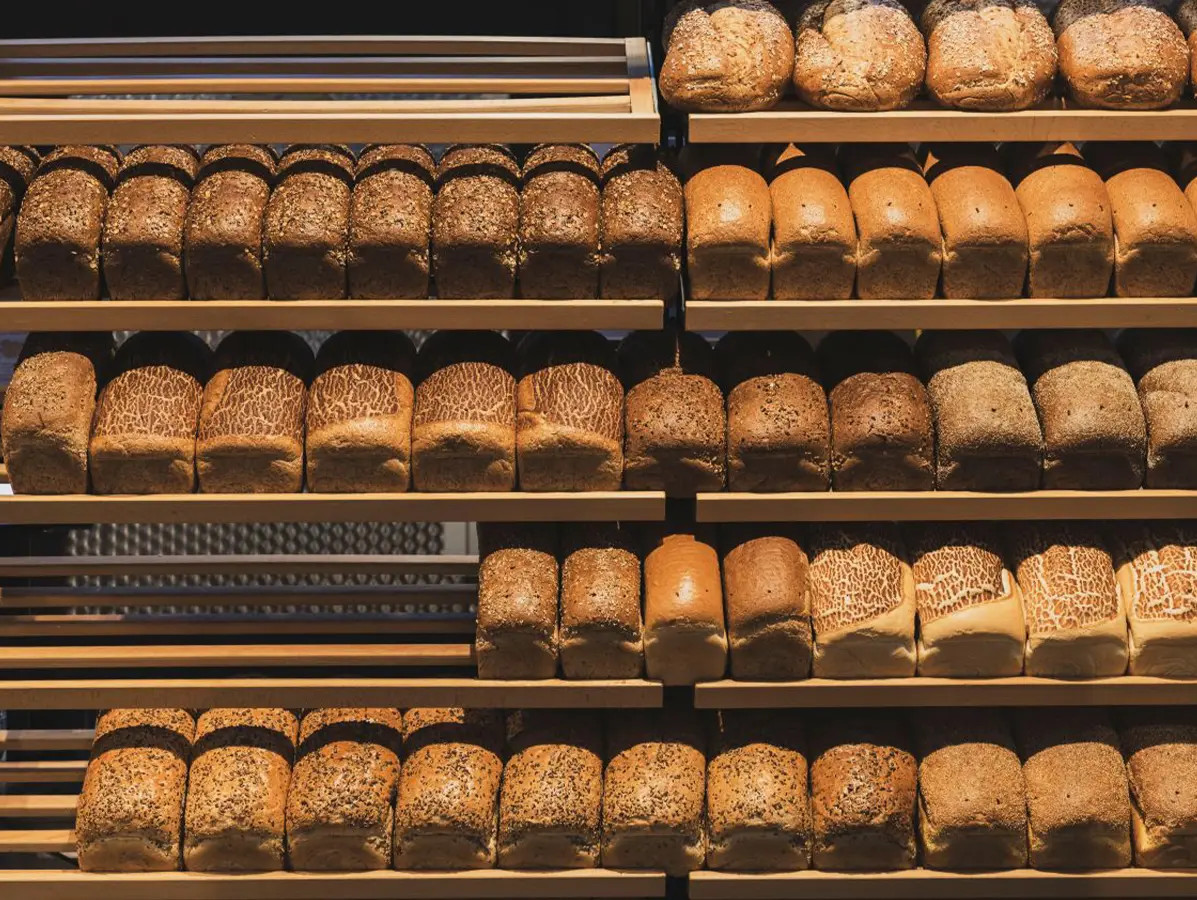
The industrial bakery sector is making solid progress in cutting waste — and it’s paying off. According to the 2024 monitor, the percentage of returned bread has dropped to 4.4%. In 2020, that figure was still 8%. A 45% reduction in five years – quite a step forward.
The Dutch Association for the Bakery (NVB) measures food waste every year. The figures are based on reports from 22 bakeries, representing 80% of the bread market and 74% of the pastry market. Monitoring helps pinpoint where residual streams arise: during production, from excess dough, or through returns from supermarkets.
All data are recorded using a sector-specific template developed together with Wageningen University & Research (WUR), which also analyses the results. This gives bakeries a clear view of where improvements can be made.
The monitor shows that halving return flows is within reach. This progress is driven by initiatives such as “yesterday’s bread,” longer shelf life, and improved demand forecasting. According to the Dutch Bakery Centrum, this reduction has had no impact on bread sales or market development.
“Bread is still one of the most wasted products,” says Toine Timmermans, director of Together Against Food Waste. “This monitor shows exactly where losses occur and where the sector needs to focus its efforts. And it pays off. Returns have been successfully reduced for the fifth consecutive year and are now almost cut in half.”
Dough waste during the baking process has declined slightly, now standing at 1.5%. Bread waste within the bakery itself has increased marginally, while in the pastry category losses remain at 4.5% without a structural decrease yet. The sector is focusing on better coordination with customers, reducing dough losses, and smarter product design.
Notably, this year marks the first time members of NVB and the Association for the Bakery- and confectionery industry (VBZ) have worked together. By sharing knowledge and experience, they aim to strengthen each other’s efforts.
“We’re pleased with the large group of participants in the monitor and the consistent downward trend in returns,” says NVB director Wim Kannegieter. “It’s clear that production losses remain a key focus. In the coming year, we’ll work toward achieving the 50% reduction target by 2030.”
Source: Samen Tegen Voedselverspilling
Magazine Voedingsindustrie has been made possible in part by:



© COPYRIGHT 2026 VOEDINGSINDUSTRIE | ALLE RECHTEN VOORBEHOUDEN
Powered by Wallbrink Crossmedia © 2026