
Rising fertilizer prices could ripple through the food chain later this year. This affects not only farmers, but also processors, buyers, and consumers. According to WUR researcher Bart de Steenhuijsen Piters, the current price increase once again shows how vulnerable the food system is to international shocks.
Fertilizer production requires a large amount of energy. This often involves natural gas or oil. Natural gas is also a key raw material for fertilizer. Around one-fifth of global fertilizer production takes place in the Middle East, where gas is relatively inexpensive.
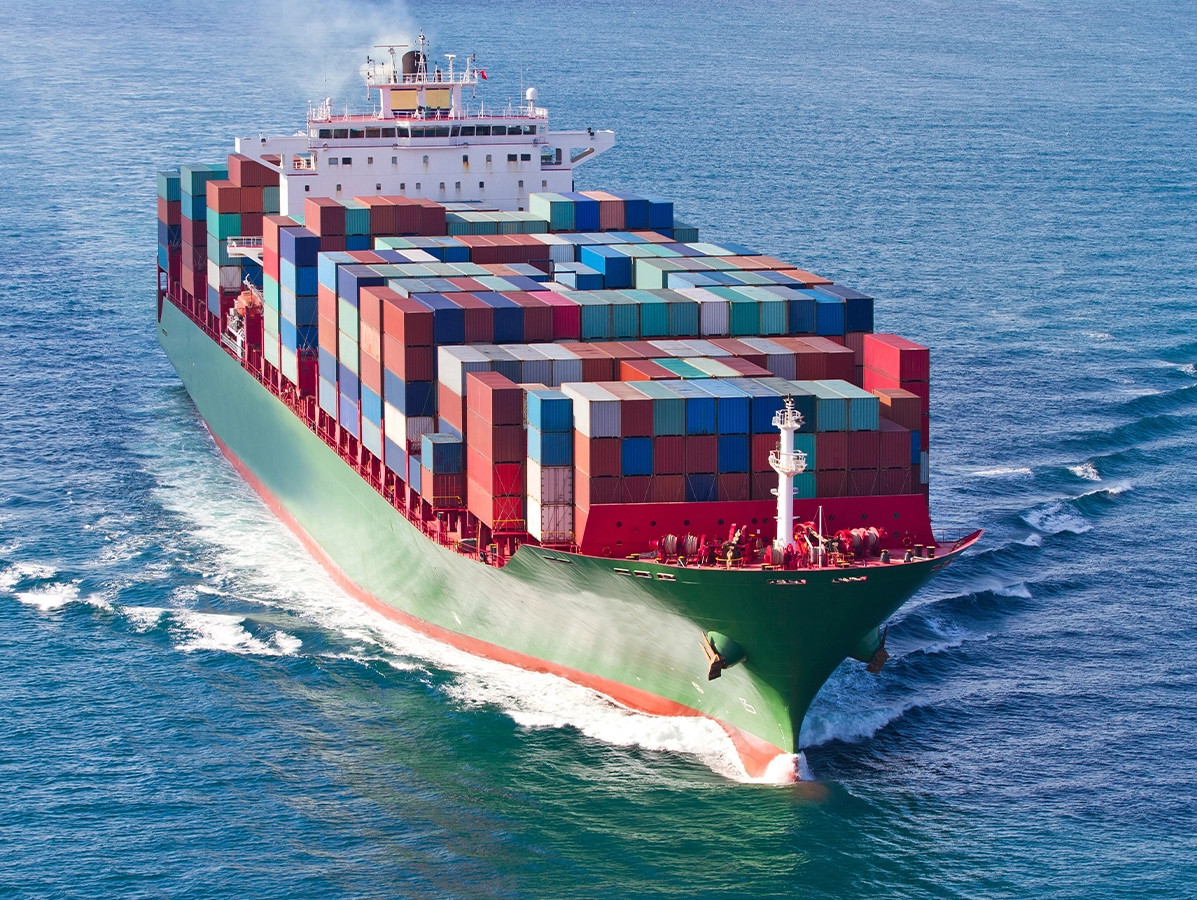
That fertilizer is typically traded via the Strait of Hormuz, between Iran and Oman. That trade has now come to a halt. At the same time, global production is becoming more expensive as gas prices rise. Since the attack by the US and Israel on Iran, the price of urea has increased to $600 per ton. That is roughly sixty percent higher than the usual price.
According to De Steenhuijsen Piters, farmers have two options. They can buy more expensive fertilizer and pass on the cost. Or they can use less fertilizer. In Europe, those higher costs are often reflected in product prices. This leads to higher food prices in supermarkets.
The impact is not immediately visible. There are still stockpiles of fertilizer available worldwide. These will be used first. Only later in the year could the effects become more significant, when inventories need to be replenished at much higher prices. According to De Steenhuijsen Piters, it is plausible that speculation also plays a role. “Er zijn handelaars die aan deze crisis verdienen.”
The COVID-19 crisis, the war in Ukraine, and the current disruption together form the third shock in six years, according to De Steenhuijsen Piters. “Ons voedselsysteem zou weerbaarder moeten worden tegen dit soort schokken.” The system is currently geared primarily toward maximum efficiency and low prices.
According to De Steenhuijsen Piters, intensive livestock farming in the Netherlands is particularly sensitive. It depends heavily on imports of low-cost feed and exports of low-cost meat and dairy. If something goes wrong there, that vulnerability quickly becomes visible.
Source: WUR
Magazine Voedingsindustrie has been made possible in part by:



© COPYRIGHT 2026 VOEDINGSINDUSTRIE | ALLE RECHTEN VOORBEHOUDEN
Powered by Wallbrink Crossmedia © 2026