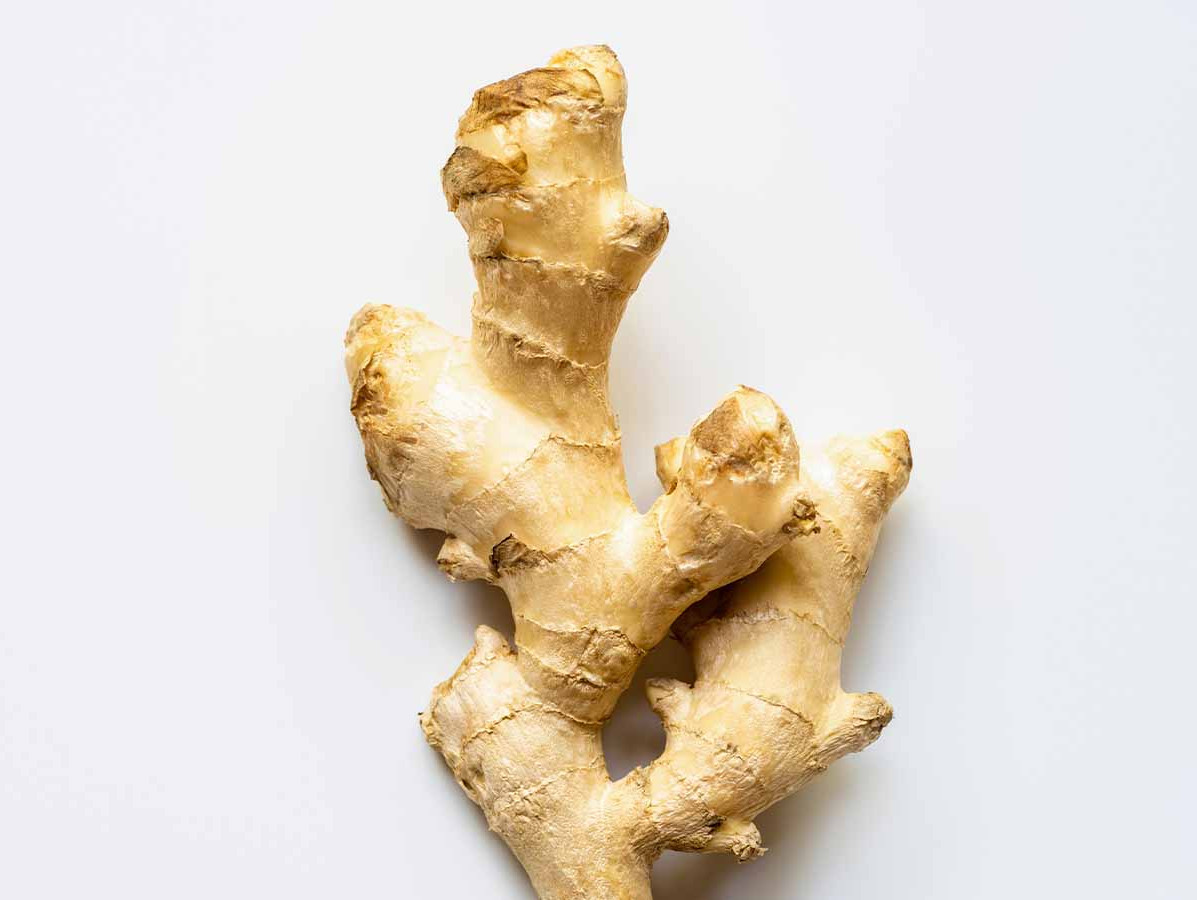
Starting 4 August, fresh ginger imported from non-EU countries will be routinely sampled, whether or not any symptoms are visible. The Dutch Food and Consumer Product Safety Authority (NVWA) has instructed inspection body KCB to begin this process. The reason? The bacterium Ralstonia pseudosolanacearum has been found in several shipments.
This bacterium can cause brown rot. Until now, ginger was only tested when visible symptoms were present. But research shows that’s not always sufficient. Around 13% of the tested shipments turned out to be contaminated—some of them without showing any outward signs.
That’s why random sampling is now mandatory, even when there are no signs of infection.
What happens once a sample is taken? It’s sent to the NIVIP laboratory for a rapid PCR test. Results usually come in within three working days. If the bacterium is detected, an additional test is carried out to confirm whether it’s actually Ralstonia pseudosolanacearum. That result typically takes around ten working days.
There are three possible outcomes:
PCR negative: the shipment is cleared for release.
PCR positive: the bacterium has been detected and will be identified at species level.
Positive identification: the shipment must be returned, destroyed, or transported out of the EU.
The costs for sampling and testing? Those are billed to the declarant.
Ginger won’t be the only product affected. Fresh turmeric from non-EU countries will also be subject to sampling at a later stage. More information will follow.
Source: NVWA
Magazine Voedingsindustrie has been made possible in part by:



© COPYRIGHT 2026 VOEDINGSINDUSTRIE | ALLE RECHTEN VOORBEHOUDEN
Powered by Wallbrink Crossmedia © 2026