
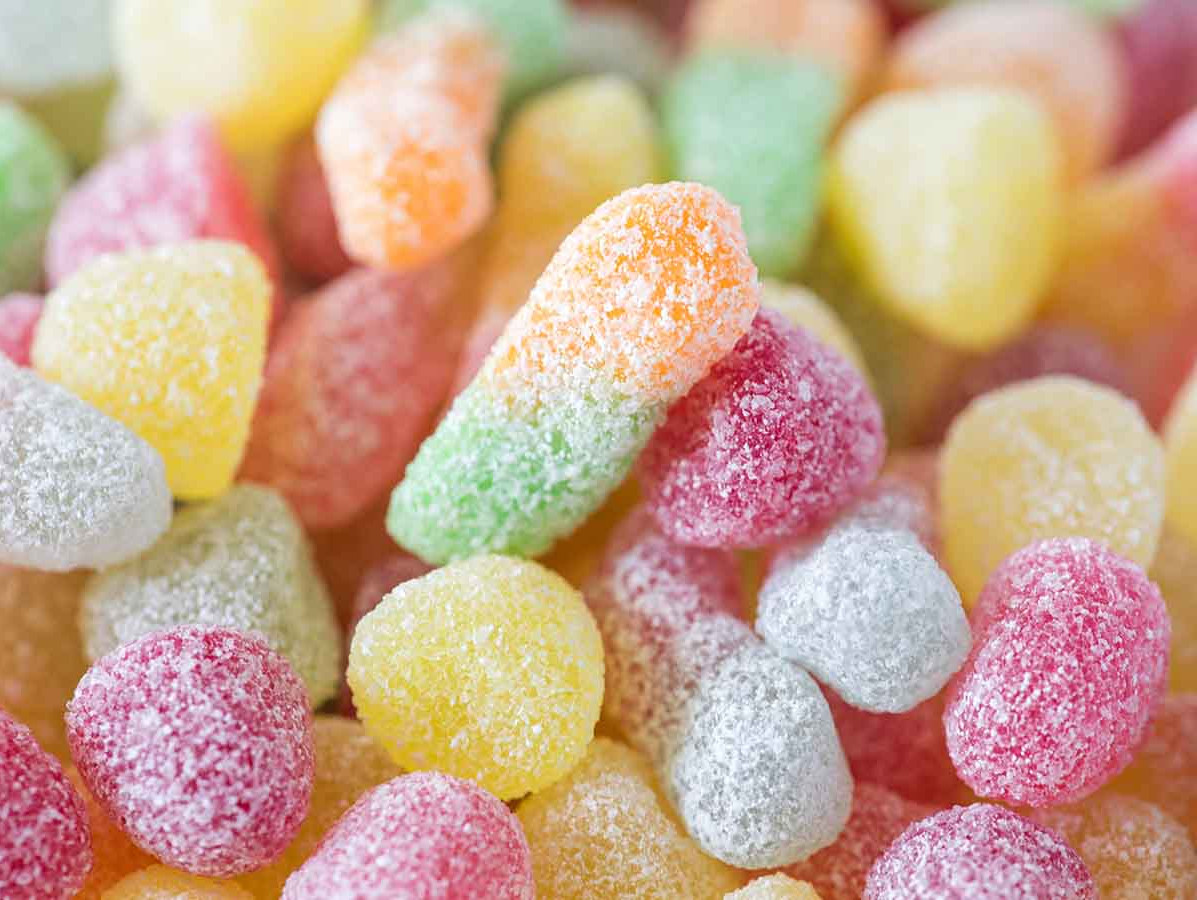
Synthetic food colorants are losing favor. More and more producers are opting for natural alternatives, not only because of stricter regulations, but also because consumers are increasingly asking for them. And for those looking ahead, biotechnology could play a central role in that shift.
For more than a century, synthetic colorants have brightened our sweets, soft drinks and baked goods. Bright, stable tones, and cheap. But in 2007, things took a turn. The Southampton study linked certain artificial colorants to hyperactivity in children. As a result, products containing these substances in the EU must now carry a warning label.
The momentum has continued. In the US, the FDA aims to phase out colorants such as Red 3. California has already banned them from school meals. This puts pressure on the industry to move towards natural alternatives.
Many natural colorants are derived from plants or insects. Sounds promising, but in reality they often contain less than one percent pigment. That makes extraction costly and inefficient. It can also bring along unwanted compounds, such as nitrates or the earthy smell caused by geosmin.
Fermentation takes a different route. Riboflavin (yellow) is now produced largely via micro-organisms. Research by Irina Borodina shows that betalains from yeast fermentation can cut land use and CO₂ emissions by up to 90 percent compared to beet extraction.
Another advantage: fermentation delivers the same quality every time. No seasonal fluctuations or unpredictable harvests. By optimising yeast, even rare pigments become feasible. Such as amaranthine from amaranth flowers, or the vivid magenta of dragon fruit.
“It begins with identifying the right enzymes and fine-tuning the yeast to channel as much feedstock as possible into producing the desired color,” says Borodina.
And it doesn’t stop at food. The same techniques are also being applied to bio-based indigo, a more sustainable option for denim production.
Source: European Research Council
Magazine Voedingsindustrie has been made possible in part by:



© COPYRIGHT 2026 VOEDINGSINDUSTRIE | ALLE RECHTEN VOORBEHOUDEN
Powered by Wallbrink Crossmedia © 2026





