
Between 2015 and 2023, food waste in the Netherlands decreased by 17%, according to the latest Monitor Voedselverspilling. Minister Wiersma (Agriculture, Fisheries, Food Security and Nature in The Netherlands) shared the figures with Parliament. The Ministry, in cooperation with Samen Tegen Voedselverspilling (STV, 'Together against food waste') and the Voedingscentrum, continues efforts to reduce waste by 50% by 2030.
Despite progress, around 20% of all food still goes uneaten. That means lost resources, energy, and labour. Minister Wiersma highlights the imbalance: “We expect farmers to use nutrients efficiently, yet we discard large amounts of good food ourselves. That has to change.”
STV works with supermarkets and producers to promote behavioural change throughout the supply chain. Over 130 companies now use a self-monitoring tool. The Voedingscentrum backs these efforts with public campaigns and tools like the “Bewaarwijzer”, helping consumers store food more effectively.
The annual Verspillingsvrije Week (8–14 September) aims to raise awareness. In 2023, 2,271 kilotons of food were wasted—equivalent to about 86 million meals per week. While results are promising, more action is needed to reach the 2030 target.
Processing and manufacturing stages account for roughly a third of the waste. The minister calls on businesses in this sector to join STV and embrace more transparency and accountability.
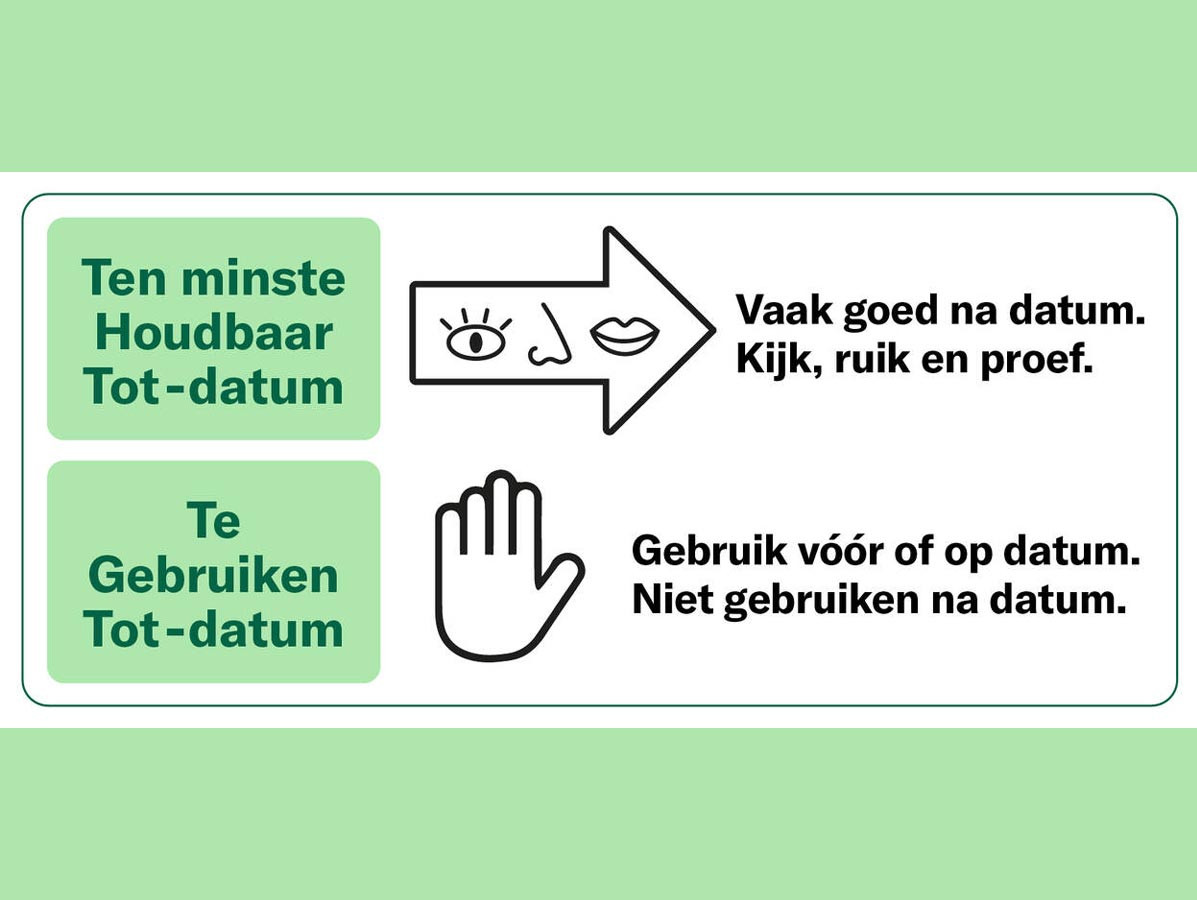
A major cause of food waste is confusion around expiry dates. An estimated 60 million kilos of edible food are discarded each year due to misunderstanding these labels. The Coalitie Houdbaarheid, involving supermarkets and producers, is addressing this with “look-smell-taste” icons now visible on more than 3,500 products.
Wageningen University & Research is developing tools to minimise losses during or after harvest. There is also a focus on reusing surplus products, such as turning waste streams into animal feed.
To support food aid organisations, the government provides funding to STV to build supply chain partnerships. This ensures that surplus or rejected products can still be distributed to people in need—reducing waste and supporting food security at the same time.
Read the article here: Rijksoverheid.nl
Source: Rijksoverheid; Beeld: © Samen Tegen Voedselverspilling
Magazine Voedingsindustrie has been made possible in part by:



© COPYRIGHT 2026 VOEDINGSINDUSTRIE | ALLE RECHTEN VOORBEHOUDEN
Powered by Wallbrink Crossmedia © 2026