
The food sector has once again tightened the rules for marketing to children and young people. With the updated Reclamecode voor Voedingsmiddelen, the sector imposes stricter agreements on itself, both online and offline. The aim is to limit advertising for less healthy products and to strengthen responsible marketing practices.=
The Reclamecode voor Voedingsmiddelen has been in place since 2005 and applies to everyone who markets packaged food and beverages in the Netherlands. The code has been tightened several times over the years. For example, since 2019 the use of well-known animated characters in advertising has been prohibited.
FNLI has presented the tightened code to State Secretary Tielen for Youth, Prevention and Sport. With this step, manufacturers agree among themselves to comply with stricter rules for marketing directed at children and young people up to the age of sixteen. These agreements apply to all advertising activities, both offline and online.
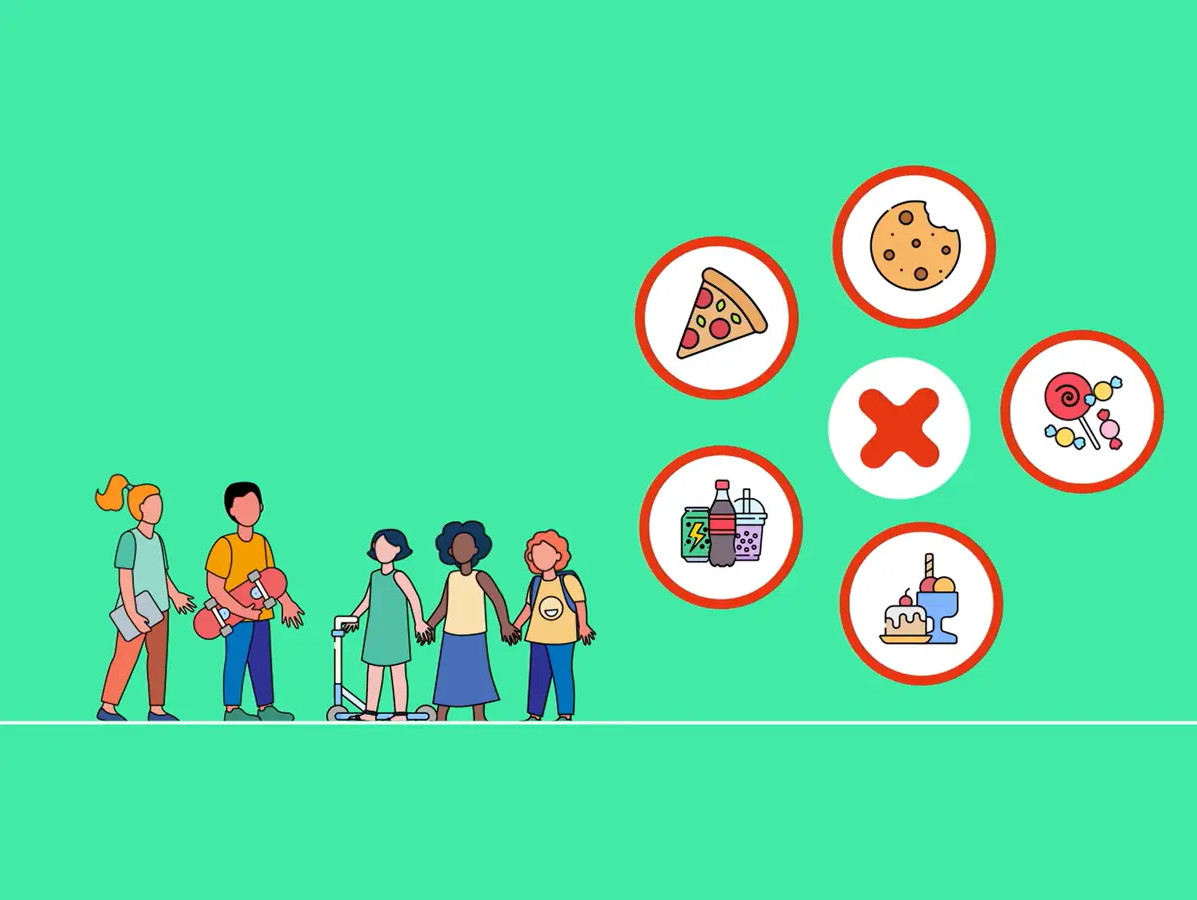
Under the new tightening, advertising for food products directed at children up to the age of thirteen is fully excluded. For young people aged thirteen to sixteen, advertising is only permitted for products that meet strict nutritional criteria. In practice, this means that no advertising is directed at this age group for less healthy products such as cookies, candy, ice cream, sugar-rich desserts, pizza, and sugar-sweetened soft drinks. This represents an expansion of approximately 600,000 young people for whom advertising campaigns will no longer be targeted.
FNLI Director Cees-Jan Adema states: “Advertising for less healthy products requires extra care when it comes to children and young people. We are proud that, with this tightening of the rules, we as the food sector are taking the lead ourselves and demonstrating our responsibility.”
In addition to age limits, the sector is introducing further restrictions in the physical living environment. Within sight of schools and childcare locations, advertising may no longer be displayed for food products that do not meet the stricter criteria. Online, food companies preferably work with certified influencers who can demonstrably show they are familiar with the applicable advertising rules.
Compliance with the code is supported through structural monitoring by the Stichting Reclame Code. Training programs are also offered, and communication efforts are used to support companies. In addition, it will be possible to have campaigns reviewed in advance. The tightened code will take effect on 1 February 2026. Companies will have until 1 February 2027 to adapt existing advertising materials and ongoing contracts.
Source: FNLI
Magazine Voedingsindustrie has been made possible in part by:



© COPYRIGHT 2026 VOEDINGSINDUSTRIE | ALLE RECHTEN VOORBEHOUDEN
Powered by Wallbrink Crossmedia © 2026