
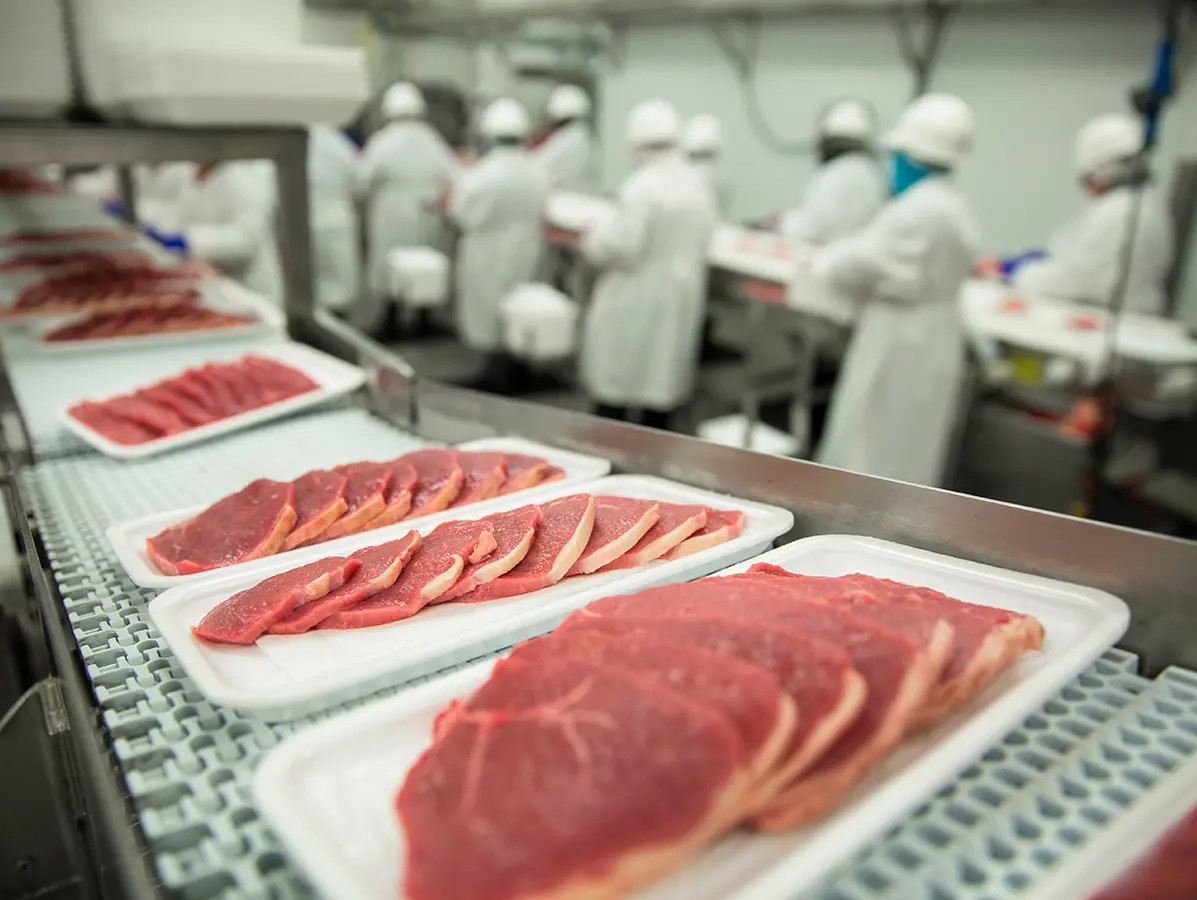
The Dutch food industry is caught between rising labour costs and a shortage of workers. Automation helps to some extent, but according to ABN AMRO’s Stand van Food, people remain the real key to growth. Quite literally, nothing moves without them.
Wages have increased significantly in recent years. Companies feel it immediately, since labor accounts for roughly seventeen percent of total costs. Yet while wages go up, productivity has barely improved. According to CBS, 34 percent of companies in the sector see staff shortages as the biggest obstacle to growth. The growth that did occur mainly came from putting in more working hours. But labor is becoming scarcer and more expensive — and that model is reaching its limits.
Since 2014, the food industry’s workforce has aged considerably. Older employees now make up 23.9 percent of the total, while only 13.4 percent are under 25. Both figures are less favorable than the national average. And although labor market tightness has eased slightly, unemployment remains low at four percent. At the same time, political parties are considering stricter labor migration policies, which could further reduce the inflow of workers. Many processes in the sector are also difficult to automate, meaning demand for labor will remain structurally high.
ABN AMRO identifies employee wellbeing as the main lever for growth. Companies that invest in health, safety, and a better work-life balance manage to retain their staff for longer. The sector made modest progress last year, particularly in workplace safety. Still, there is work to be done in areas such as personal development and vitality.
Employers who keep their people satisfied save on recruitment costs and retain valuable knowledge. Content employees are also less likely to call in sick and tend to be more productive. And those looking to attract young professionals need to show there’s room to learn, grow, and feel good at work. In the end, people remain the driving force of the Dutch food industry.
Source: ABN Amro
Magazine Voedingsindustrie has been made possible in part by:



© COPYRIGHT 2026 VOEDINGSINDUSTRIE | ALLE RECHTEN VOORBEHOUDEN
Powered by Wallbrink Crossmedia © 2026