
Plant-based eating is gaining a fixed place in the Dutch dietary pattern. De Vegetariërsbond identifies five veg trends for 2026 in vegetarian and vegan food. The insights are based on the annual Vegamonitor by Panelwizard, supplemented with data from the V-Label and daily market observations. The five trends:
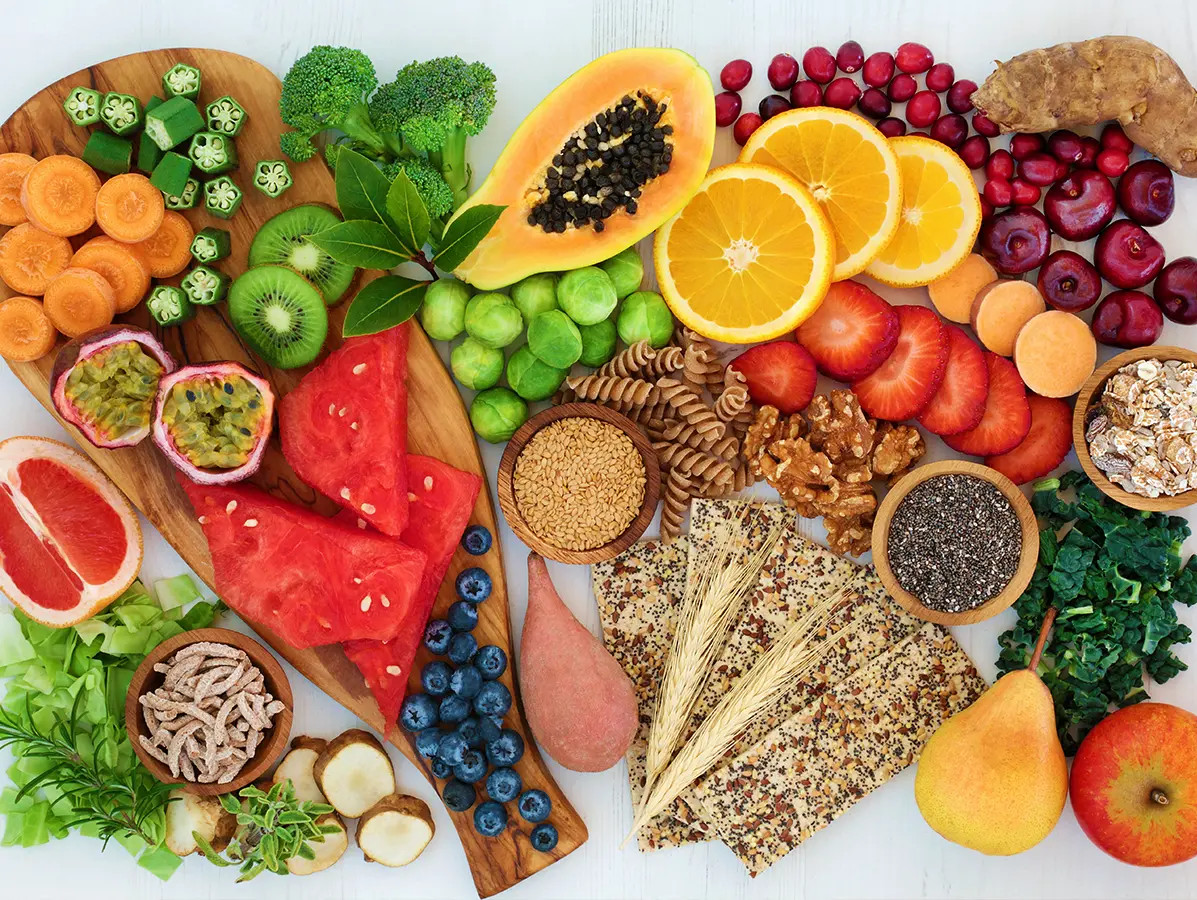
Fibremaxxing is a relatively new trend that has become visible mainly through social media. The focus is on fiber-rich foods because of their satiating effect. Because dietary fiber occurs exclusively in plant-based products, the trend is vegetarian by definition. The emphasis on fiber responds to the perception that vegetarian meals do not always provide sufficient satiety. Dietitians view this development positively, as many Dutch consumers eat less fiber than recommended by the Voedingscentrum. De Vegetariërsbond points out that the rise in colorectal cancer among young people may bring additional attention to this trend.
The number of Dutch consumers who identify as vegetarian or vegan continues to increase. Motivaction reported in 2025 that 13 percent of the Dutch population is vegetarian, compared with 9 percent in 2023. The share of vegans rose from 5 to 8 percent over the same period. The Vegamonitor shows that 14.3 percent of consumers actively choose vegetarian products when grocery shopping, while 5 percent specifically look for vegan products. Young people eat vegetarian meals twice as often as those aged sixty and over.
Growing hesitation toward heavily processed foods is increasing interest in relatively pure plant-based alternatives such as tofu and tempeh. Retailers and producers already noted this development in 2025. “We see our customers increasingly opting for a vegan alternative,” said Romke Spierdijk, spokesperson for online supermarket Picnic, in Distrifood. “The segment around tofu, seitan, and tempeh in particular is growing strongly.” Acceptance varies by region and is higher among younger consumers.
The market for dietary supplements has been growing by more than 7 percent per year for several years. Within that segment, the share of plant-based supplements is increasing. According to CBS figures from 2025, more than 60 percent of Dutch consumers attach importance to the sustainability of health products. Supplements are mainly purchased by consumers who are consciously engaged with food and health. The popularity of supplements in gummy form is also rising.
At gatherings and events, plant-based food is increasingly seen as the standard option. This is partly because many people follow their own dietary patterns. Plant-based dishes are suitable for a wide range of groups, including vegetarians, vegans, people with religious dietary rules, and consumers with allergies or intolerances. For that reason, organizers are increasingly opting for a broad plant-based offering.
Source: Vegetariërsbond
Magazine Voedingsindustrie has been made possible in part by:



© COPYRIGHT 2026 VOEDINGSINDUSTRIE | ALLE RECHTEN VOORBEHOUDEN
Powered by Wallbrink Crossmedia © 2026