
Salmon is an important product within the Dutch fish supply chain. Processors and retailers make extensive use of certification schemes such as ASC and GGN. These labels play a role in procurement, positioning, and communication. New research by foodwatch raises questions about the level of transparency within these certification systems.
In practice, the origin of farmed salmon proves difficult to trace. Codes on packaging usually lead to a supplier or processor, not to a specific farm. Foodwatch examined eight salmon products from Albert Heijn, Lidl, and Jumbo. In three cases, one specific farm could ultimately be identified. For three products, that information was not available at all.
Even when a farm is known, additional information remains limited. Data on mortality rates, disease outbreaks, and treatments are not easily accessible to the public. As a result, the situation at the production level is difficult for consumers and supply chain parties to assess.
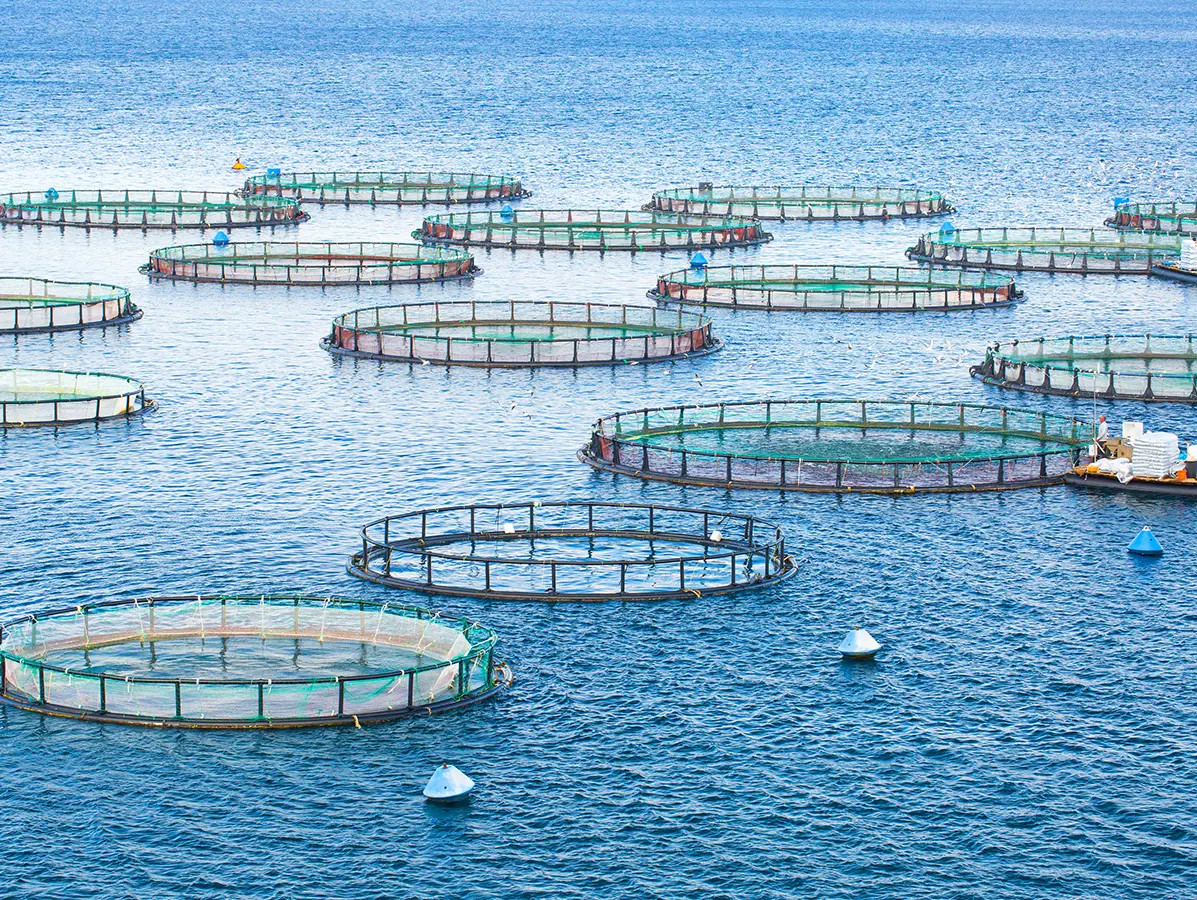
Farmed salmon production takes place in a large-scale and intensive system. High stocking densities contribute to efficiency but also bring challenges. According to foodwatch, mortality within this system is a recurring phenomenon.
In Norway, around 100 million farmed salmon died in 2023. Globally, at least 865 million fish died between 2012 and 2022. Treatments for parasites and diseases, such as chemical baths and thermal treatments, also play a role in these losses, according to the report.
Certification schemes such as ASC are used in the supply chain as a reference for responsible production. Foodwatch states that this certification has limitations in practice. Certification takes place at company level and does not always cover the full life cycle of the fish.
In addition, monitoring is carried out through spot checks, and certification bodies depend on licensing revenues. According to the report, this results in not all information, such as incidents and mortality rates per farm, being publicly available.
Source: Foodwatch
Magazine Voedingsindustrie has been made possible in part by:



© COPYRIGHT 2026 VOEDINGSINDUSTRIE | ALLE RECHTEN VOORBEHOUDEN
Powered by Wallbrink Crossmedia © 2026