
Food producers have already been dealing with higher raw material prices in recent months. Now, international food prices are climbing further once again. Vegetable oils in particular are becoming more expensive at a rapid pace, along with grains, rice, and meat. According to the FAO, high energy prices and tensions around the Strait of Hormuz are playing a clear role. In April, the FAO Food Price Index reached 130.7 points. That was 1.6 percent higher than a month earlier.
The vegetable oil market in particular drew attention. The corresponding FAO index rose by 5.9 percent, reaching its highest level since July 2022. Palm oil prices increased for the fifth consecutive month. Several factors are driving that trend. Demand from the biofuel sector continues to grow, while higher oil prices are reinforcing that development. At the same time, concerns are mounting over lower production volumes in Southeast Asia later this year.
Soybean, sunflower, and rapeseed oil prices also increased. “Vegetable oils are currently seeing the strongest price increases. This is mainly due to higher oil prices, which are boosting demand for biofuels and creating additional pressure on the vegetable oil market,” said FAO Chief Economist Máximo Torero.
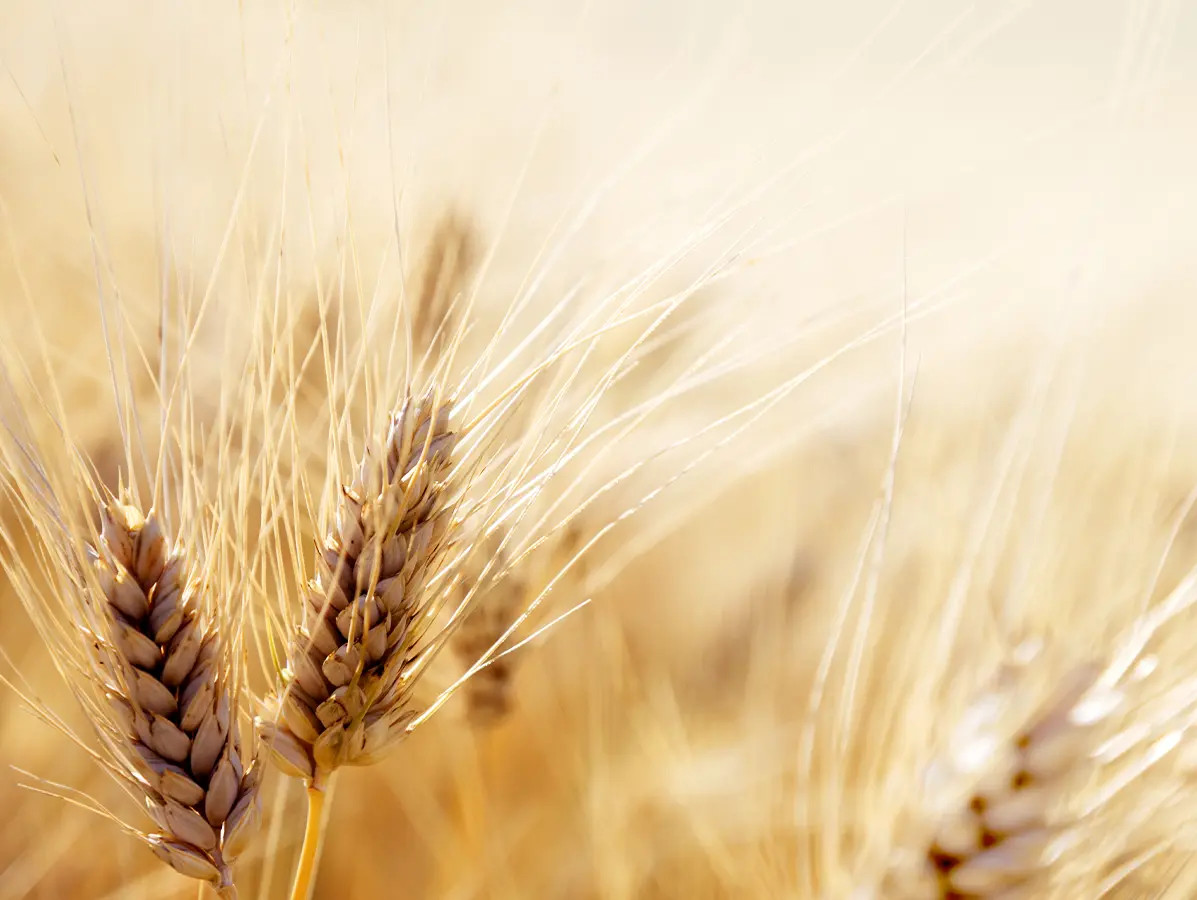
It was not only oils that became more expensive. The FAO Cereal Price Index rose by 0.8 percent in April. Wheat prices in particular moved higher. Drought conditions in parts of the United States are contributing to that trend. Less rainfall is also expected in Australia.
In addition, disruptions caused by the crisis around the Strait of Hormuz are driving up energy and fertilizer prices. That is increasing costs across the agricultural sector. Corn and rice prices also rose worldwide. In the rice market, higher production and distribution costs are playing a major role following the increase in oil prices.
The FAO Meat Price Index reached another record high in April. Beef prices increased due to limited supplies of slaughter-ready cattle in Brazil. Pork prices also moved higher.
Dairy prices, on the other hand, edged down slightly. Butter and cheese in particular became cheaper due to ample milk supplies in Europe and Oceania. Sugar prices also declined. According to the FAO, that is due to favorable prospects for global sugar production.
Source: FAO
Magazine Voedingsindustrie has been made possible in part by:



© COPYRIGHT 2026 VOEDINGSINDUSTRIE | ALLE RECHTEN VOORBEHOUDEN
Powered by Wallbrink Crossmedia © 2026





