
Dutch supermarkets are still taking too few measures to ensure fair payment for farmers and workers. This is evident from the latest edition of Superlijst Sociaal. Although risks such as underpayment and child labor are well known, a broad approach remains absent. Action is mainly limited to supply chains such as cocoa and bananas.
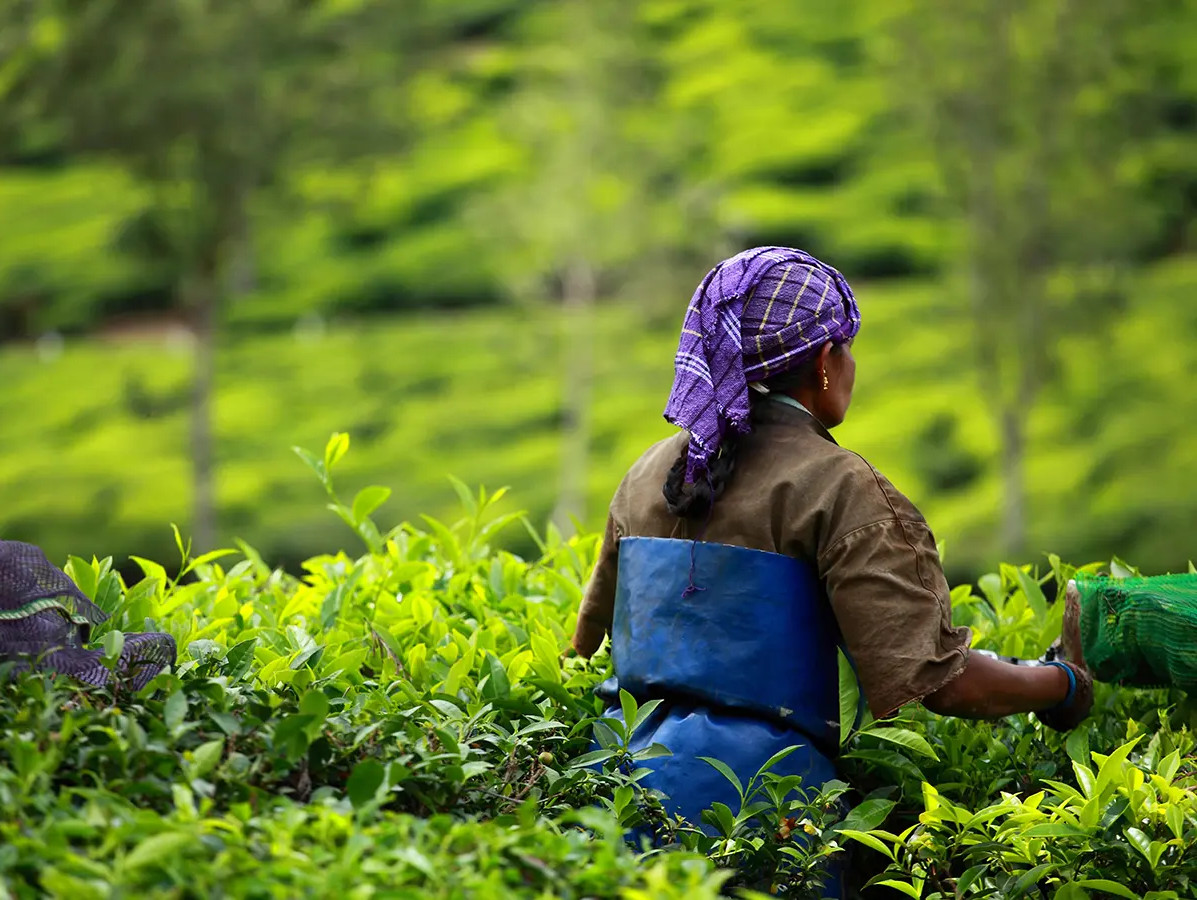
According to the research, underpayment is a structural problem in many high-risk supply chains. It is a key driver of poverty, child labor, and forced labor. Supermarkets are taking steps for cocoa farmers and banana workers, but progress largely stops there.
Albert Heijn, Jumbo, Dirk, and Plus commit to a living income for cocoa farmers in their private label products. Lidl applies this to part of its assortment, while Aldi has not yet made any commitment. All six supermarkets are taking action toward living wages for banana workers. In other supply chains, however, action remains limited.
Gustaaf Haan of Questionmark states: “Supermarkets share responsibility for safeguarding human rights, including fair payment for farmers and workers, across all products on their shelves.”
Supermarkets are increasingly mapping where risks occur. Transparency is improving, but this is only translating into concrete measures to a limited extent. Lidl ranks highest in the benchmark, partly due to action plans in high-risk supply chains. At the same time, the report concludes that the overall efforts of all assessed supermarkets remain insufficient.
Heske Verburg of Solidaridad comments: “Supermarkets know where the risks are; it is time for action!”
Progress on women’s rights remains limited. No supermarket is structurally addressing the gender pay gap. Only Lidl has plans to prevent violence against women and to reduce the pay gap.
Eline Achterberg of Oxfam Novib states: “Underpayment is not an incident, but a business model. Supermarkets put profit above everything else.”
Source: The Questionmark
Magazine Voedingsindustrie has been made possible in part by:



© COPYRIGHT 2026 VOEDINGSINDUSTRIE | ALLE RECHTEN VOORBEHOUDEN
Powered by Wallbrink Crossmedia © 2026