
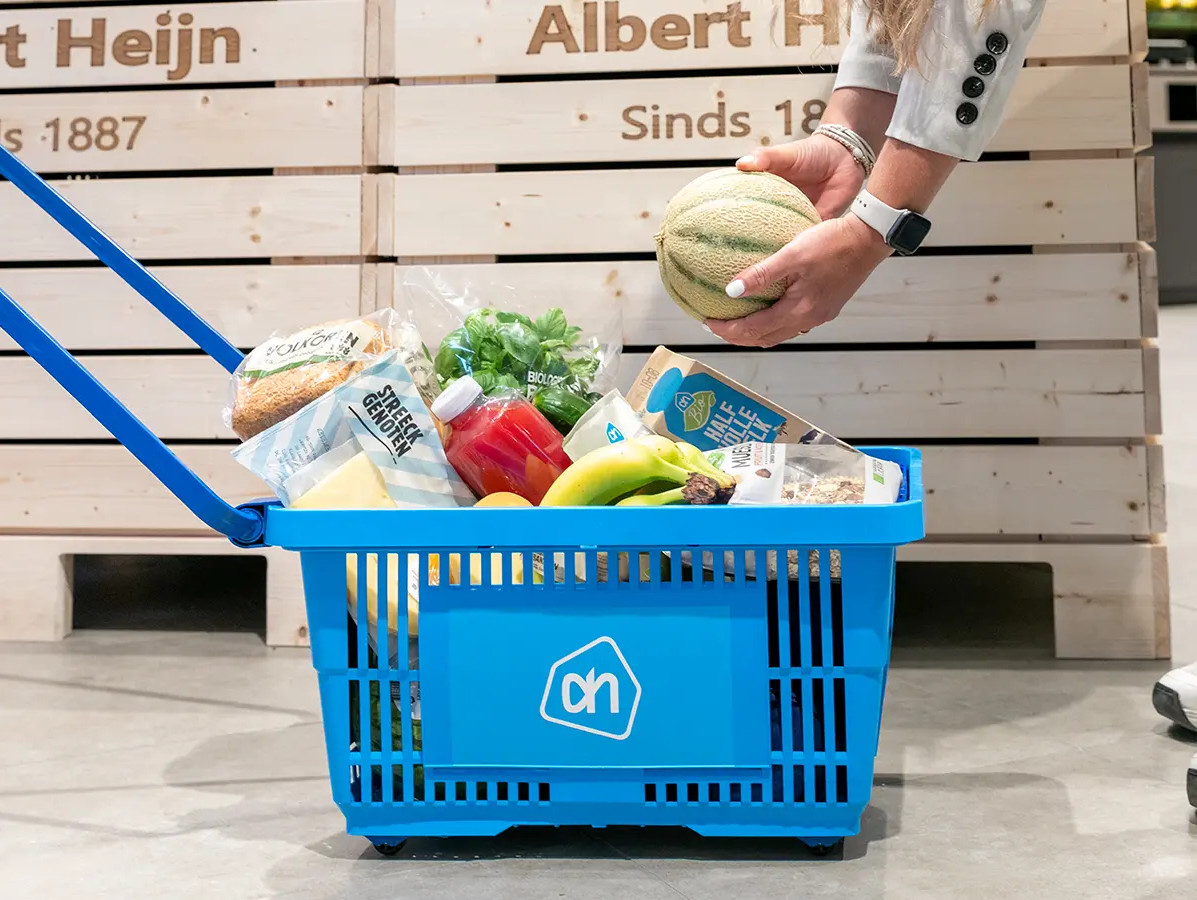
Albert Heijn relies heavily on bulk promotions and is therefore under scrutiny. The Dutch Consumers Organisation is urging the supermarket chain to scale back these offers, starting with unhealthy products. The debate gains additional weight as the topic will be discussed in the House of Representatives on April 15, 2026.
The Consumers Organisation examined the promotional policies of eight supermarket chains over an eight-week period. In total, 44,000 promotions were analyzed. Of these, 57% were bulk promotions, requiring consumers to purchase multiple items to receive a discount.
Albert Heijn had by far the highest number of these offers, averaging over 1,000 per week. Jumbo, Plus and Poiesz follow with an average of more than 500 bulk promotions per week. Dekamarkt, Hoogvliet and Vomar also use these promotions, but on a smaller scale. At Aldi, Dirk and Lidl, consumers do not need to buy multiple products to get a discount.
According to the Consumers Organisation, bulk promotions may appear attractive, but often have an upward effect on prices. The regular price is frequently set higher to offset the discounts. This puts single-person households and consumers with limited budgets or storage space at a disadvantage.
In addition, these promotions encourage consumers to buy more than planned. Research shows that consumers purchase up to 27% more than intended as a result. According to the Consumers Organisation, this contributes to food waste and overconsumption.
The Consumers Organisation believes that Albert Heijn, as market leader, should take the lead. Sandra Molenaar, director of the Consumers Organisation, states: ‘We believe that Albert Heijn, as market leader, must take its social responsibility. The supermarket promises to make better food accessible to everyone. But at the same time, it offers over 1,000 incentives per week on average to encourage customers to stock up. And often these are also unhealthy products.’
She calls on Albert Heijn to reduce bulk promotions, starting with unhealthy offers.
Source: Consumentenbond
Magazine Voedingsindustrie has been made possible in part by:



© COPYRIGHT 2026 VOEDINGSINDUSTRIE | ALLE RECHTEN VOORBEHOUDEN
Powered by Wallbrink Crossmedia © 2026