
European imports of organic agri-food products increased sharply in 2025. The volume rose by 12.8 percent to 2.98 million tons. This brought imports to their highest level since 2018. The Netherlands remains the leading destination within the European Union. The country accounts for 36 percent of the total import volume.
Dutch import volumes increased by 14 percent in 2025. Germany ranks second, with growth of 11 percent. Italy recorded a 26 percent increase and overtook Belgium.
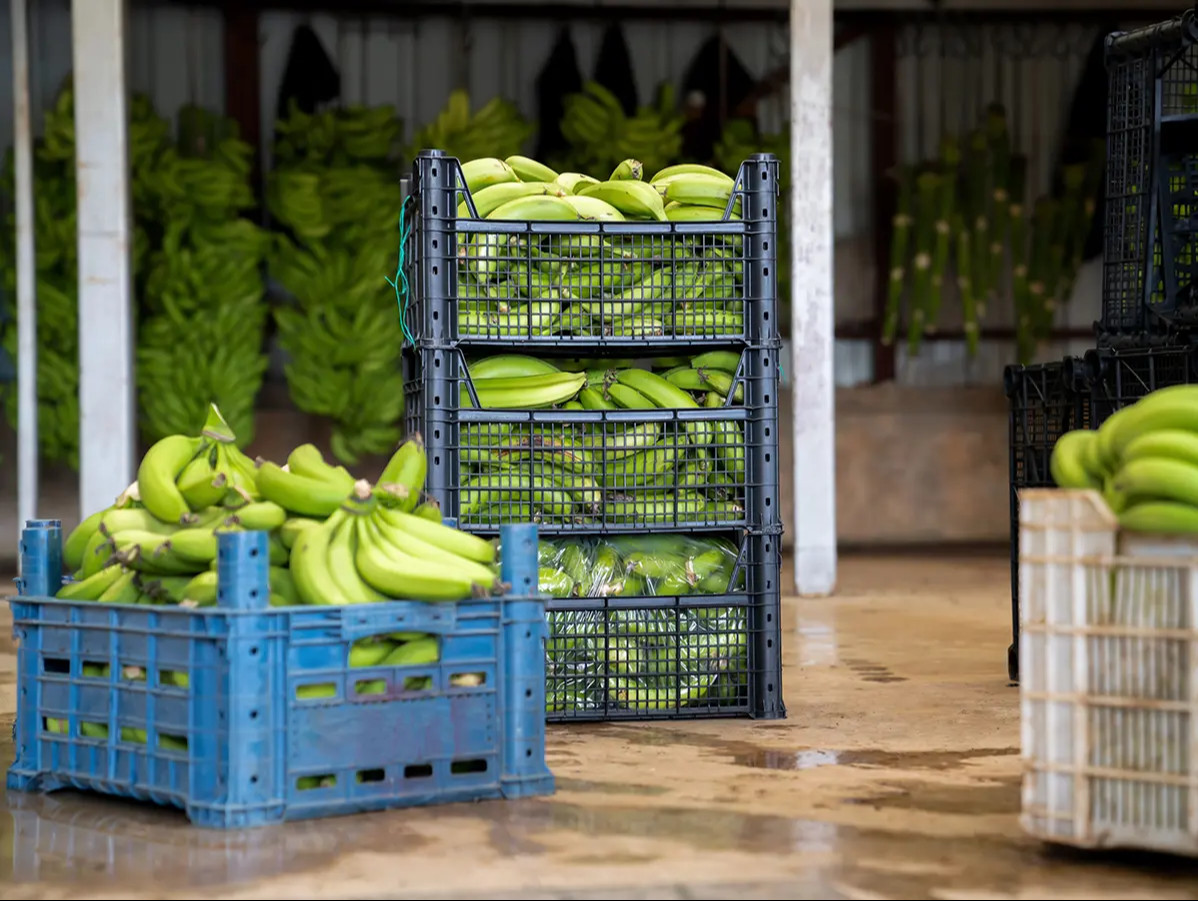
Ecuador remained the leading country of origin for organic products. Imports from the country increased by 10 percent. Higher volumes of organic bananas were the main driver of this growth.
China ranks second among countries of origin. Imports of Chinese soybean meal increased by 35 percent. Imports from Peru also rose by 16 percent. Coffee, tropical fruit and lemons accounted for much of that growth.
Fruit, vegetables and olive oil together formed the largest product category. This category represented 45.5 percent of the total volume. Imports increased by 8.8 percent to 1.35 million tons.
Arable crops and other plant-based products accounted for 39.3 percent. Imports in this category rose by 15.5 percent to 1.17 million tons. Growth included cereals and protein crops, among other products.
Imports of soybean meal increased by 39.4 percent. Wheat imports rose by 37.1 percent. Imports of other vegetable oils and fats increased by 19.2 percent.
Imports of coffee, tea, cocoa and spices increased by 25.5 percent. The total volume reached 287,000 tons. Coffee and cocoa beans were the main contributors to this increase.
Organic wine, beverages and food products increased by 13 percent. Imports reached 77,000 tons. Composite food products and ingredients rose by 18.2 percent. Imports of organic wine, by contrast, declined by 8.4 percent.
Products of animal origin remained relatively stable. The volume declined by 1.6 percent to 25,000 tons.
Source: Vilt
Magazine Voedingsindustrie has been made possible in part by:



© COPYRIGHT 2026 VOEDINGSINDUSTRIE | ALLE RECHTEN VOORBEHOUDEN
Powered by Wallbrink Crossmedia © 2026