
A fungus affecting oranges. Insects capable of wiping out entire harvests. And dozens more threats to Europe’s food chain. The European Food Safety Authority (EFSA) recently completed a major study on 47 so-called quarantine pests, organisms that can cause significant damage if they become established within the EU.
Since 2022, a group of 130 experts has been working on the assessment. Not just ticking boxes, but a deep scientific dive. Which pests spread rapidly? What happens to crop yields if they hit? And how severe is the environmental impact?
The study included both pests already on the EU priority list (20 in total) and new candidates. Each one was thoroughly assessed. The findings, over 220 estimates of spread rate and yield loss, along with 150 environmental impact scores, were passed on to the European Commission’s Joint Research Centre. There, a dedicated model processes the data to calculate the risks.
Being listed as a ‘priority pest’ triggers immediate EU-level measures. That includes mandatory annual surveys, emergency plans, eradication strategies, simulation exercises, and public awareness campaigns. According to Sybren Vos, Head of EFSA’s Plant Health Monitoring Team, this research improves Europe’s readiness: “It is a significant step towards protecting Europe’s biodiversity, agriculture and forestry.”
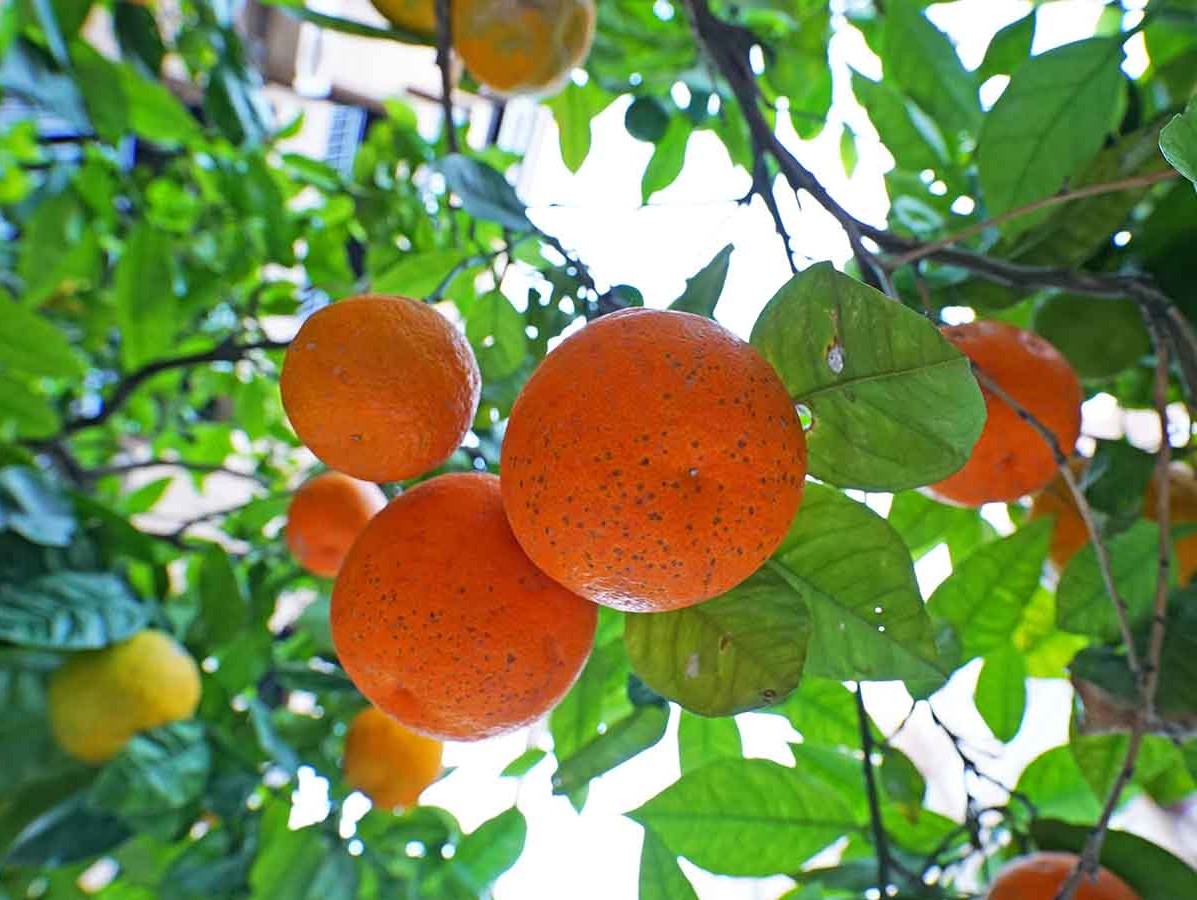
One of the pests under review was Phyllosticta citricarpa, known for causing hard black spots on sweet oranges. It lowers both yield and quality. The EU’s list of priority pests was first adopted in 2019. With this new research, a substantial update is now on the way.
Source: EFSA
Magazine Voedingsindustrie has been made possible in part by:



© COPYRIGHT 2026 VOEDINGSINDUSTRIE | ALLE RECHTEN VOORBEHOUDEN
Powered by Wallbrink Crossmedia © 2026