
Anyone who invested in greenhouses over the past years has reaped more than just vegetables. The Dutch glasshouse vegetable sector is running at full speed, delivering impressive numbers. On average, growers earn three times as much as their peers in other agricultural sectors. That’s quite something, especially considering where the sector once stood.
It wasn’t that long ago the sector was in serious trouble. The year? 2011. Prices under pressure, foreign competition on the rise, and a fragmented sales market. The result? Half of the growers couldn’t meet their financial obligations, and 65 percent were in poor financial shape.
The sector decided to act and brought in McKinsey for advice. Their analysis was clear: “Continue druk op prijzen en marges, gebrek aan samenwerking en efficiëntie in de keten, toenemende internationale concurrentiedruk in een verzadigde markt, hoge uitwisselbaarheid van anonieme producten en een onderontwikkelde marktpositie.”
One of the key recommendations was to join forces. And they did. The Federatie Vruchtgroenten Organisatie was established, and the course shifted.
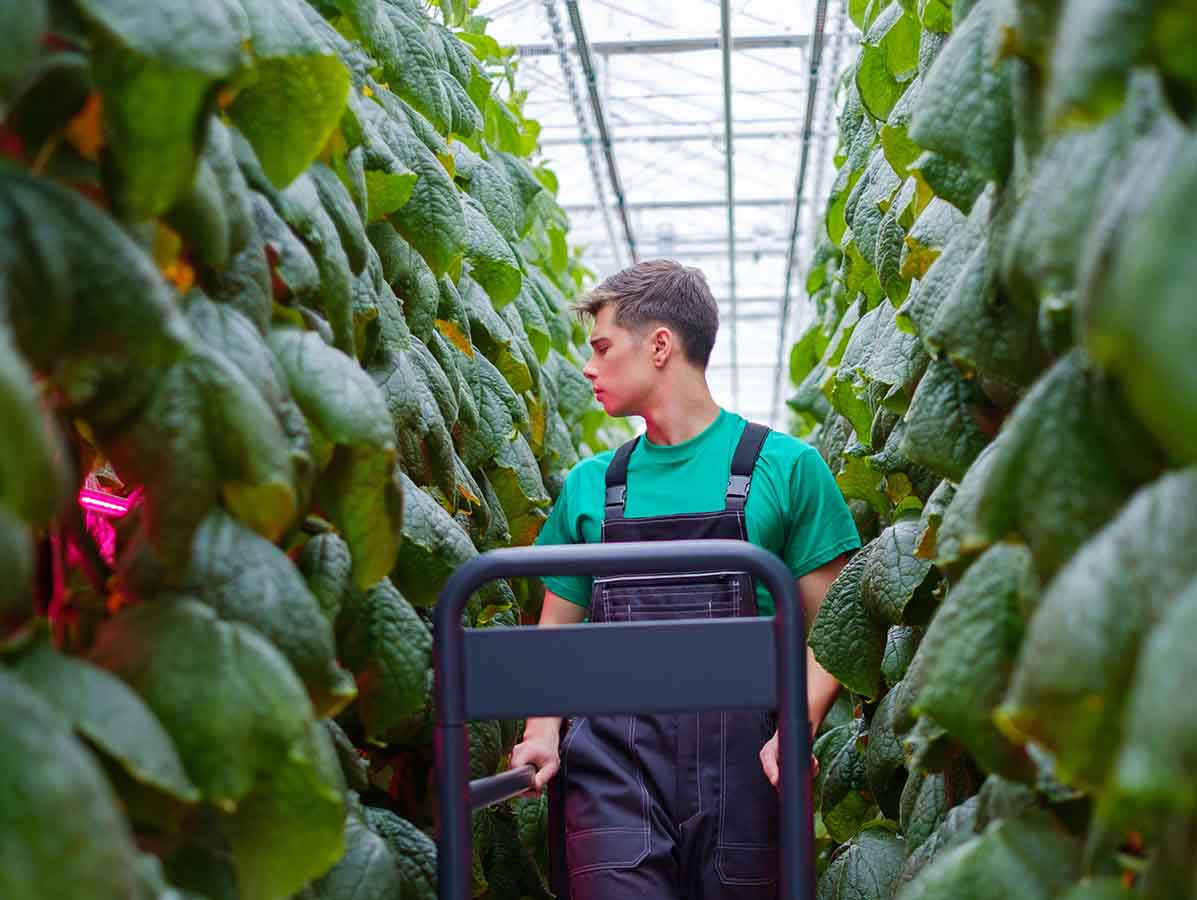
Things moved quickly from there. Tomatoes, bell peppers, cucumbers and eggplants got a technological boost. LED lighting, geothermal heat, soilless cultivation... The greenhouse became a smart production system.
Today, the Netherlands is on par with Canada. Both countries produce more than twice as many kilos per square meter as Mexico, the number three. And that success isn’t just about innovation. Collaboration across the supply chain plays a major role too: growers, greenhouse builders, breeders, data specialists, they all contribute.
Since 2014, the benefits of these changes have clearly paid off financially. And how. For ten consecutive years, the average income of Dutch glasshouse vegetable growers has been three times higher than the agricultural average.
Why does this ecosystem perform so well? That question is addressed in the report Nederlandse glasgroentesector: De kas als kracht. A follow-up is promised, with a look at what other sectors might take from it.
Source: ABN AMRO
Magazine Voedingsindustrie has been made possible in part by:



© COPYRIGHT 2026 VOEDINGSINDUSTRIE | ALLE RECHTEN VOORBEHOUDEN
Powered by Wallbrink Crossmedia © 2026