
The European Commission is once again introducing changes to the EU Deforestation Regulation (EUDR). Just months after Brussels postponed the implementation of the law until the end of 2026, new simplifications and additional guidance for companies are now being introduced. At the end of November 2025, it had already been decided to delay the rollout of the EUDR by one year. Large companies must now comply with the rules starting December 30, 2026. For other micro and small enterprises, the regulation will take effect on June 30, 2027.
With the new package, the Commission aims to further simplify implementation. According to Brussels, annual compliance costs for companies could be around 75 percent lower than under the original EUDR framework. To support this, the Commission published a simplification report, updated guidelines, and additional frequently asked questions. The information system will also be adjusted.
A simplified declaration form will be introduced for micro and small primary operators. In addition, Brussels is working on improvements for automatic data exchange and a voluntary group function within the system. The Commission also wants to make more data from national databases directly available through the platform.
The draft delegated act also includes changes to the EUDR product descriptions. Among other things, instant coffee and certain palm oil derivatives are being added to the scope of the regulation.
At the same time, the Commission is proposing several exemptions. These include used products, waste, certain packaging materials, leather, and retreaded tires. Stakeholders can respond to the proposal until June 1, 2026.
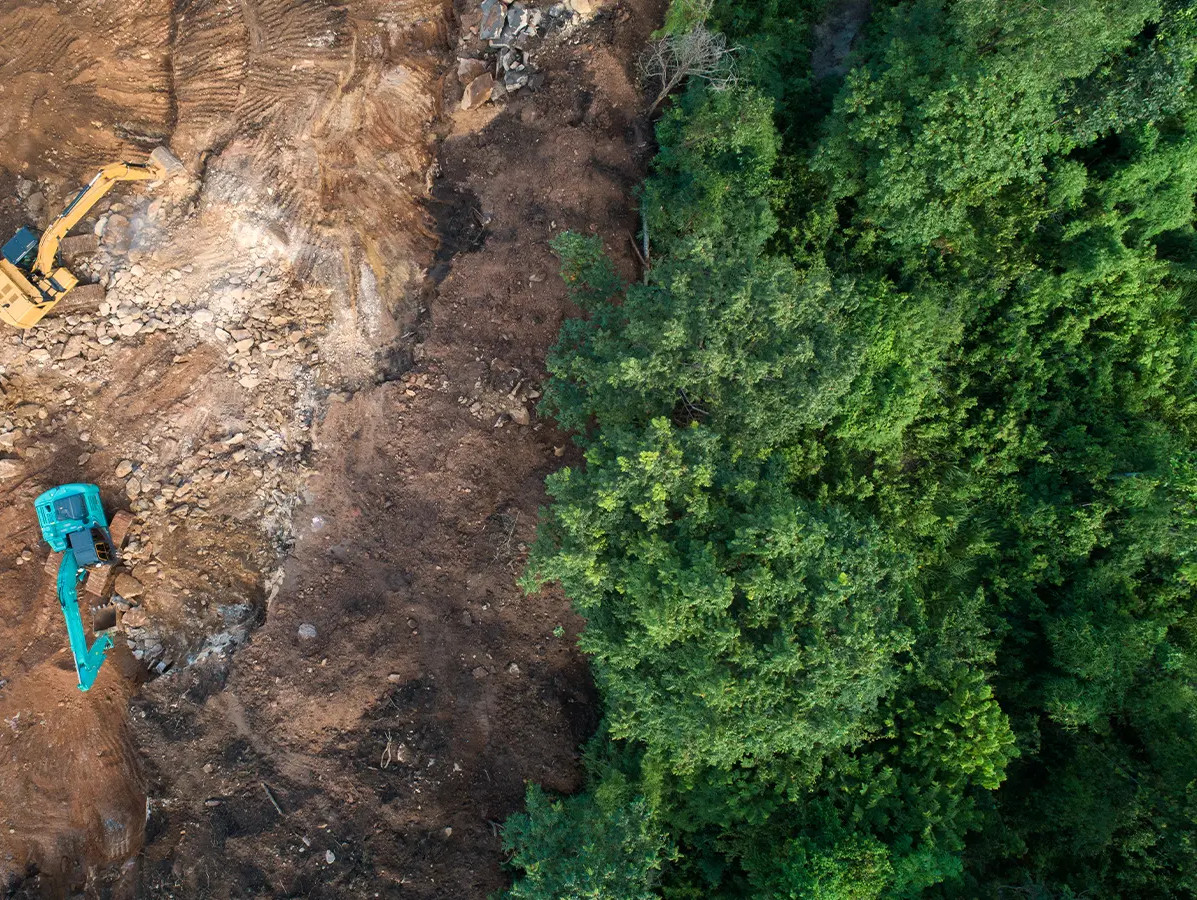
The EUDR is intended to prevent products placed on the European market from contributing to deforestation or forest degradation. The rules apply to cattle, wood, cocoa, soy, palm oil, coffee, rubber, and products derived from them.
Companies placing these products on the EU market or exporting them must be able to demonstrate that they do not originate from recently deforested land.
Source: Europese Commissie
Magazine Voedingsindustrie has been made possible in part by:



© COPYRIGHT 2026 VOEDINGSINDUSTRIE | ALLE RECHTEN VOORBEHOUDEN
Powered by Wallbrink Crossmedia © 2026