
The outlook for the Dutch agricultural sector varies. This is evident from the latest Stand van de Agrarische sector by ABN AMRO. Some sectors benefit from high prices. Others are seeing their revenues decline. Rising tension in the energy market also plays a significant role. Sectors with high energy costs, in particular, are watching developments closely.
For dairy farmers, pig farmers and arable farmers, the outlook is less favorable. Prices for milk, pork, potatoes and sugar beets have declined. This has a direct impact on revenues. According to ABN AMRO, a full recovery is not expected in the short term. The bank does not anticipate a clear turnaround in these markets over the next six months. At the same time, spring costs are approaching. These put additional pressure on companies’ liquidity.
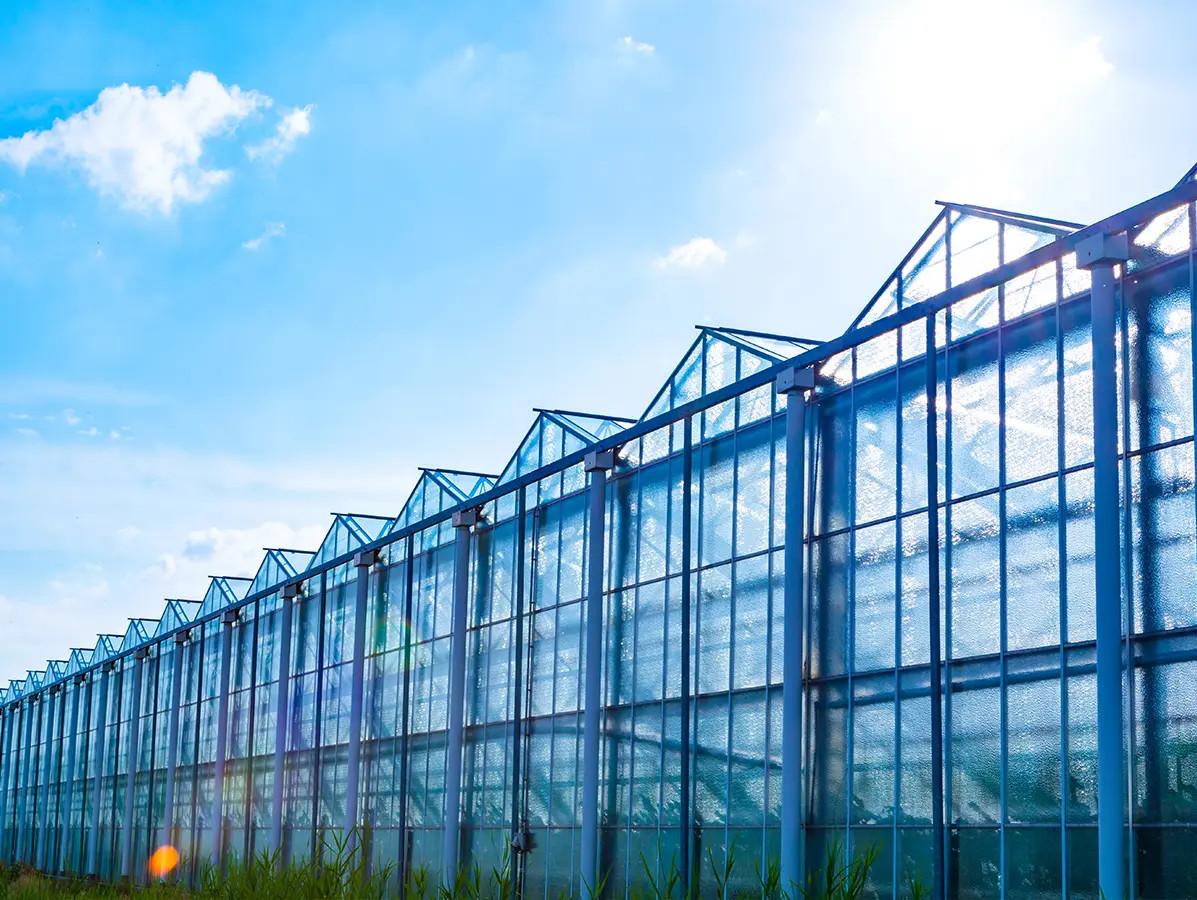
In other sectors, the situation looks different. Veal producers and poultry farmers have been benefiting from tight market conditions for some time. In 2025, their revenues were clearly above the long-term average. That situation is expected to continue for now. Although the price of veal appears to have reached its peak. Prices in greenhouse horticulture are also positive. Extreme weather in Southern Europe caused crop failures in several vegetables. As a result, vegetable prices are higher. Dutch greenhouse vegetable growers are benefiting from this.
Meanwhile, the energy market appears to be moving again. The war in the Middle East is playing a role in this. Production facilities are being damaged and shipping routes are under pressure. The Strait of Hormuz is particularly important. Around a quarter of global seaborne oil trade passes through this route. For LNG, it accounts for roughly one fifth of global trade. Oil and gas prices have started to rise again. Even so, they remain well below the levels seen during the energy crisis in 2022.
For greenhouse horticulture, energy remains a major factor. This sector accounts for around 78 percent of all energy use within agriculture and horticulture. For many companies, energy represents 15 to 25 percent of total costs. At the same time, much has changed in recent years. Companies have invested in energy savings and alternative energy sources. Since 2021, fossil energy consumption has declined by about 20 percent.
For fishermen, every liter of fuel counts. On average, fuel represents around 20 percent of costs. During the 2022 energy crisis, this rose to about 25 percent. Many fishermen buy fuel on the spot market. When prices rise, the impact is immediately visible in financial results. Fuel consumption varies widely by vessel type. Beam trawlers can use up to about 22,000 liters of fuel per week. Twin-rig vessels consume around 15,000 liters. Shrimp vessels use roughly 3,000 liters.
The sector has also faced a difficult period. Brexit, the loss of foodservice demand during Covid, and the 2022 energy crisis have all left their mark. Financial reserves have become thinner. Investments have been postponed. As a result, some fishermen are particularly vulnerable if fuel prices rise sharply again for an extended period. This can affect results quickly, especially for older beam trawlers.
Source: ABN AMRO
Magazine Voedingsindustrie has been made possible in part by:



© COPYRIGHT 2026 VOEDINGSINDUSTRIE | ALLE RECHTEN VOORBEHOUDEN
Powered by Wallbrink Crossmedia © 2026





