
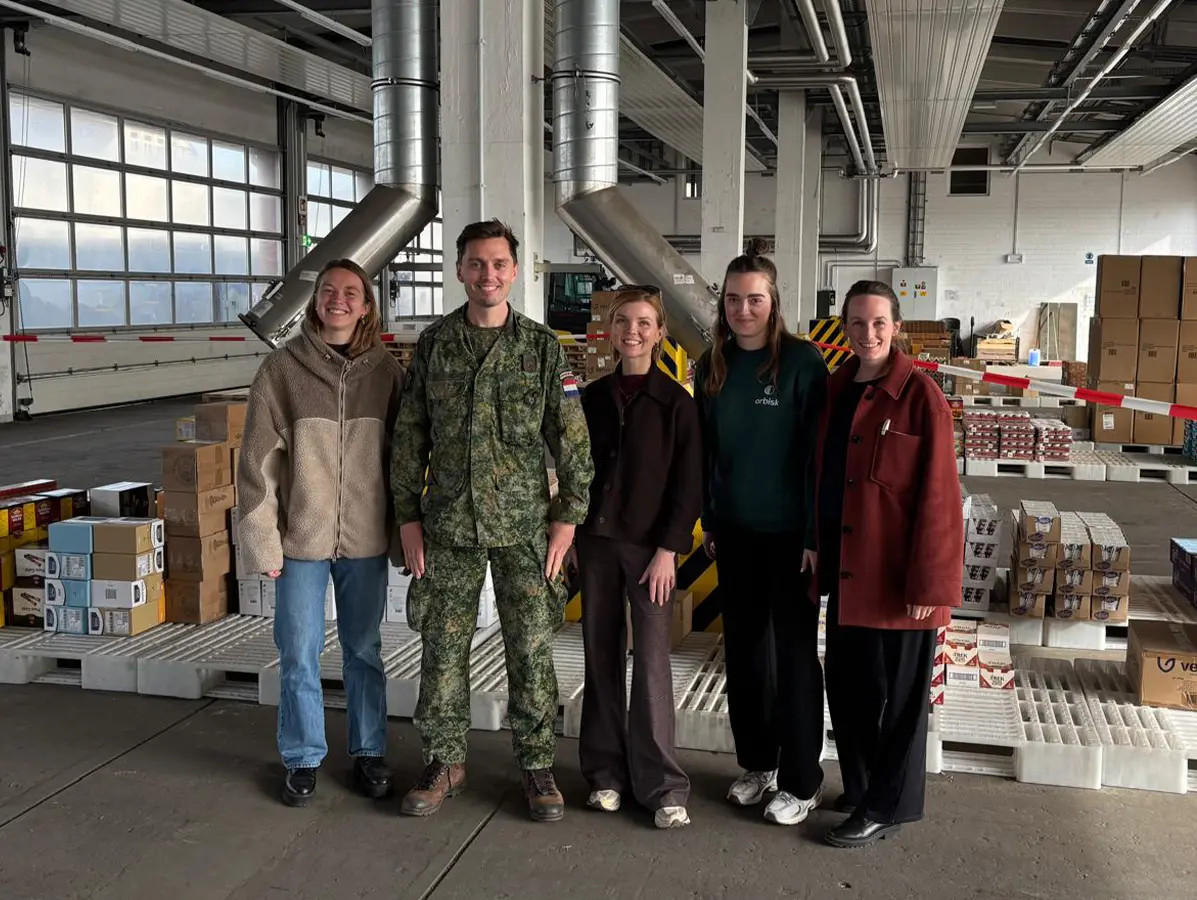
During large-scale field exercises abroad, the Dutch military provides thousands of soldiers with meals every day. Proper nutrition is crucial for deployability and endurance. At the same time, part of the food remains unused. The Dutch military aims to reduce this waste and is working on a targeted approach.
The Dutch military’s operational catering is complex to organize. Long request lead times result in inaccurate estimates of the number of soldiers. As a result, too much food is regularly prepared. Packaging sizes also play a role. These lead to accumulating surpluses at the end user.
Preliminary research shows that waste occurs in breakfast and lunch items, hot meals from mobile kitchens, and long-life combat rations. In practice, it has been confirmed that multiple links in the chain are involved, but cannot solve the problem on their own.
“Reducing food waste within operational catering is essential for the efficient use of resources, strengthens the logistics chain, and contributes to operational effectiveness,” says Lion van Egmond, officer in the Koninklijke Landmacht. “Finally, reducing food waste is also a way for the Dutch military to contribute in the context of sustainability.”
The Dutch military works together with various parties, including Samen Tegen Voedselverspilling and Orbisk. The latter measures what ends up in the waste bin and collects data on waste during exercises.
“The collaboration with the Dutch military and the visit to the Schietoefening Bergen have opened my eyes to the impact of food in an organization of this scale,” says Anneloes Hodes.
The Dutch military and Samen Tegen Voedselverspilling are working on an action agenda. This should lead to concrete improvement measures and a plan for implementation. In addition, the Dutch military is taking steps in sustainability, such as using more Beter Leven meat products.
Source: Samen Tegen Voedselverspilling
Magazine Voedingsindustrie has been made possible in part by:



© COPYRIGHT 2026 VOEDINGSINDUSTRIE | ALLE RECHTEN VOORBEHOUDEN
Powered by Wallbrink Crossmedia © 2026