
The European Commission aims to ensure a smoother implementation of the EU Deforestation Regulation (EUDR). The reports suggesting a delay were partly right: small businesses are getting more time, but for large and medium-sized companies, 30 December 2025 remains the deadline.
The Commission wants to ease reporting obligations, particularly for micro and small businesses in low-risk countries. They will only need to submit a single, simplified statement to the EUDR’s IT system. If that information is already available in a national database, no further action will be required.
Paperwork within the EU will also be reduced. Traders and processors will no longer have to submit separate due diligence statements. One declaration at the point of entry to the EU market will be enough for the entire supply chain. For example, the importer of cocoa beans must file the declaration, but chocolate manufacturers won’t need to do so again.
The deforestation law will not be postponed for large and medium-sized companies. They must comply by 30 December 2025 but will have a six-month grace period for checks and enforcement. For micro and small businesses, the start date shifts to 30 December 2026.
This delay is meant to allow a smoother transition. The IT system supporting the law has proven more heavily loaded than expected, and the new approach should make it more resilient to the large volume of anticipated reports. Less paperwork and more time should help keep the law workable for every link in the chain — from farmer to producer.
The proposal now goes to the European Parliament and the Council, which must formally approve it before the changes can take effect. The Commission is urging swift adoption, ideally before the end of 2025.
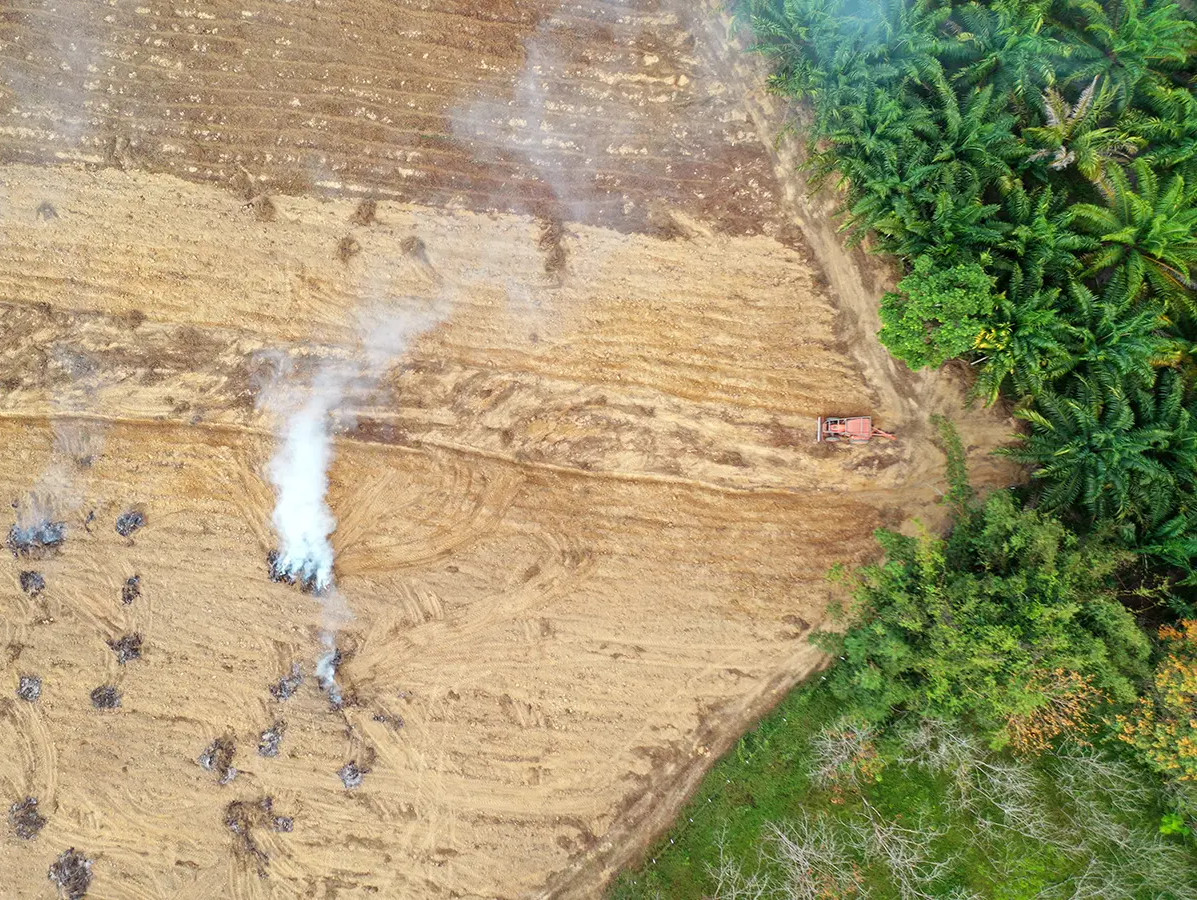
The EUDR is designed to ensure that products sold in the EU no longer contribute to deforestation or forest degradation. Between 1990 and 2020, 420 million hectares of forest disappeared worldwide — more than the total area of the European Union.
Source: Europese Commissie
Magazine Voedingsindustrie has been made possible in part by:



© COPYRIGHT 2026 VOEDINGSINDUSTRIE | ALLE RECHTEN VOORBEHOUDEN
Powered by Wallbrink Crossmedia © 2026