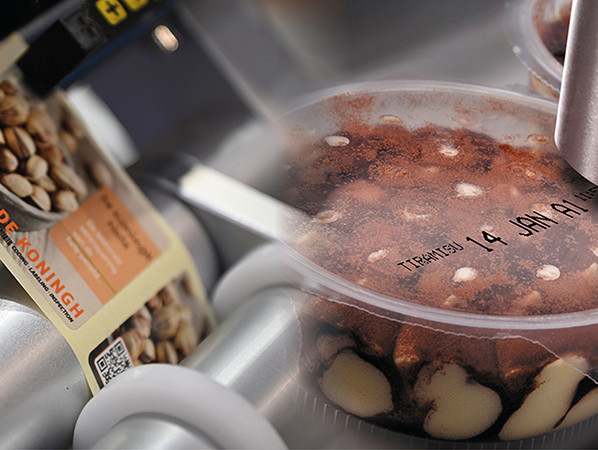
Labelling is no longer just an operational step at the end of the packaging line. With tightening regulations, growing sustainability demands and increasing digitalisation, it’s becoming a strategic part of the production process. De Koningh Coding | Labeling | Inspection experiences this shift every day in practice.
Sustainability is developing along two parallel tracks. On one hand, it’s about more efficient machines and systems that help reduce energy and material consumption. “We ask customers whether their systems are future-ready. In many cases, replacement or optimisation is the logical next step,” says Wim Kromhout, Product Manager Labeling & Inspection.
On the other hand, there’s growing attention for sustainable materials, such as biodegradable paper, recycled paper and plastic, PLA labels and washable labels. These last ones directly support circular ambitions. Ink usage is also closely monitored; excess ink is collected and reused, according to Ludwig Loxley, Product Manager Coding.
The European Packaging and Packaging Waste Regulation (PPWR) has a significant impact on labelling and coding systems. Variable product information such as QR or data matrix codes is increasingly added, with details on origin, sustainability or traceability. At the same time, packaging is becoming thinner and less rigid, placing new demands on labelling and inspection systems. “Inspection systems are essential to check whether labels are correctly applied and the packaging remains intact,” Wim explains.
AI is playing an increasingly important role in product identification and visual inspection. Data from printers and smart cameras helps detect trends, spot irregularities and predict maintenance needs. “AI models learn from deviations and adapt to new conditions,” says Wim. “At the same time, human oversight remains crucial, especially when it comes to sensitive information.” That’s why De Koningh uses a single, centralised and controlled data source.
Labelling now influences much more than just the appearance of a product. It shapes brand experience, ensures regulatory compliance, supports sustainability goals and builds consumer trust. With AI, digital interfaces such as QR codes and the shift toward flexible packaging, labelling is becoming a strategic part of production. “Whereas labelling used to be seen mainly as a cost, it now creates value and helps you prepare for Industry 4.0 – and the transition toward Industry 5.0,” Wim concludes.
Source: De Koningh Coding | Labeling | Inspection
Magazine Voedingsindustrie has been made possible in part by:


© COPYRIGHT 2026 VOEDINGSINDUSTRIE | ALLE RECHTEN VOORBEHOUDEN
Powered by Wallbrink Crossmedia © 2026