
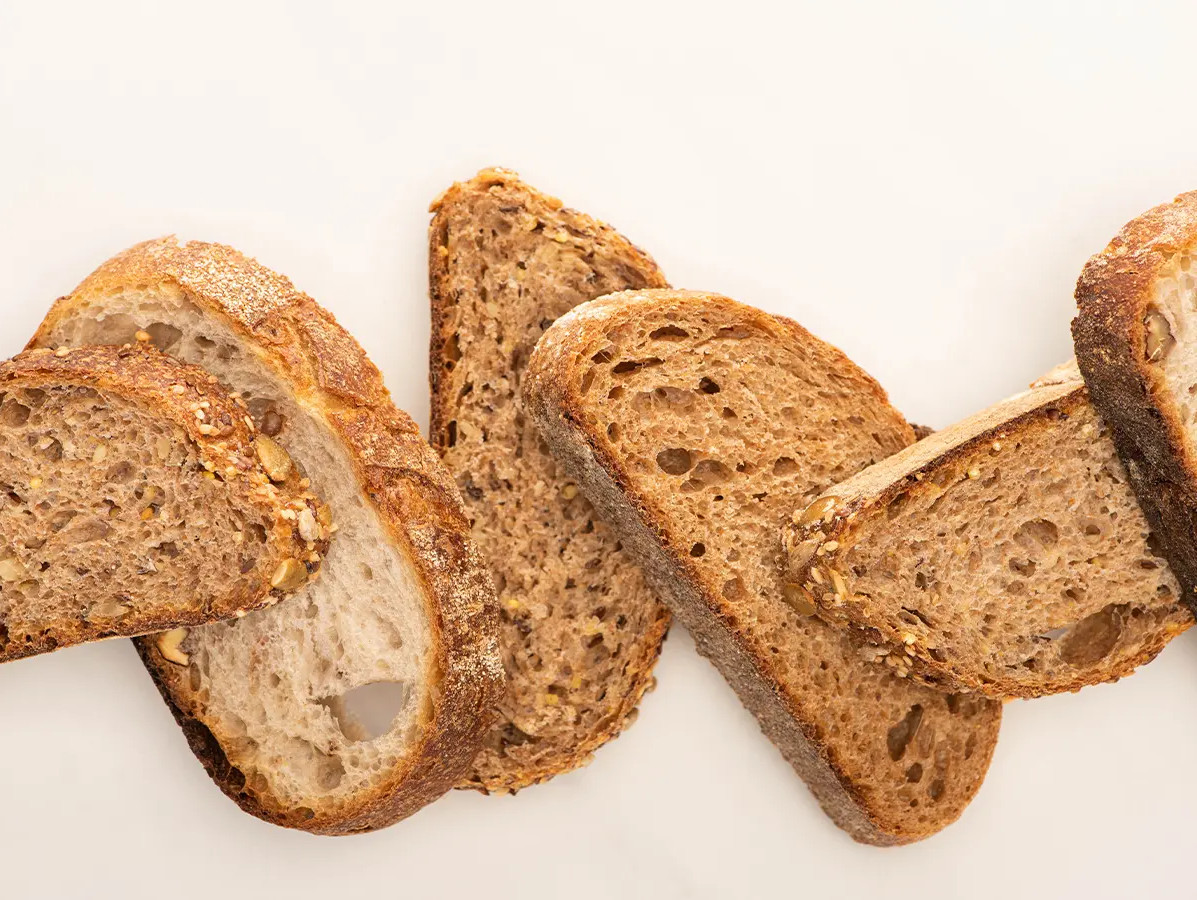
More and more consumers recognize bread as a source of plant-based protein. This is according to consumer research conducted by Profacts in March 2026 on behalf of the Nederlands Bakkerij Centrum (NBC). At the same time, bread remains the leading source of dietary fiber for many Dutch consumers. However, whole grain consumption continues to fall short of recommended intake levels.
The share of consumers who view bread as a source of plant-based protein has risen from 17% to 30% in just one year. While bread is not yet among the products most commonly associated with protein, eggs, yogurt, and meat are mentioned more often. According to the study, however, bread shows the strongest increase of all protein sources examined.
“This growth aligns with the broader protein trend as well as the targeted communication campaigns carried out by the bakery sector in recent years,” said Jenneke van Elderen of NBC. “Through videos such as Sterk Verhaal and protein comparison content on social media, we have linked bread to protein in a clear and accessible way. With results.”
Bread, and whole grain bread in particular, continues to be the primary source of dietary fiber for consumers. In the study, 83% of consumers identified bread as their main source of fiber. Oatmeal followed at 72%. Legumes and nuts were cited by 54% and 52% of consumers, respectively.
Actual consumption of whole grain products, however, remains below recommendations. Data from the Dutch Food Consumption Survey 2019–2021 show that only 54% of adults meet the recommended daily intake of at least 90 grams of brown and whole grain bread and grain products.
Among all Dutch consumers, 78% say that bread provides important nutrients. Among consumers aged 18 to 34, that figure is 67%. Recognition of bread as a protein source is also lower within this group. Among young adults, 22% identify bread as a protein source, compared with 39% of consumers aged 55 and older.
According to the study, this makes younger consumers an important target group for bakeries, retailers, and food brands. They are highly responsive to trends, but according to NBC they are less aware of the nutritional value of staple products such as bread.
Source: NBC
Magazine Voedingsindustrie has been made possible in part by:



© COPYRIGHT 2026 VOEDINGSINDUSTRIE | ALLE RECHTEN VOORBEHOUDEN
Powered by Wallbrink Crossmedia © 2026